Jazz and Freedom: America’s Sound Weapon
Jazz music serves as a unique form of cultural expression that emphasizes themes of freedom and social ideology. Through its improvisational nature and rich history, jazz musicians address important issues like racial inequality and promote unity across diverse communities. Government-sponsored jazz tours played a significant role in showcasing American values globally while connecting artists worldwide. The legacy of jazz continues to influence various art forms and inspire new generations, highlighting its enduring impact on culture and society.
Jazz music has long been more than just sound; it’s an expression of freedom that resonates through time. But how did jazz become a vehicle for cultural diplomacy and ideological movements? Let’s explore this fascinating journey.
The Birth of Jazz as a Cultural Movement
The birth of jazz as a cultural movement transformed music and society in America. It began in the early 20th century, especially in New Orleans. Jazz combines elements from African rhythms, blues, and ragtime. This unique mix created a new sound that appealed to many.
Roots of Jazz
Jazz has deep roots in African American history. It expressed feelings of struggle, hope, and freedom. Musicians often improvised, bringing personal stories and emotions to their performances. This spontaneity made jazz very exciting.
Influence of the Community
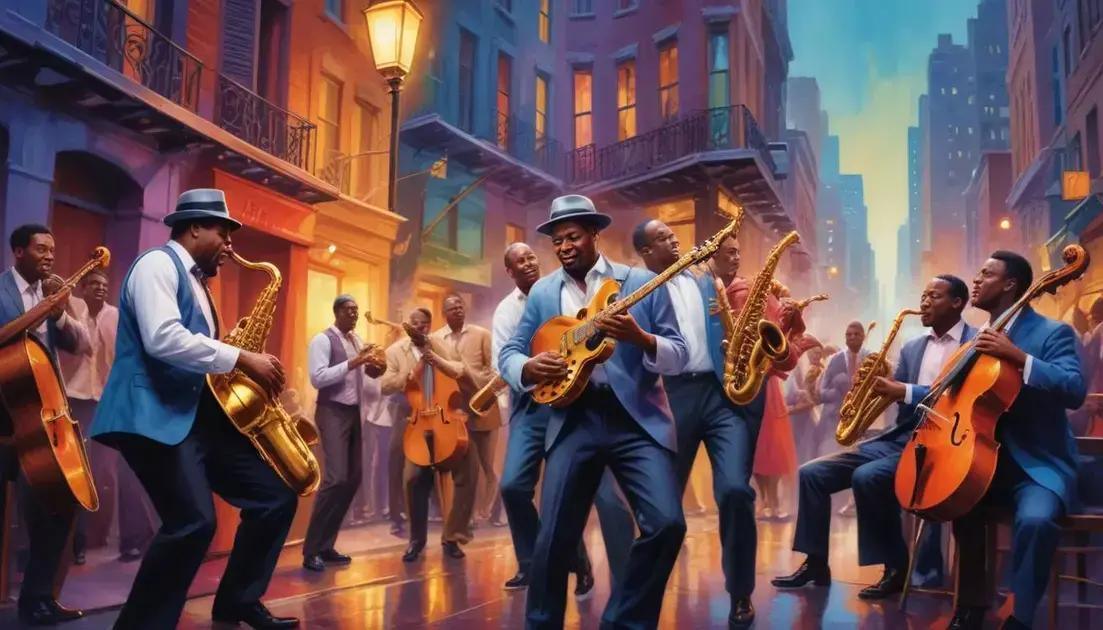
The community played a huge role in jazz’s growth. Local clubs and street performances allowed musicians to showcase their talents. These gatherings brought people together, regardless of background. Jazz helped break down racial barriers and connect people from different walks of life.
Jazz and Other Art Forms
Jazz influenced many other art forms too. Painters, writers, and dancers were inspired by its rhythms and spirit. The movement also impacted fashion and lifestyle, making it a cultural phenomenon. The jazz age took over the 1920s, leading to vibrant parties and a new sense of freedom.
Through music, jazz spread messages of equality and freedom. It became a voice for change, celebrating individuality and creativity. As jazz grew, it inspired generations of musicians, leading to many new styles. Today, jazz continues to thrive, reminding us of its powerful roots and cultural significance.
Jazz Musicians as Cultural Diplomats
Jazz musicians have played a vital role as cultural diplomats. They used their art to bring people together across different cultures. During the Cold War, American jazz artists traveled worldwide. They showcased jazz’s unique sounds and emphasized freedom and creativity.
Jazz as a Diplomatic Tool
Jazz was more than just music; it was a message. It represented American values like freedom, individuality, and innovation. Musicians helped break down cultural barriers. Their performances fostered understanding and connection.
Notable Jazz Artists
Many famous artists became ambassadors of jazz. Louis Armstrong, Duke Ellington, and Miles Davis traveled to countries like France and Russia. They played at major events, sharing their music with new audiences. This helped bridge cultural divides and improved international relations.
Impact on Global Culture
Jazz music influenced artists around the world. It inspired new styles in different countries, blending local sounds with jazz. This cultural exchange enriched both American and global music scenes. Jazz’s improvisational nature, in particular, resonates with many cultures, promoting creativity and artistic freedom.
Jazz musicians not only entertained but also carried important messages. They showcased the power of music to connect people and promote peace. Their legacy continues as new generations of artists embrace jazz, making it a global phenomenon.
Impact of Government-Sponsored Jazz Tours
Government-sponsored jazz tours had a huge impact on music and culture. These tours took talented musicians around the globe. Artists like Dizzy Gillespie and Louis Armstrong played in many countries. They introduced jazz to audiences who had never heard it before.
Promoting American Culture
These tours were more than just concerts. They helped promote American culture during the Cold War. The U.S. wanted to share its values of freedom and creativity with the world. Jazz became a symbol of these ideals.
Building Bridges
The tours built bridges between different cultures. Musicians connected with local artists, sharing ideas and styles. This exchange enriched both American jazz and local music scenes. It created a global community united by rhythm and harmony.
Long-lasting Effects
The effects of these tours are still felt today. They opened doors for future jazz musicians. The connections made during these tours inspired new collaborations. Jazz continues to evolve, influenced by the diverse cultures it once interacted with.
These government-sponsored jazz tours left a legacy that goes beyond music. They showcased the power of art in diplomacy, showing how music can bring people together.
Freedom and Ideology in Jazz Music
Freedom and ideology are key themes in jazz music. This genre has always been about expressing individuality and breaking boundaries. Musicians often use their art to comment on social issues and political struggles.
The Spirit of Freedom
Jazz represents freedom in many ways. It’s about improvisation, which allows artists to express their feelings in real-time. Each performance is unique, showing the personal touch of the musician. This freedom attracts many listeners and encourages them to find their own voice.
Addressing Social Issues
Jazz musicians often tackle important social issues through their songs. They highlight struggles like racism and inequality. Artists like Nina Simone and John Coltrane used their music to shed light on civil rights. Their powerful messages moved audiences and inspired change.
The Power of Unity
Jazz also promotes unity among people. It brings together diverse cultures and backgrounds. The collaborative nature of jazz encourages musicians to work together, creating a rich tapestry of sound. This sense of community is a core part of the jazz experience.
Through music, jazz artists continue to spread important messages about freedom and social justice. Their work reminds us of the power of art to inspire change and promote understanding across different cultures.
Conclusion
In conclusion, jazz music serves as a powerful medium for expressing freedom and addressing important social ideologies. Through its unique style and rich history, jazz not only reflects individual creativity but also highlights community and unity. Musicians use their talents to shine a light on issues like racism and inequality, inspiring change both in society and within the listener.
The impact of jazz extends beyond entertainment; it connects diverse cultures and creates discussions about freedom and justice. As we celebrate this genre, we remember its roots and the lasting messages it sends to the world. Embracing these principles, we can appreciate how jazz continues to evolve while exploring new musical landscapes.
Tags: