John Glenn: the first American to orbit Earth
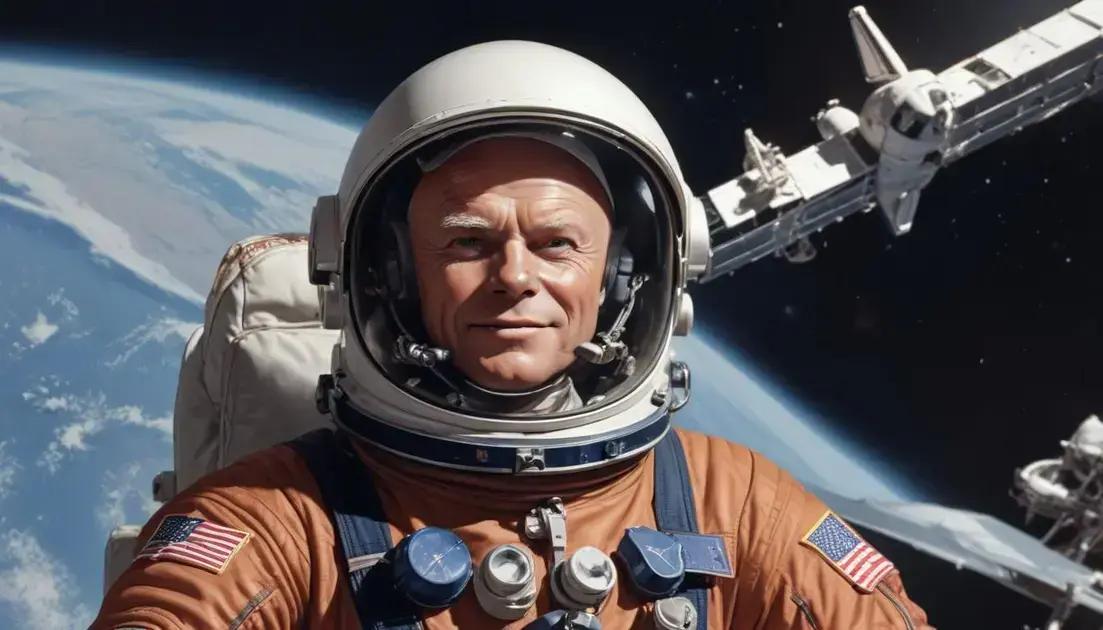
John Glenn was a pioneering astronaut and U.S. Senator, best known for becoming the first American to orbit Earth during the Mercury-Atlas 6 mission in 1962. His legacy includes inspiring future generations in science and space exploration, his later political career advocating for education and research funding, and further contributing to NASA’s missions. Glenn’s remarkable journey highlights the importance of courage and dedication in achieving monumental goals.
John Glenn was not just an astronaut; he was an inspiration. As the first American to orbit Earth, he paved the way for a new era in space exploration. His journey ignited dreams and ambitions for many, inviting readers to discover the adventures that followed.
Early Life and Career
John Glenn was born on July 18, 1921, in Cambridge, Ohio. From a young age, he showed a passion for flying. After high school, he attended Muskingum College and later became a pilot in the U.S. Army Air Corps.
Military Service
During World War II, Glenn served as a fighter pilot in the Pacific Theater. He flew numerous missions and gained valuable experience. His bravery and skill earned him several medals, laying the groundwork for his future.
Becoming an Astronaut
After the war, Glenn continued his studies and joined the Navy. He became a test pilot, flying experimental jets. His success during these flights caught the attention of NASA.
In 1959, he was chosen to be one of the original Mercury astronauts. His training was intense, but he was ready for the challenges ahead. Glenn’s strong character and leadership made him stand out among his peers.
First Flight
On February 20, 1962, Glenn made history. He was the first American to orbit Earth aboard the Friendship 7 spacecraft. This mission lasted about five hours and made him an American hero.
Mercury-Atlas 6 Mission
The Mercury-Atlas 6 mission was a landmark event in space travel. Launched on February 20, 1962, it marked John Glenn’s historic journey. He became the first American to orbit Earth during this flight.
The Launch
The launch took place at Cape Canaveral, Florida. Glenn was aboard the spacecraft named Friendship 7. The countdown was tense, but everything went smoothly.
Overview of the Flight
The flight lasted about five hours. Glenn completed three orbits around Earth, traveling about 80,000 miles. He experienced weightlessness and witnessed stunning views of our planet.
Key Milestones
During the mission, Glenn faced some challenges. The spacecraft’s heat shield had a minor issue, causing concern. However, Glenn’s calmness kept the mission on track.
He sent important data back to NASA. This information was crucial for future space missions. Glenn’s successful orbit greatly boosted American confidence in space exploration.
Legacy of the Mission
The Mercury-Atlas 6 mission was a giant leap for America. It showcased the country’s determination to lead in space. Glenn became a national hero, inspiring countless dreamers to reach for the stars.
Legacy and Impact
John Glenn’s legacy is powerful and far-reaching. His journey as the first American to orbit Earth changed space exploration forever. It ignited a passion for science and technology in many.
Inspiration for Future Generations
Glenn became a symbol of what is possible. Kids looked up to him as a hero. His achievements encouraged them to dream big, aiming for careers in science and engineering.
Advancements in Space Travel
His mission showed that humans could survive in space. Glenn’s successful flight provided important data for future missions. These lessons helped NASA prepare for even longer journeys.
Public Service and Leadership
After his astronaut career, Glenn served as a U.S. Senator. He focused on issues like education and science funding. His work in politics continued to influence public policy on space and research.
Cultural Impact
John Glenn played a vital role in America’s space race. His story has been featured in books and movies. This keeps his memory alive for new audiences.
Overall, his impact goes beyond space travel. Glenn’s courage and determination continue to inspire everyone, reminding us all to reach for the stars.
Later Life and Contributions
In his later life, John Glenn continued to make significant contributions. After his historic flight, he did not slow down. He became a strong advocate for education and science.
Return to Space
At the age of 77, Glenn made headlines again. He flew on the Space Shuttle Discovery in 1998. This mission marked his return to space after 36 years. His flight showcased that age is not a barrier for exploration.
Political Career
Glenn served as a U.S. Senator from 1974 to 1999. He represented Ohio and worked on many important issues. Glenn focused on education, science funding, and space exploration.
NASA Advocacy
As a former astronaut, he advised NASA on various projects. His expertise helped shape future missions. Glenn constantly encouraged young people to pursue careers in science and technology.
Honors and Recognition
Throughout his life, Glenn received numerous awards. He was honored with the Presidential Medal of Freedom in 2012. His accomplishments were celebrated globally, inspiring new generations.
John Glenn’s legacy continues to impact society. His dedication to exploration, education, and public service left a lasting mark.
Conclusion
In conclusion, John Glenn’s life and achievements highlight the importance of courage and dedication. His journey as the first American to orbit Earth opened doors for future exploration. Glenn became a role model for young dreamers everywhere.
His later contributions in politics and advocacy for education show his commitment to progress. By inspiring others to pursue science and technology, he ensured that his legacy would continue to inspire generations. Remembering John Glenn is not just about his flights but also about his lasting impact on society.