KGB and CIA: The Invisible Power Game
The Cold War was a significant period marked by political tension between the United States and the Soviet Union, influencing global alliances, culture, and technology. Key aspects include espionage, propaganda, and major events like the Cuban Missile Crisis, which shaped modern international relations. The legacy of the Cold War continues to affect politics today, demonstrating its lasting impact on global dynamics and societal developments.
Welcome to the world of Cold War, where shadows danced and unseen powers dictated the course of history. Have you ever wondered what really happened behind the scenes?
The Cold War Dynamics
The Cold War was a time of great tension and competition between the United States and the Soviet Union. This period led to significant global changes. Nations chose sides, aligning with one of the two superpowers.
Understanding the Tension
The Cold War was not just a military showdown. It involved economic, political, and ideological battles. Each side wanted to prove their system was superior. This meant everything was a contest, from technology to culture.
Key Events that Shaped the Cold War
Several key events marked the Cold War era, like the Berlin Blockade and the Cuban Missile Crisis. These incidents brought the world to the brink of nuclear war, showcasing how fragile peace could be.
The Role of Propaganda
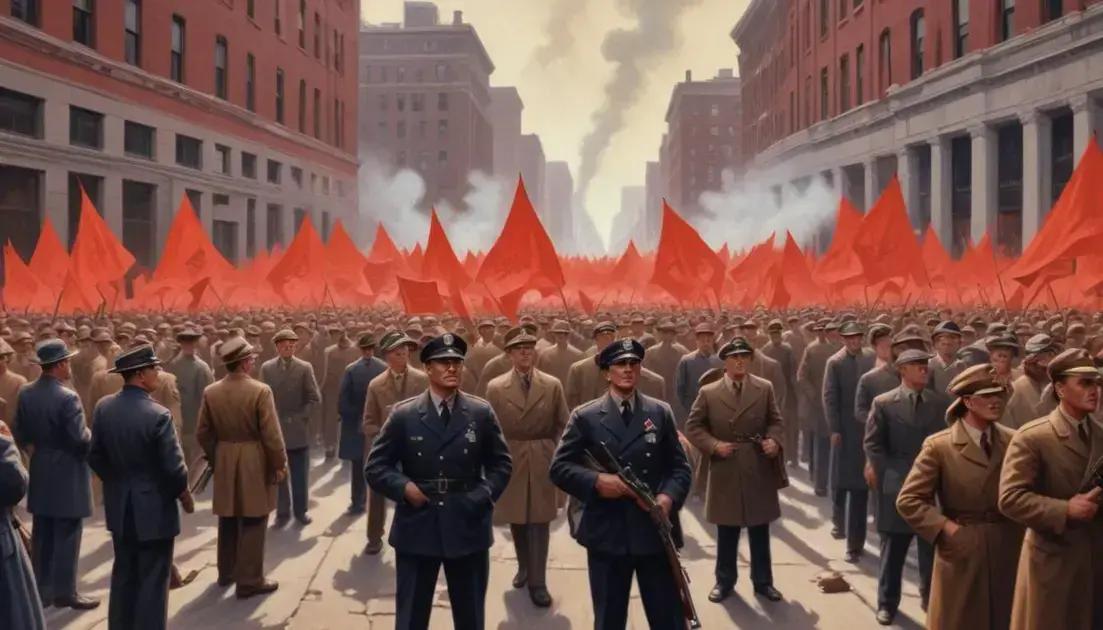
Propaganda played a huge role during these years. Both sides used media to influence public opinion. They spread their messages to highlight the dangers of the other side, creating fear and mistrust among nations.
Espionage and Intelligence
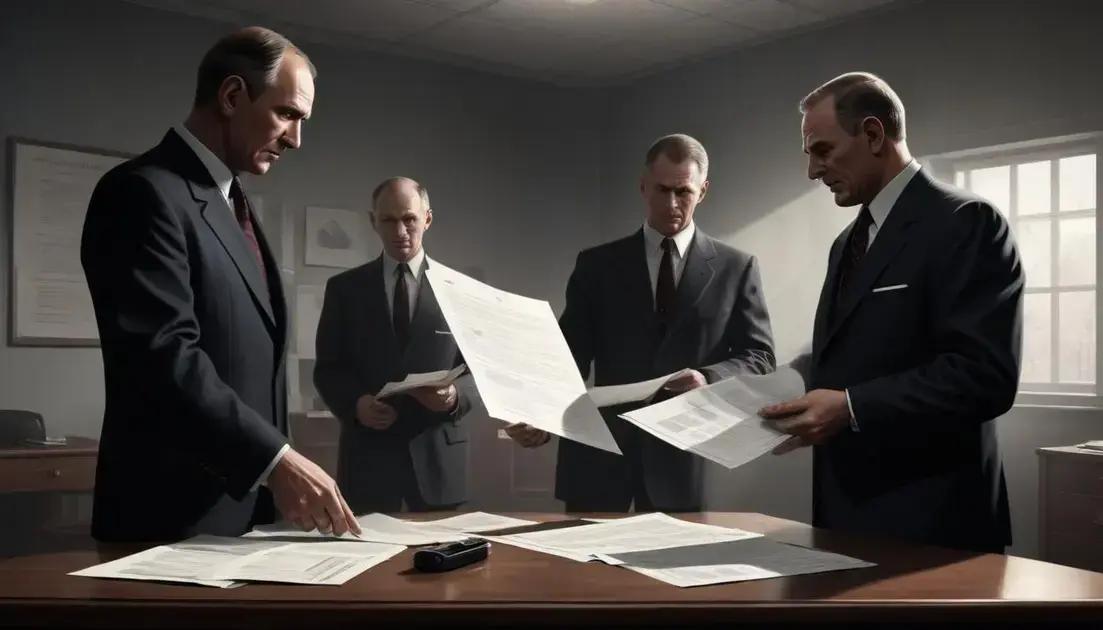
Espionage was a crucial aspect of the Cold War. The KGB and CIA worked tirelessly to gather secrets about each other. Spies infiltrated governments and gathered intelligence, which was vital for national security.
End of the Cold War
The Cold War eventually came to an end with the fall of the Berlin Wall in 1989. This moment signified a shift in global politics and showed that peace was possible. Nations began to rebuild and open up to cooperation.
KGB’s Tactics and Strategies
The KGB was known for its clever tactics and strategies during the Cold War. They focused on gathering intelligence and influencing politics. Their methods were often secretive and highly organized.
Espionage Techniques
One of the KGB’s main tactics was espionage. This involves spying on foreign governments to gather details. KGB agents would blend in and gather needed information.
Counterintelligence Efforts
The KGB also practiced strong counterintelligence. This was about protecting their own secrets from enemies. They worked hard to catch foreign spies who tried to infiltrate.
Psychological Warfare
Psychological tactics played a big role in their strategy. They used propaganda to spread fear and doubt. This made people question the motives of their governments.
Use of Technology
Technology was vital for the KGB. They used advanced tools for surveillance. Bugging devices and wiretapping helped them monitor conversations without being seen.
International Operations
The KGB operated worldwide. They had agents in many countries, spreading influence. Their goal was to create allies and support movements that aligned with Soviet interests.
CIA’s Countermeasures
The CIA used various countermeasures to protect U.S. interests during the Cold War. Their strategies aimed to thwart the KGB and other threats.
Intelligence Gathering
The CIA focused on gathering intelligence. They used spies and informants to gather vital information. This helped them understand enemy plans and actions.
Surveillance Techniques
They implemented advanced surveillance techniques to monitor activities. This included wiretaps and satellite imagery. These tools provided a clearer picture of foreign operations.
Covert Operations
The CIA often carried out covert operations to destabilize opponents. These secret missions aimed to influence political situations in other countries.
Infiltrating Organizations
Infiltration was another key tactic. The CIA would place agents in organizations suspected of being influenced by the KGB. This helped them gain insights and disrupt enemy plans.
Public Relations Efforts
To counter propaganda, the CIA engaged in public relations campaigns. They aimed to shape public perception and promote democracy. This was part of the battle for hearts and minds worldwide.
The Intersection of Espionage and Politics
Espionage and politics are tightly connected, especially during the Cold War. One influenced the other in many ways. Countries used spies to gain an edge in international relations.
Political Intrigue
Spying often shaped political decisions. Leaders relied on intelligence reports to guide their choices. Accurate information could change the course of events.
Espionage as a Tool
Espionage served as a tool for diplomacy. It helped nations negotiate and understand their opponents better. Knowing an enemy’s plans was crucial for forming alliances.
The Role of Spies
Spies were often seen as heroes or traitors, depending on perspective. They played key roles in gathering crucial information. Their actions impacted foreign policy and national security.
Public Perception
Espionage influenced how the public viewed their governments. Successes in spying boosted national pride. Failures, however, could lead to distrust and scandal.
Historical Examples
Many historical events were shaped by espionage. The Cuban Missile Crisis is one notable example. Intelligence reports directly influenced the U.S. response during this tense time.
Legacy of the Cold War
The Cold War left a huge impact on the world we live in today. Its effects are still felt in many ways. From politics to culture, the Cold War shaped modern history.
Political Landscape
Many countries realigned their politics during and after the Cold War. Nations created new alliances and partnerships. The balance of power shifted significantly.
Cultural Influence
The Cold War also influenced art, music, and literature. Many works reflected the tension and rivalry of the era. Films and books captured the fears and hopes of people.
Technology and Innovation
Many technological advancements came from the Cold War. The space race pushed countries to innovate. This led to achievements like moon landings and satellite technology.
Current Conflicts
Some conflicts today have roots in Cold War tensions. Old rivalries still affect international relations. Understanding this history helps us navigate current issues.
Global Organizations
The Cold War also led to the formation of global organizations. Groups like NATO and the UN took shape to promote peace and cooperation.
Conclusion
In conclusion, the Cold War had a lasting impact on our world today. Its effects shape our politics, culture, and technology. Understanding this era helps us see how past events influence current issues.
The political changes led to new alliances. Cultural expressions reflected the tensions of the time. Technological advancements set the stage for future innovations. By studying the legacy of the Cold War, we gain valuable insights into today’s global challenges.
As we move forward, recognizing these connections is key. It helps us learn from the past and work towards a more peaceful future. The Cold War may have ended, but its lessons remain relevant for generations to come.
Tags: