KGB and CIA: The Invisible Power Game
The Cold War marked a pivotal era in global history, characterized by the intense rivalry between the KGB and CIA. These intelligence agencies employed various strategies, including espionage, psychological warfare, and propaganda, to influence nations and public opinion. Key operations like the CIA’s Operation Ajax reshaped governments, while both agencies relied on disinformation and surveillance to secure their objectives. Following the Cold War, geopolitical dynamics shifted significantly as the collapse of the Soviet Union altered the focus of intelligence work, emphasizing new threats like terrorism and global security challenges. Understanding this complex history is crucial for grasping current international relations.
Did you ever wonder how the Cold War shaped global espionage and the power dynamics between superpowers? This article dives into the thrilling tactics and mind games played by the KGB and CIA.
The Historical Context of the Cold War
Understanding the Cold War means looking at the time after World War II. The world had changed a lot, and two big powers emerged: the United States and the Soviet Union. These countries had different ideas about how to run a government and society.
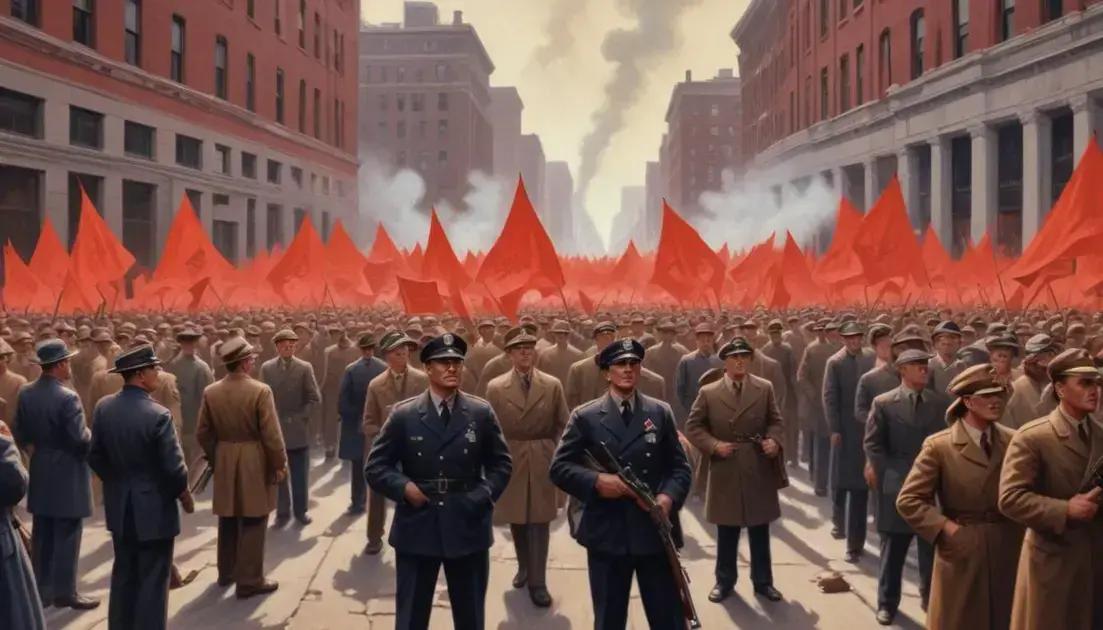
The United States supported democracy and capitalism, while the Soviet Union pushed for communism. This created a lot of tension. Rather than fighting each other directly, both sides tried to gain influence around the globe. They used propaganda, spies, and military alliances to win people over.
Events like the Berlin Blockade in 1948 and the Cuban Missile Crisis in 1962 showed how close both sides came to actual war. These events made people fear a potential nuclear conflict. During this time, both countries built up their nuclear weapons, leading to an arms race.
The Cold War wasn’t just about military might. It also affected culture, technology, and daily life. For example, the space race led to major advancements, like the first human in space. Meanwhile, sports and arts often became tools for propaganda.
Everywhere, people felt the impact of this divide. Families were split, and spies operated anonymously. This era left a lasting mark on international relations, influencing how countries interact even today.
The Rise of KGB and CIA
The rise of the KGB and CIA marked a key shift during the Cold War. These agencies became the main players in global espionage. The KGB operated for the Soviet Union, and the CIA worked for the United States. Their main goal was to gather information and influence other countries.
After World War II, the KGB grew in power. It focused on spying and secret operations. The agency used various methods to track down enemies. This included surveillance and undercover agents.
At the same time, the CIA was being formed. Founded in 1947, it replaced the Office of Strategic Services (OSS). The CIA quickly took on many covert tasks. It worked to fight communism abroad and strengthen U.S. interests.
Both agencies were crucial in events like the Berlin Blockade and the Korean War. They were constantly trying to outsmart each other. The rivalry led to operations that changed the course of history.
The secretive nature of their work attracted much attention. Spy novels and movies became popular, reflecting public intrigue. People became fascinated with spies and their hidden lives.
Key Operations and Espionage Tactics
The KGB and CIA were famous for their clever operations during the Cold War. Both used many tactics to gather information and stay ahead. One key tactic was espionage. This involved spying on enemies to find out their plans.
One notable operation by the CIA was Operation Ajax. This was in Iran during the 1950s. The CIA helped overthrow the Iranian government to install a friendlier leader. This operation showed how the CIA could influence governments.
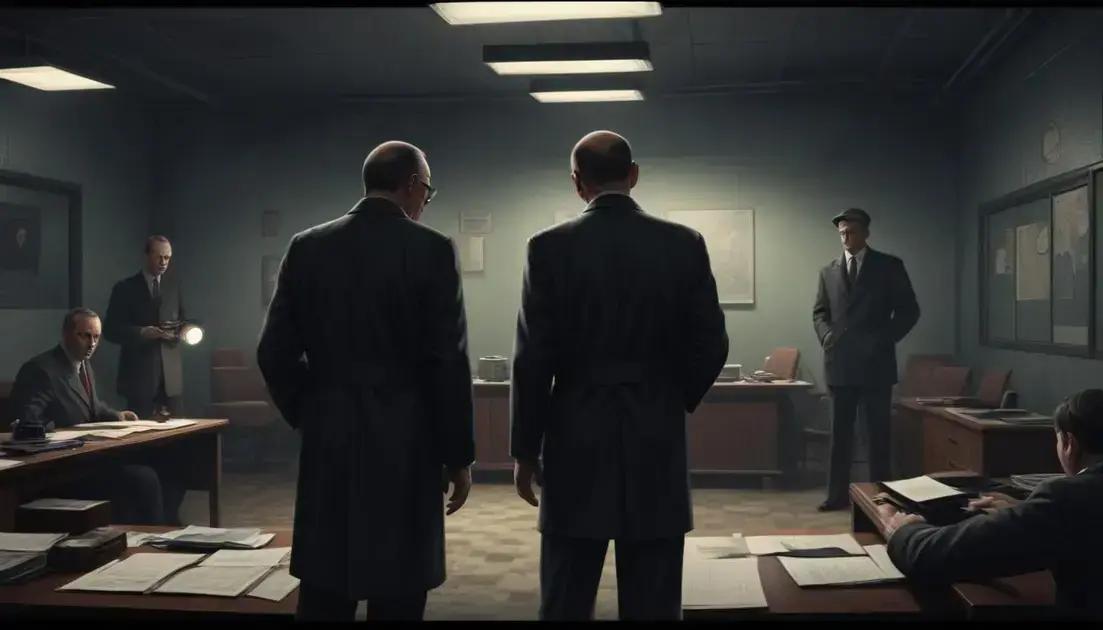
The KGB also had many successful missions. They used agents to infiltrate organizations in different countries. These agents would blend in, gather information, and report back. This made it hard for enemies to spot them.
Another tactic was using disinformation. Both agencies spread false information to confuse the other side. Sometimes, they would release fake news to sway public opinion.
Interrogation techniques were key too. Questions were designed to reveal secrets. These methods were often tough and could involve manipulation. The goal was to get the needed information for the upper hand.
Lastly, both agencies relied on communication interception. They would listen in on phone calls and read mail to gather intelligence. This gave them insights into plans and movements.
The Psychological Warfare
Psychological warfare played a big part in the Cold War. Both the KGB and the CIA used strategies to influence minds and control narratives. They aimed to win the hearts and minds of people.
One key tactic was spreading propaganda. This involved using news, films, and pamphlets to shape public opinion. Each side wanted to show itself as the hero and the other as the villain. This made their own government look good while discrediting the other side.
Fear was another weapon. The CIA promoted stories about communism taking over. They wanted people to believe that the Soviet Union was a real threat. Meanwhile, the KGB spread fears about capitalism. They wanted people to think that the West caused poverty and war.
Both agencies aimed to create doubt and mistrust. They operated in the shadows, planting stories to create confusion. This strategy made it hard for ordinary folks to know what was true.
Psychological operations even extended to spies and agents. Agents were trained not just to gather information but to manipulate perceptions as well. They learned how to exploit emotions and fears to get people to act as needed.
Overall, psychological warfare was a key element of the Cold War. It showed that battles aren’t just fought with weapons but also with ideas and beliefs.
Post-Cold War Scenarios and Consequences
After the Cold War, the world changed dramatically. Both the KGB and the CIA had to adapt to new realities. No longer were they focused only on each other. Instead, they shifted their attention to emerging threats.
The Soviet Union collapsed in 1991. This led to a new era in international relations. Former Soviet states had to find their place in the world. Some embraced democracy and capitalism, while others struggled.
The CIA started targeting terrorism more than ever. With groups like Al-Qaeda rising, the focus shifted away from the Soviet threat. This new enemy required different strategies and operations.
NATO also expanded after the Cold War. Many Eastern European nations joined, changing the balance of power. This move aimed to promote stability, but it came with challenges. Some countries felt threatened by NATO’s presence, leading to tension.
Increased globalization meant more connections worldwide. Nations could no longer act alone. Economics, politics, and culture started to intertwine more than before. This created both opportunities and challenges for intelligence agencies.
Overall, the post-Cold War era brought complexity. With new threats and a changing global landscape, agencies had to rethink their roles. Today’s world is different, but the legacy of the Cold War still shapes our lives.
Conclusion
In conclusion, the Cold War shaped modern history in many ways. The strategies used by the KGB and CIA still influence how we view security today. From psychological warfare to espionage tactics, their actions created a complex world. Understanding these events helps us see current global issues better.
The end of the Cold War opened up new possibilities. Nations found themselves navigating new relationships and threats. As we look forward, it’s clear that the lessons learned from this important time are still relevant. By studying the past, we can better prepare for the future.
Tags: