Knights: chivalry, honor, and medieval warfare
The legacy of knighthood persists today, inspiring modern heroes who embody values like honor, bravery, and chivalry. These ideals are reflected through acts of kindness, community service, and representation in popular culture. Learning about famous knights showcases their influence, while educational programs ensure that future generations continue to appreciate and uphold these noble traits.
Knights have long captivated our imaginations with tales of honor, bravery, and chivalry. But what truly makes a knight? Dive into this fascinating world of medieval warfare and discover their enduring legacy.
The Code of Chivalry: Principles and Practices
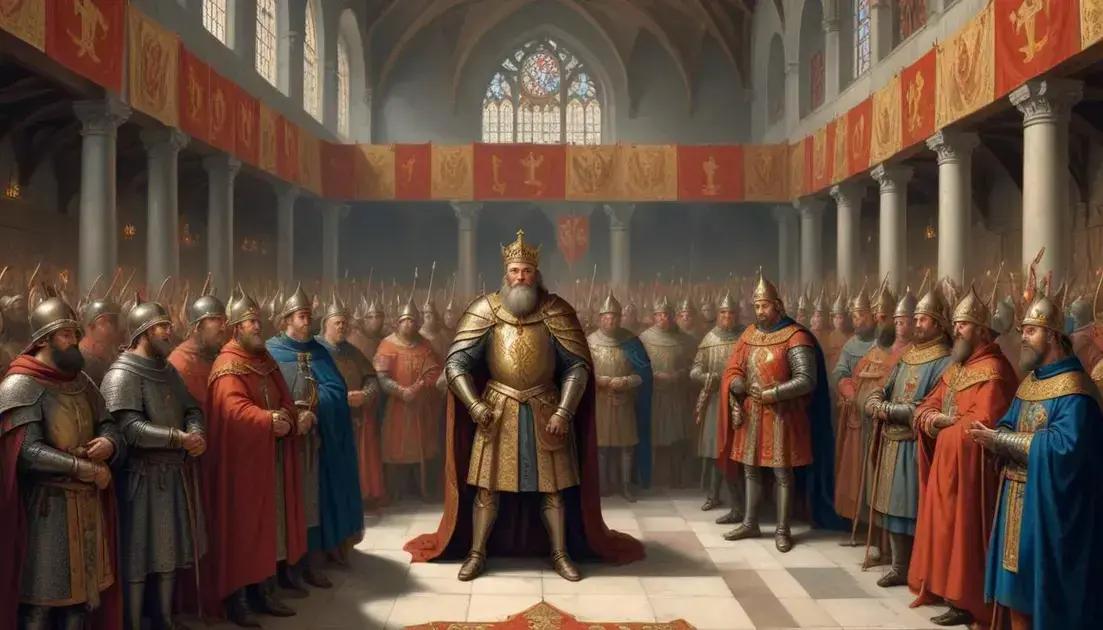
The Code of Chivalry is a set of rules that knights followed. These rules guided their behavior in battle and life. Honor, loyalty, and bravery were key principles that every knight aimed to live by.
Honor
Honor means being truthful and following your word. Knights were expected to protect the weak and serve their lord faithfully. When someone acted with honor, they earned respect from others.
Loyalty
Loyalty was vital in the knight’s life. A knight had to be loyal to their king and comrades. Betraying their lord was seen as one of the worst crimes. This loyalty built strong bonds among knights.
Bravery
Bravery in battle was essential. Knights faced many dangers, but they didn’t back down. They fought to protect their land and defend the innocent. Their courage inspired others to stand strong.
Courtesy
Courtesy was also important. Knights treated others with respect. They showed good manners and kindness, especially to women and those of lower rank. This behavior helped them gain friends and allies.
Justice
Knights sought to uphold justice. They believed in protecting the weak and punishing wrongdoers. A true knight would take action against unfairness in their community.
The Code of Chivalry shaped the lives of knights. Even today, values of honor and loyalty inspire many. The stories of brave knights remind us of the importance of standing for what is right.
Life of a Knight: Training and Responsibilities
The life of a knight was full of training and responsibilities. Knights began their training as young boys. They learned how to ride horses, use weapons, and fight.
Training Years
At around seven, a boy became a squire. As a squire, he assisted a knight. He learned valuable skills and practices. This period was crucial for developing strength and courage.
Weapons and Combat
Knights trained with various weapons, like swords and lances. They practiced fighting styles and tactics. Regular practice sessions helped them prepare for battles. Good knights had to be skilled in using armor and riding horses as well.
Chivalric Values
Training wasn’t just physical. Knights also learned the Code of Chivalry during their training. This code taught honor, loyalty, and respect for others. Knights were expected to treat everyone fairly, especially in combat.
Duties and Responsibilities
Once a knight completed his training, he had many duties. He fought for his lord and defended his land. Knights also had to protect the weak and uphold justice in their communities.
Service to the Community
Knights served in local government. They were often part of councils that made choices for the town. This duty helped maintain order and peace.
The life of a knight was demanding, with many challenges. Yet, the honor of being a knight brought great pride. Knights worked hard to fulfill their roles while adhering to their code.
Medieval Warfare: Tactics and Equipment
Medieval warfare was complex and involved many tactics and equipment. Knights and soldiers fought to protect their lands and achieve victories. Understanding their strategies and gear is key to learning about this period.
Tactics in Battle
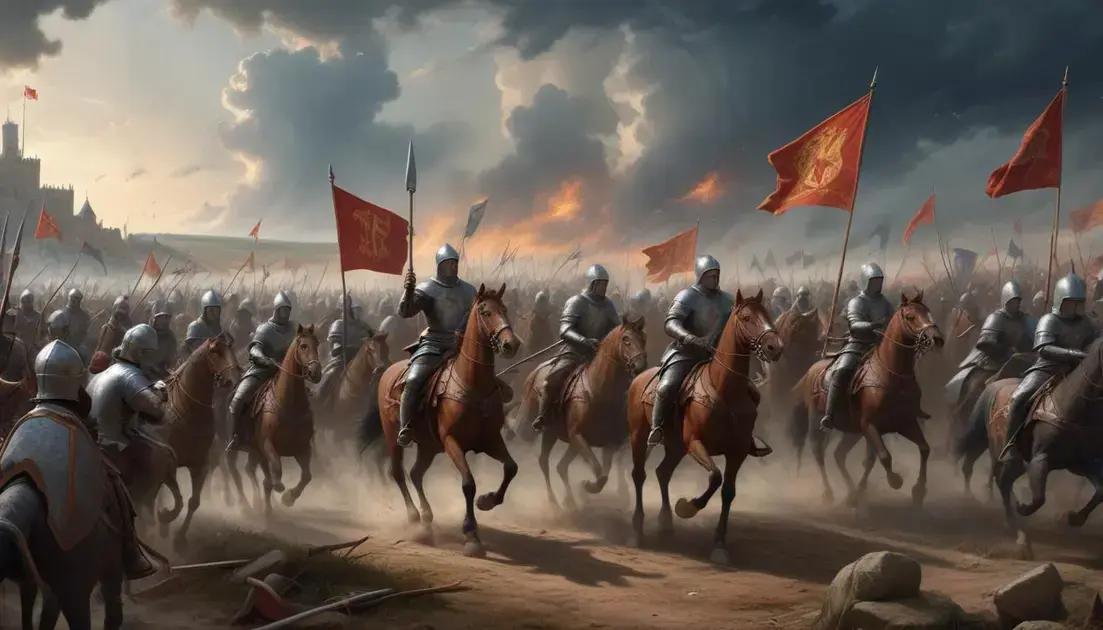
Knights used different tactics during battles. One common method was the charge, where knights would storm the enemy lines. This tactic relied on speed and strength to break through defenses.
Infantry and Archers
Infantry played an important role. These foot soldiers fought on the front lines. They used swords, spears, and shields. Archers provided support from a distance. Equipped with longbows, they shot arrows to weaken enemies before close combat began.
Cavalry Advantage
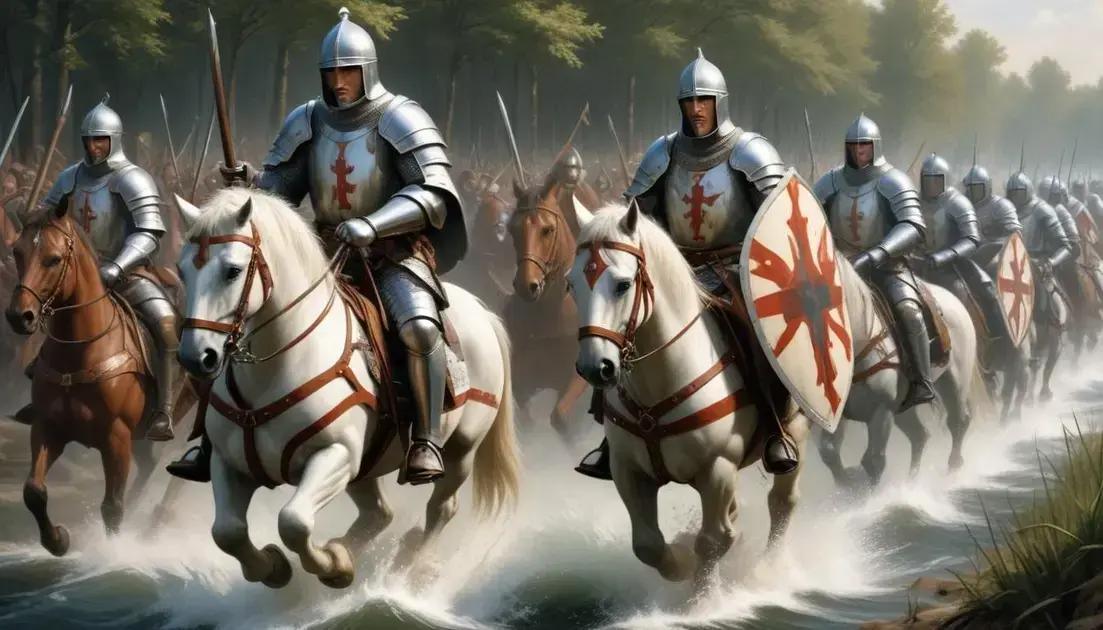
The cavalry gave armies an edge. Mounted knights could move quickly and strike hard. Their horses carried them into battle. They used lances and swords to attack opponents swiftly.
Siege Warfare
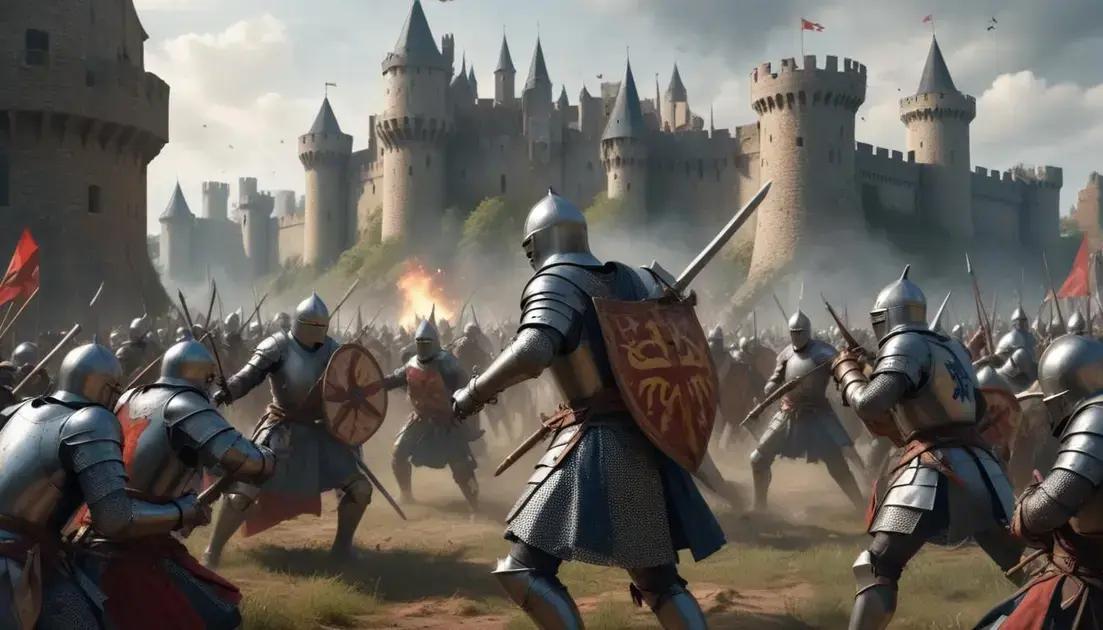
When attacking castles, knights employed siege tactics. Trebuchets and catapults hurled heavy stones over walls. This method aimed to weaken defenses and create gaps for soldiers to enter.
Equipment and Armor
Knights wore heavy armor to protect themselves. This included helmets, chainmail, and plate armor. The gear was essential for survivability in battle. Each piece was designed for maximum protection while allowing movement.
Swords were the primary weapon for knights. They also carried daggers and axes. These weapons varied in design and purpose, suited for different combat situations.
Understanding the tactics and equipment of medieval warfare helps us appreciate the skill and bravery of knights. Their ability to adapt made them fierce warriors in a changing world.
Famous Knights in History
Many famous knights have made their mark in history. These warriors showed bravery and leadership in battles. Their stories inspire us even today.
William Marshal
William Marshal was one of the most celebrated knights of the medieval age. He served four English kings and was known for his skill in battle. Marshal displayed loyalty and honor, earning a strong reputation.
Richard the Lionheart
Richard the Lionheart was a famous king and warrior. He fought in the Third Crusade to regain control of the Holy Land. His bravery and courage made him a legendary figure in history.
El Cid
El Cid, known as Rodrigo Díaz de Vivar, was a Spanish knight. He fought against the Moors and was a national hero. His story is filled with battles, honor, and loyalty. Today, El Cid is remembered for his great deeds.
Joan of Arc
Joan of Arc was a remarkable female knight. She led French troops during the Hundred Years’ War. Her visions and strong faith inspired many. Joan became a symbol of courage and determination.
Bertrand du Guesclin
Bertrand du Guesclin was a skilled French knight known for his tactical abilities. He played a key role in the Hundred Years’ War, helping France recover lost territories. His leadership and fighting skills left a lasting impact.
These famous knights are remembered not just for their skills in warfare but also for their values. Their stories of bravery and honor continue to fascinate people today.
The Legacy of Knighthood Today
The legacy of knighthood is still alive today. Many values associated with knights inspire us. Honor, bravery, and chivalry continue to shape our ideas of heroism.
Modern-day Heroes
Today, people often look to modern heroes who embody knightly qualities. First responders, soldiers, and community leaders display bravery and selflessness. They serve their communities and protect others, just like knights did in the past.
Chivalry in Everyday Life
Chivalry has evolved, but its spirit remains. Acts of kindness and respect in our daily lives reflect knightly values. Holding doors for others or helping those in need shows the same respect that knights practiced.
Knights in Popular Culture
Knights have a strong presence in movies, books, and games. Stories of knights captivate our imagination. Characters like King Arthur and his knights demonstrate loyalty and adventure, keeping the spirit of knighthood alive.
Organizations and Awards
Some organizations promote the ideals of knighthood. They recognize individuals for their charitable work and community service. Awards such as the Order of the Garter celebrate those who show exceptional commitment to their communities.
Educational Programs
Schools teach students about the history of knights. They learn about the values knights upheld and how these ideals apply today. This education helps inspire future generations to act with honor and courage.
The legacy of knighthood reminds us of the importance of good character. By embracing these values, we create a positive impact in our world.
Conclusion
In conclusion, the legacy of knighthood remains strong in our lives today. The values of honor, bravery, and chivalry still inspire many. Whether through modern heroes, acts of kindness, or popular stories, the spirit of knights is alive.
By embracing these values, we can make our communities better places. Learning about knights helps us appreciate their influence on our world. Let’s continue to honor their legacy by acting with courage and respect every day.