Korean War: the first major conflict of the Cold War
The Korean War significantly shaped modern geopolitics, leading to the ongoing division of North and South Korea. It influenced U.S. military strategies and alliances while highlighting China’s growing global role. The legacy of this conflict continues to affect international relations, emphasizing the need for diplomatic efforts to ensure regional stability and peace.
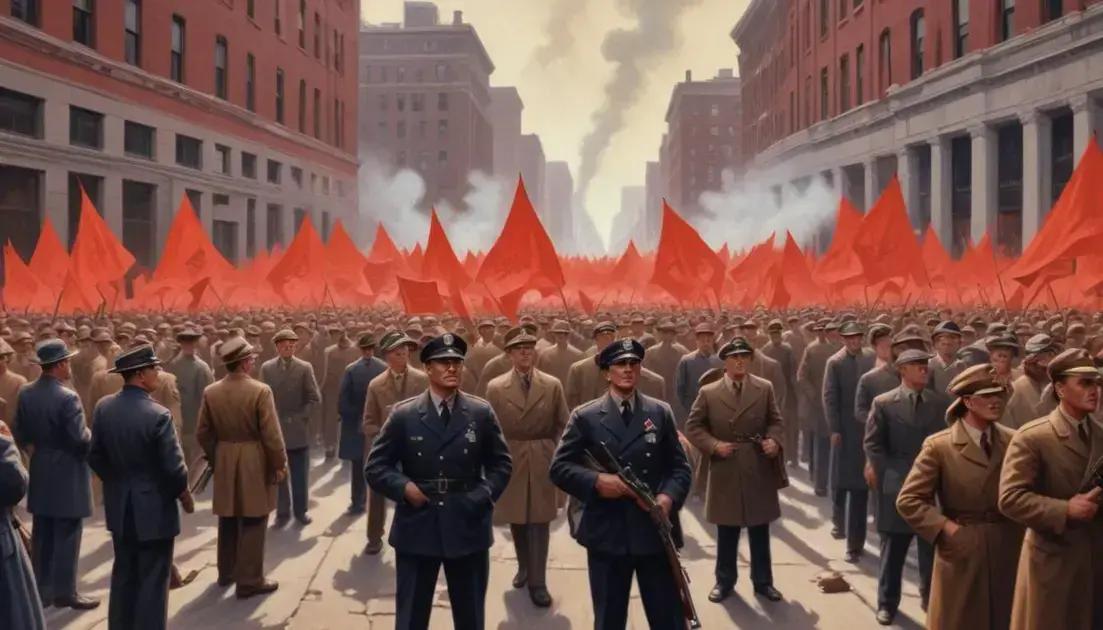
The Korean War marked a significant chapter in the Cold War, as it pitted North against South, shaping global politics for decades to come. Interested in how this conflict unfolded?
Overview of the Korean War
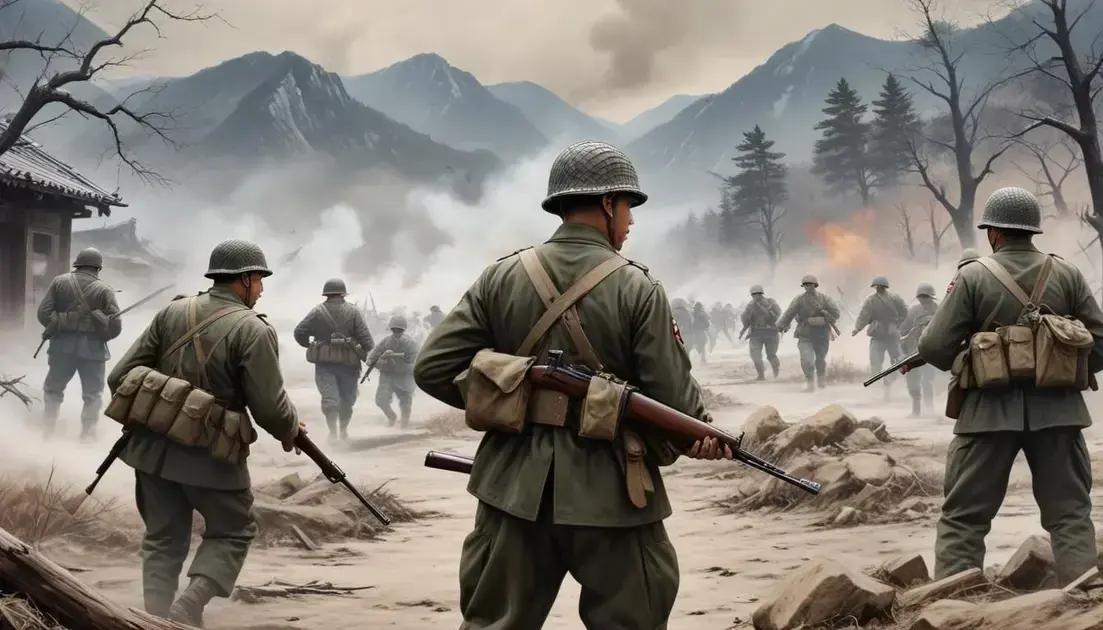
The Korean War began in 1950 when North Korea invaded South Korea. This conflict was critical in the broader context of the Cold War. The United States and its allies supported the South, while China and the Soviet Union backed the North. This clash brought a mix of national divisions and international tensions.
Key Players in the Conflict
North Korea, led by Kim Il-sung, sought to unite the peninsula under communism. Meanwhile, South Korea, under Syngman Rhee, aimed to resist this takeover. The United States joined to deter the spread of communism. This sparked a fierce struggle marked by significant battles.
Major Battles and Events
Major battles like the Battle of Pusan Perimeter and the Inchon Landing were pivotal. These events shaped the war’s trajectory and affected many lives. As the fighting escalated, towns and cities faced devastation, leaving many displaced and in dire need of aid.
The Role of International Powers
International powers played a huge role. The United Nations, led by the U.S., intervened to aid South Korea. Meanwhile, China intervened to support North Korea, which brought a new dimension to the war. This created a geopolitical struggle that echoed through several decades.
Aftermath and Legacy
By 1953, an armistice was reached, yet no formal peace treaty was signed. The Korean Peninsula remains divided along the 38th parallel. The war shaped future U.S. foreign policy and the dynamics of the Cold War. It also led to lasting impacts in both North and South Korea.
Major events during the Korean War
During the Korean War, several major events shaped its course. Each event had a significant impact on soldiers and civilians alike. These key moments still influence the Korean Peninsula today.
Invasion of South Korea
In June 1950, North Korea launched a surprise attack on South Korea. This invasion started the war and shocked the world. The United Nations quickly responded, calling for military assistance.
Battle of Pusan Perimeter
This battle took place from August to September 1950. It was a critical fight where South Korean and UN forces defended against North Korean advances. Tough fighting led to heavy casualties on both sides.
The Inchon Landing
In September 1950, General MacArthur led a daring amphibious assault at Inchon. This surprise tactic turned the war around. It allowed UN forces to recapture Seoul and push back the North Korean army.
Chinese Intervention
As UN forces moved north, China entered the war in October 1950. They supported North Korea with a massive troop deployment. This intervention shifted the tide of the war once again, leading to fierce fighting and a stalled advance.
Stalemate and Trench Warfare
By 1951, the war had settled into a brutal stalemate. Both sides dug in, leading to trench warfare reminiscent of World War I. Conditions were harsh, and both soldiers and civilians faced tough hardships.
Armistice Talks
Negotiations for peace began in July 1951 but dragged on for two years. Talks were often tense and complicated. Finally, in July 1953, an armistice was signed, establishing the Korean Demilitarized Zone.
Consequences of the Korean War on the Cold War
The Korean War had lasting effects on the Cold War. It shaped how countries viewed communism and democracy. The conflict deepened the divide between East and West.
Strengthening of Alliances
As the war unfolded, NATO allies strengthened their ties. The U.S. took a firm stand against communism. This commitment led to stronger military partnerships in Europe and Asia.
Increased Military Presence
The U.S. increased its military presence in Asia after the war. They stationed troops in South Korea and Japan. This move aimed to deter further communist expansion throughout the region.
Spread of Communism Concerns
Countries worldwide became more aware of communism. The Korean War heightened fears of communist takeovers. This led to a series of conflicts, like the Vietnam War, as nations tried to contain communism.
Political Tensions
The war added to the political tensions of the Cold War. The U.S. and its allies saw China as a major threat. This suspicion fueled U.S. foreign policy and military strategies for years.
Legacy of Division
The Korean War left a divided Korea that persists today. North and South Korea remain at odds. This division reflects the larger struggle between communism and democracy during the Cold War.
Legacy of the Korean War in modern geopolitics
The Korean War still influences modern geopolitics today. Its legacy can be seen in many international relations. The war reshaped boundaries, alliances, and political dynamics.
Continued Korean Division
North and South Korea remain divided. This split has lasted over 70 years. The tension affects regional security and diplomacy in Asia.
U.S. Military Presence
The United States maintains a strong military presence in South Korea. This act serves as a deterrent against potential aggression from the North. It also impacts U.S. relations with other countries in the region.
Impact on China’s Global Role
China’s role has grown significantly since the war. Its support for North Korea shapes its foreign policy. China often defends North Korea in international matters, impacting global stability.
Cold War Echoes
The Korean War laid the groundwork for future Cold War conflicts. It established patterns of U.S. intervention in Asia. These patterns continue to influence American foreign policy decisions.
Lessons in Diplomacy
The war teaches important lessons in diplomacy. Efforts to negotiate peace are ongoing but remain complex. Current talks about denuclearization show how challenging these issues are.
Conclusion
In conclusion, the Korean War has had a lasting effect on our world today. Its impact can still be felt in modern geopolitics, shaping the relationships between nations. The division of North and South Korea continues to influence regional security and diplomacy.
Additionally, the U.S. military presence in South Korea remains a key factor in deterring aggression and fostering stability in the area. As China grows in its role, the dynamics of international relations continue to evolve.
Understanding the lessons from the Korean War helps us navigate current global issues. By keeping the lines of communication open, we can work toward lasting peace and cooperation among nations. The legacy of this conflict reminds us of our shared responsibility for a safer world.
Tags: