Ku Klux Klan: terror, racism, and American history
The Ku Klux Klan (KKK) has significantly influenced American history, perpetuating racism and discrimination, particularly against Black Americans. Founded in the post-Civil War era, the Klan’s terror tactics, including violence and intimidation, aimed to maintain white supremacy. Their actions created societal fear and left lasting divisions within communities. In recent times, discussions on racism reflect the Klan’s enduring legacy, highlighting the ongoing fight for equality and the importance of education and awareness in combating hate. Understanding this history is crucial for promoting a more inclusive society.
Have you ever wondered how a group like the Ku Klux Klan came to be? Let’s dive into the unsettling history that shaped this notorious hate organization.
Introduction to the Ku Klux Klan
The Ku Klux Klan, or KKK, started in the United States after the Civil War. This group aimed to preserve white supremacy and resist changes brought by Reconstruction. At first, it was a social club for Confederate veterans. But soon, it became known for violence and intimidation against Black Americans and anyone who opposed them.
The KKK grew in power during the late 1800s and early 1900s. They used tactics like fear and violence to control people. This included lynchings and threats to those who tried to fight for equal rights.
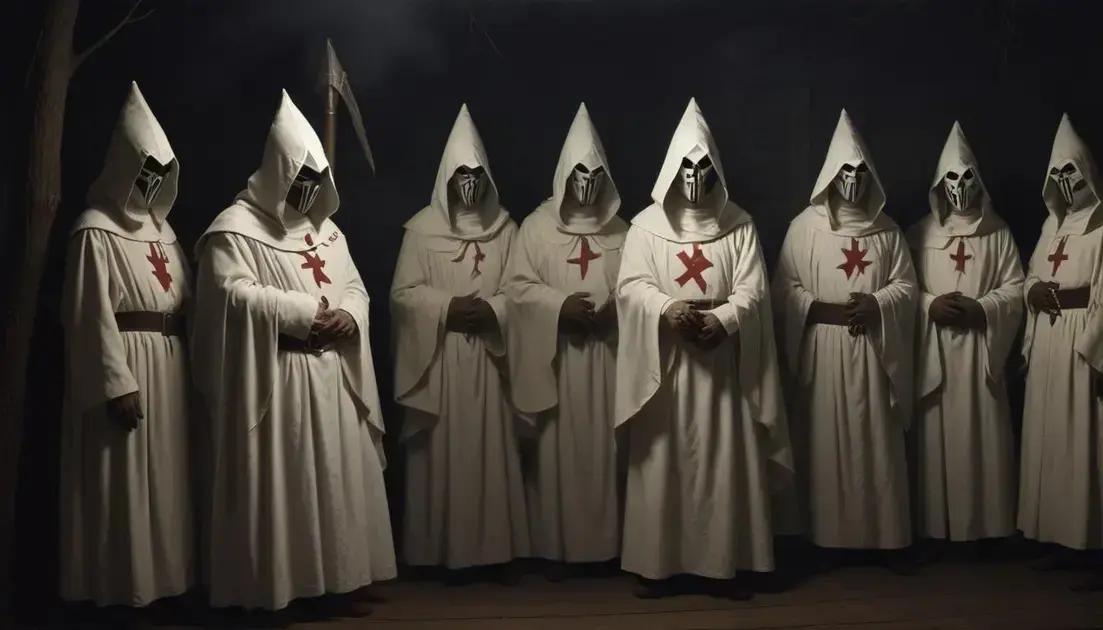
Despite their hidden identity, members of the Klan took part in public events, wearing white robes and hoods. Their goal was to spread their beliefs and instill fear in their communities. Many people were terrified by their actions, which only fueled the KKK’s growth.
Throughout history, many brave individuals and groups have fought back against the Klan. Civil rights movements worked hard to challenge their hate. These efforts continue today, as people still work to combat racism and promote equality. Understanding the KKK’s role in American history helps us see the progress made and the work still needed.
Historical Context of the Klan’s Formation
The Ku Klux Klan was formed in 1865, just after the Civil War. It began as a group of former Confederate soldiers in Tennessee. At first, they wanted to enjoy social activities together. But this quickly changed into something much darker.
During Reconstruction, the government tried to help formerly enslaved people. Many white Southerners were angry about these changes. They saw the Klan as a way to resist the new laws that promoted equality. This led to violent actions all across the South.
As the Klan grew, they used intimidation and fear. Their members wore white robes to hide their identities and make their threats more frightening. They believed they were protecting their way of life and white supremacy.
The Klan’s actions included lynching, burning crosses, and attacking Black communities. These acts were meant to send a strong message. They wanted to show that anyone who supported equality would face severe consequences.
The KKK became a powerful force in American society by the early 1900s. They spread throughout the country, gaining members and influence. Their scary reputation impacted many lives, instilling fear in the hearts of those fighting for civil rights.
Major Events and Actions of the Klan
The Ku Klux Klan has been involved in many major events throughout its history. One of the most infamous actions was the rise of violence during the Reconstruction era, especially from 1868 to 1871. During this time, the Klan targeted Black Americans and their allies.
In 1871, President Ulysses S. Grant responded with the Enforcement Acts. These laws were designed to stop the Klan’s violent activities. But this didn’t end the Klan’s reign of terror. They just went underground for a while.
The Klan re-emerged in the early 1900s, gaining popularity after the release of the film “The Birth of a Nation.” This movie glorified the Klan’s actions during Reconstruction. It made them seem like heroes, which led to a revival of their activities.
During the 1920s, the KKK grew rapidly. They held massive rallies and parades, influencing American society. Their focus expanded beyond race to include religion and immigration. They targeted Jews, Catholics, and immigrants as well.
One significant event was the Klan’s march in Washington, D.C., in 1925. Thousands of Klansmen paraded in white robes, waving flags. This marked their peak in numbers and visibility.
Even after the 1920s, the Klan continued its actions, albeit with less power. They engaged in intimidation, threats, and violence, particularly in the South. Although public opinion shifted against them, their influence lingered for decades.
Today, the Klan still exists, though it’s much smaller. They hold secret meetings and continue to promote hate. Their legacy is a reminder of how deeply racism can affect society.
Impact on American Society
The Ku Klux Klan has had a significant impact on American society. This group has shaped attitudes about race and equality for over a century. Their actions created fear in communities and led to a culture of racism.
The Klan’s violence against Black Americans was brutal. They used terror tactics to control and intimidate people. This violence set the stage for deep divisions in society.
During the early 20th century, the Klan influenced laws and politics. Their presence was felt in local and national politics. They pushed for legislation that supported white supremacy and segregation.
Many Americans were drawn into their hate-filled ideology. This led to the spread of racist beliefs among people who might not have joined otherwise. Such ideas became embedded in communities across the country.
The Klan’s influence also sparked resistance. Civil rights activists worked hard to combat the hatred spread by the Klan. Groups like the NAACP emerged to promote equality and fight back against racism.
In education, the Klan’s impact was felt as well. Schools often reflected the racial tensions of the time. Efforts to integrate schools faced strong opposition from Klan supporters.
Even today, the legacy of the Klan can be seen. Their actions paved the way for ongoing struggles over civil rights. Society continues to work toward equality, learning from the painful past the Klan helped create.
Contemporary Reflections on Racism
Today, racism remains a serious issue in America. The legacy of groups like the Ku Klux Klan still affects society. Many people still face discrimination based on their race or ethnicity.
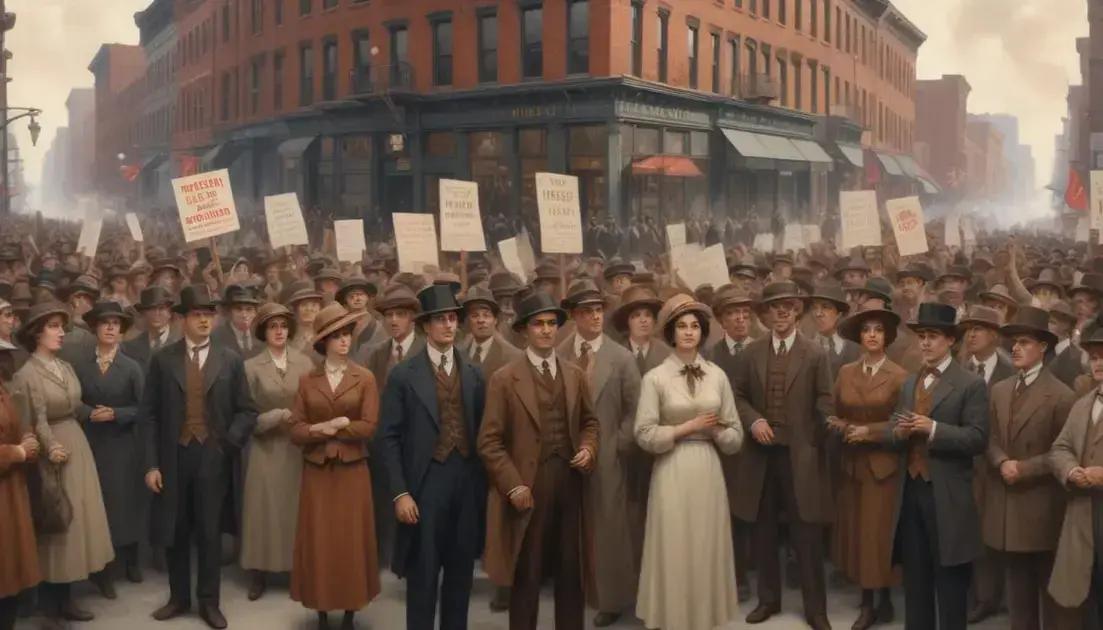
Recent events have brought awareness to these ongoing problems. Protests and movements have highlighted the need for change. People are speaking out against racism in all its forms. This includes not only violence but also everyday injustices.
Social media plays a big role in this fight. It helps spread information quickly and connect people. Activists use it to organize events and share their stories. This allows for more voices to be heard. Everyone can participate in raising awareness.
Education is also important in addressing racism. Many schools are now teaching students about the history of racism. Understanding the past helps people recognize its effects today. Schools focus on promoting inclusivity and respect for all people.
Community discussions about racism are vital. People are coming together to talk about their experiences. These conversations can lead to better understanding and change. It’s essential for people to listen to one another and support each other.
Though progress has been made, there’s still a long way to go. The fight against racism continues as society works toward true equality. By reflecting on the past, we can build a better future for everyone.
Conclusion
In conclusion, understanding the history and impact of the Ku Klux Klan is crucial for recognizing ongoing issues with racism in America. The Klan’s actions shaped many aspects of society, creating deep divides that still affect us today. Awareness and education about these issues are essential.
By reflecting on the past, we can seek to create a more inclusive future. It’s important to keep discussing these problems openly. Every voice matters in the fight against racism. Together, we can work towards a society where everyone is treated equally and with respect.
We must remember that the journey to equality is ongoing. Continuing to challenge hate and support each other helps us grow as a nation. By learning from history, we can strive for a better tomorrow.
Tags: