MAD: The Balance of Nuclear Fear
The future of nuclear powers is shaped by evolving technologies, international treaties, and emerging threats. As nations adapt to advancements like hypersonic missiles, the importance of cooperation and diplomacy grows. Public opinion and activism are increasingly pushing for nuclear disarmament, reflecting a desire for global safety. Ensuring stability requires countries to work together, addressing both current challenges and the legacies of past conflicts.
Nuclear fear has shaped our world in ways we often take for granted. As nations wield the power of annihilation, how do we balance safety with the constant threat they pose? Let’s dive in!
The Historical Context of Nuclear Fear
The historical context of nuclear fear stretches back to the mid-20th century. This period marked the height of the Cold War, where tensions between superpowers were high. Nuclear weapons created a new level of fear among people worldwide. Many worried about the threat of total destruction.
The Cold War Era
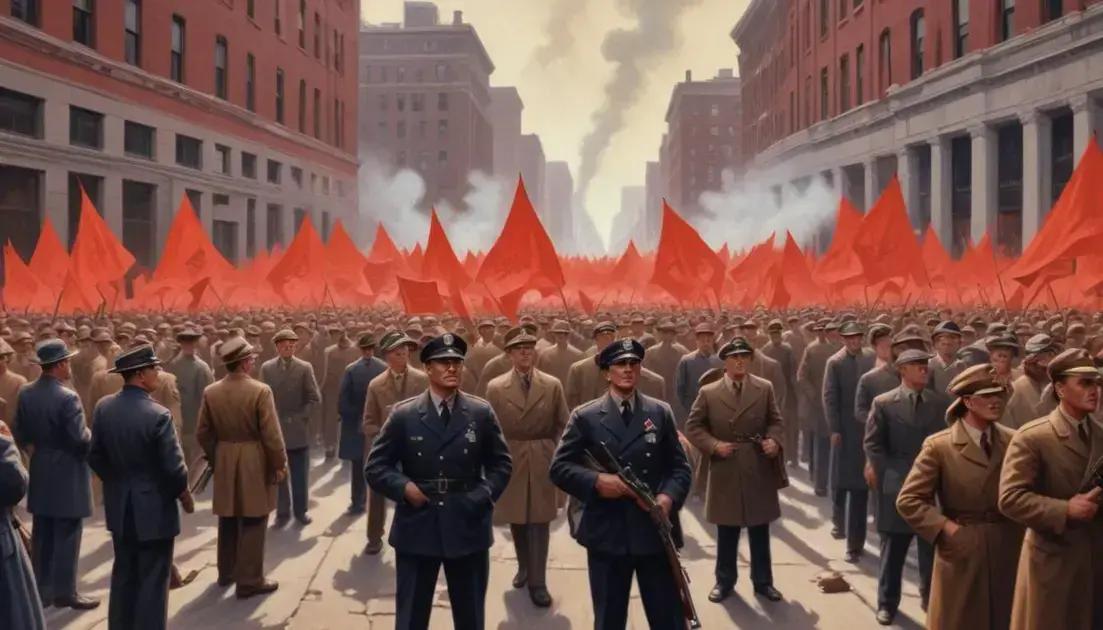
During the Cold War, the United States and the Soviet Union engaged in an arms race. Both nations built large stockpiles of nuclear weapons. They constantly worried about each other’s intentions. This led to widespread anxiety in the public. People often imagined what a nuclear war would mean for their lives.
The Cuban Missile Crisis
One significant event during this period was the Cuban Missile Crisis in 1962. This came very close to triggering a nuclear conflict. The world held its breath as leaders negotiated a resolution. It was a terrifying reminder of how quickly things could escalate into disaster.
Mutually Assured Destruction
The concept of Mutually Assured Destruction (MAD) became a key part of military strategy. The idea was simple: if one country launched a nuclear attack, the other would retaliate, ensuring total destruction for both. This strategy kept both sides from starting a war, but it also kept fear alive.
The Impact on Society
As nuclear weapons became more common, societies grappled with fear. Schools practiced drills for nuclear bomb attacks. Movies and books began to explore these themes, reflecting public anxiety. This cultural backdrop shaped how generations view nuclear threats.
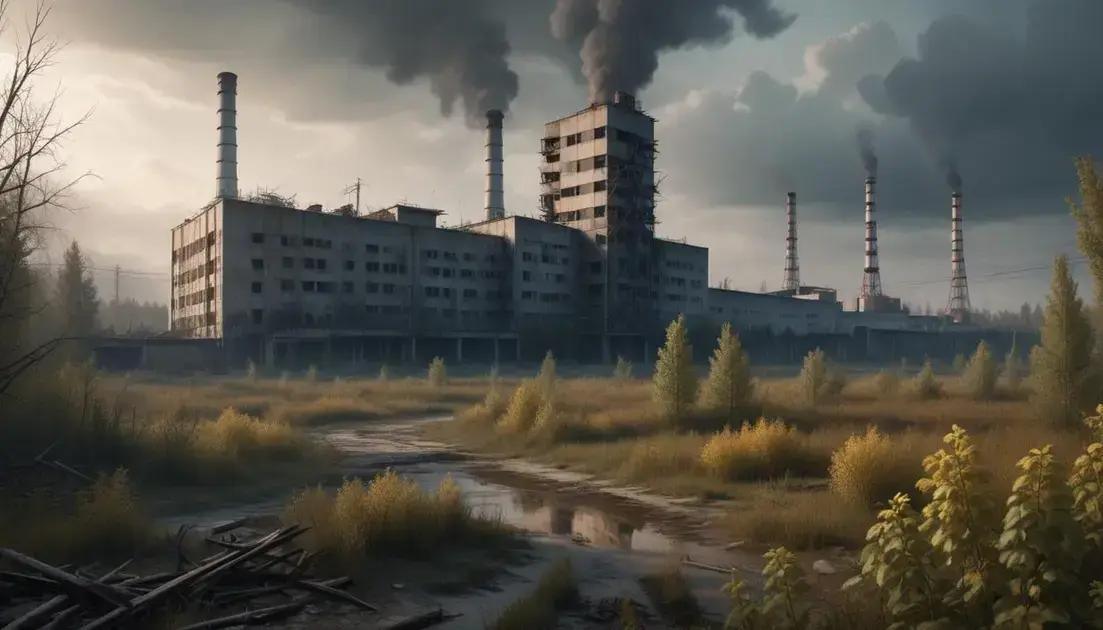
Even after the Cold War ended, the fear didn’t disappear. Today, concerns about nuclear weapons remain relevant. Nations like North Korea and Iran keep people worried about nuclear capabilities. The threat continues to be a major topic in global discussions about peace and security.
The Concept of Mutually Assured Destruction
The concept of Mutually Assured Destruction, or MAD, emerged during the Cold War. It means that if one nation uses nuclear weapons, the other will respond with equal force. This idea serves as a deterrent against nuclear war. Leaders feared total destruction if they engaged in conflict.
How MAD Works
The principle is simple: both sides have enough nuclear weapons to destroy each other. This creates a balance of power. If one side launches an attack, the other will retaliate. Such a response ensures that neither side would win.
The Psychology Behind MAD
MAD relies heavily on a psychological component. Leaders must believe that the other side will act rationally. This belief can prevent dangerous decisions during crises. However, it also raises concerns about miscalculations. In stressful situations, misjudgments could lead to catastrophic outcomes.
Critiques of MAD
Some critics argue that MAD is a risky strategy. They point out the dangers of accidents or unauthorized launches. Others note that it may not work with rogue states. Nations with fewer nuclear resources may act unpredictably, challenging the concept.
The Legacy of MAD
Despite its flaws, MAD has largely shaped nuclear strategy. It helped maintain a tense peace during the Cold War. However, as new nations develop nuclear weapons, questions about MAD’s effectiveness come up. The world still grapples with the implications of this dangerous balance.
Global Security and Nuclear Policies
Global security is heavily influenced by nuclear policies today. Nations craft these policies to protect their interests and maintain peace. Following World War II, the threat of nuclear conflict led to new strategies. Countries learned that cooperation is key to keeping peace.
The Role of Treaties
Treaties like the Nuclear Non-Proliferation Treaty (NPT) play a big role. This treaty aims to prevent the spread of nuclear weapons. It encourages disarmament and promotes peaceful uses of nuclear energy. Over 190 countries are part of it, showing global commitment.
Security Dilemmas
However, the world faces security dilemmas. As one nation builds its nuclear arsenal, others feel threatened. This can lead to an arms race, increasing global tensions. Each nation wants to ensure its safety while avoiding unnecessary escalation.
The Impact of Rogue States
Some nations, like North Korea, challenge global security. Their nuclear ambitions create fear and instability. The international community must find ways to address these threats. Diplomatic efforts aim to curb nuclear development and prevent conflict.
Future Challenges
The future of global security is uncertain. As technology evolves, new challenges arise. Cybersecurity threatens not just data but also the security of nuclear facilities. Nations must adapt their policies to tackle these emerging risks.
In this ever-changing landscape, cooperation will be crucial. Open dialogue and trust-building measures can prevent armed conflicts. Global security depends on the world working together to ensure a safe future.
The Psychological Impact of Nuclear Threats
The psychological impact of nuclear threats is deep and far-reaching. Many people feel anxious just thinking about nuclear war. Fear of destruction can affect daily life. It’s not just a distant worry; it’s a real concern for many.
Heightened Anxiety
Living under the shadow of nuclear weapons creates high levels of anxiety. People often worry about their safety and the safety of their loved ones. This constant fear can lead to stress and unrest in communities.
Media Influence
Media plays a big role in shaping public perception. Movies, news reports, and documentaries often highlight the devastation of nuclear war. This can amplify the fear and anxiety people feel. Constant exposure to grim stories can make the threat feel closer and more real.
Generational Effects
Generations growing up during the Cold War also experienced this fear. Schools held drills for nuclear attacks. Kids were taught what to do in case of an emergency. These lessons left lasting impressions and shaped their worldviews.
Impact on Mental Health
The stress from nuclear threats can lead to mental health issues. Anxiety disorders, depression, and even panic attacks can become common. The overwhelming feeling of helplessness can lead to a lack of control over one’s future.
The Need for Support
It’s important to seek support when dealing with these fears. Open conversations about nuclear threats can help ease worries. Community programs and mental health resources can provide the needed support. Understanding the situation can help reduce anxiety.
Future of Nuclear Powers
The future of nuclear powers holds many uncertainties. Countries with nuclear weapons continue to evolve their strategies. As technology advances, so do the challenges and threats associated with nuclear arms.
New Developments in Technology
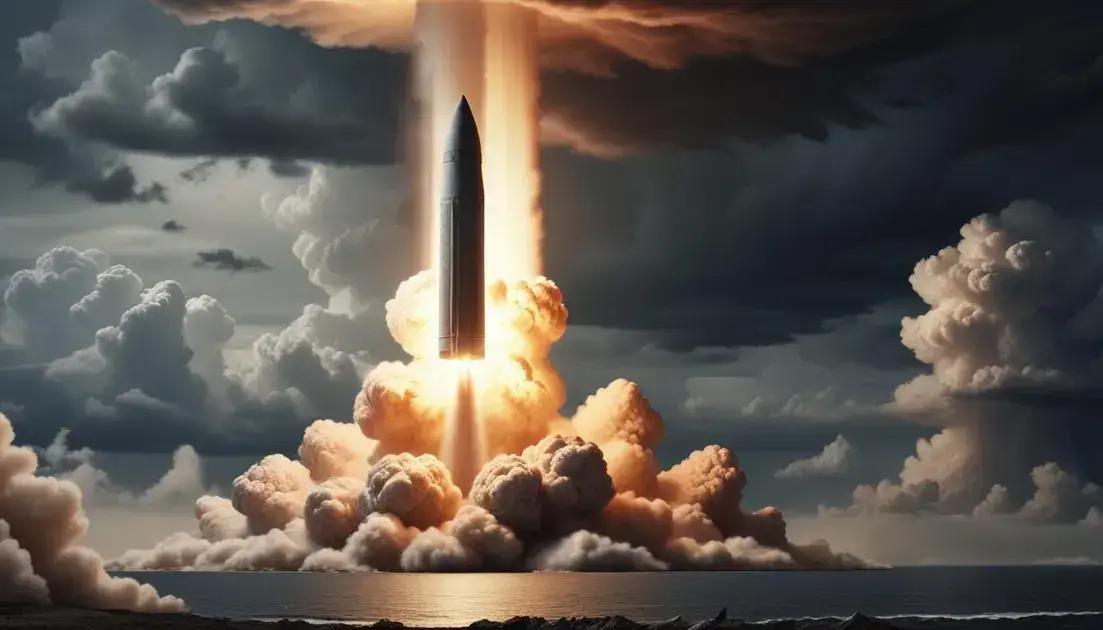
New technologies, such as hypersonic missiles, change the landscape. These weapons can fly faster than sound, making them harder to detect. Nations must adapt quickly to these advancements to maintain their security.
The Role of International Treaties
International treaties will remain vital in shaping the future. Agreements like the Treaty on the Non-Proliferation of Nuclear Weapons (NPT) seek to control the spread of nuclear arms. Continued commitment is necessary to prevent a renewed arms race.
Emerging Nuclear States
Countries like North Korea and Iran challenge the nuclear landscape. Their ambitions raise global concerns and fears. International diplomacy will be crucial in managing these threats. Nations must work together to find peaceful resolutions.
The Importance of Disarmament
Disarmament discussions will play a key role going forward. Many believe reducing arsenals is essential for global security. Fewer weapons mean less risk of conflict and accidents. Cooperation among nuclear and non-nuclear states is needed.
Public Opinion and Activism
Public opinion also affects the future of nuclear powers. Activism against nuclear weapons continues to grow. Many people advocate for a world without nuclear arms. Their voices can influence policy changes and government actions.
Conclusion
In conclusion, the future of nuclear powers is filled with challenges and opportunities. As nations navigate new technologies and emerging threats, cooperation will be crucial. International treaties play a vital role in regulating nuclear arms and promoting peace.
Public opinion and activism also shape the dialogue around nuclear weapons. The desire for disarmament is growing, reflecting a collective hope for a safer world. By working together, countries can address concerns and create a more peaceful future.
Understanding these dynamics helps us recognize the importance of global security. The ongoing commitment to dialogue and diplomacy is essential to ensuring a stable world for generations to come.
Tags: