Marathon: the battle that saved Greek democracy
The Battle of Marathon, fought in 490 BC, was a crucial moment in ancient Greek history. It symbolized the triumph of Athenian democracy against the invading Persian forces. The Greeks utilized smart tactics, such as the phalanx formation, to defeat a numerically superior army. This victory not only inspired the modern marathon race but also reinforced the values of unity, resilience, and democratic ideals, which continue to resonate today.
Marathon is not just a race; it’s a symbol of resilience. Are you ready to dive into a story that changed the course of history? Buckle up!
The background of the Persian invasion
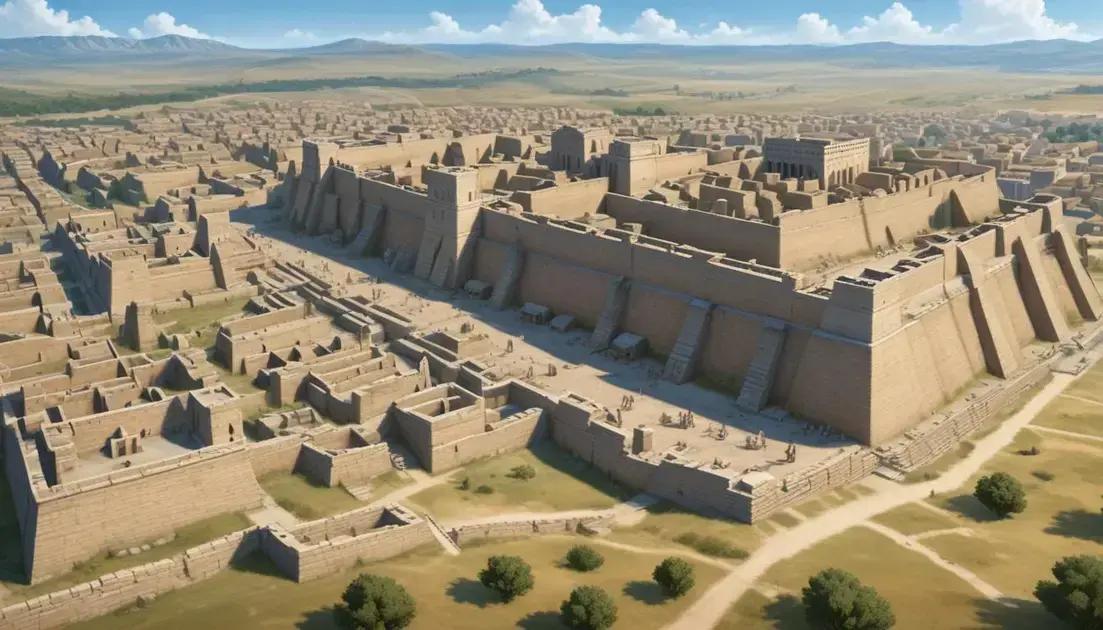
The Persian invasion began in 490 BC, driven by King Darius I’s desire to expand his empire. Darius aimed to punish Athens for supporting the Ionian cities that revolted against Persian rule. The Persians had a powerful army and advanced tactics, making them a formidable force.
The Greek city-states, on the other hand, were not united. Each city had its own government and interests. This division made it easier for Darius to plan his invasion. He saw Greece as a rich land filled with opportunities.
The Persians had already conquered many lands. They were used to fighting in various terrains, from deserts to mountains. Their experience gave them an edge in warfare. They employed tactics like flanking and using cavalry effectively, which were new to the Greeks.
As news of the invasion spread, panic set in among the Greeks. City-states realized they needed to band together. However, trust and cooperation were difficult. Athenians and Spartans, while rivals, understood the importance of a united front.
Some city-states chose to submit to Persian rule. They believed it was safer than fighting a powerful enemy. Yet, others, like Athens, decided to stand their ground. They rallied their citizens and prepared for the impending clash.
Significant Events Leading to the Invasion
Before the battle, Darius sent envoys to Greek city-states, demanding they surrender. The Greeks responded by executing the envoys, which angered Darius. This act of defiance further fueled his resolve to conquer Greece.
When the Persians arrived at Marathon, their goal was clear: to teach the Greeks a lesson for their insolence. The fate of Greece hung in the balance as the two forces prepared for war.
The tactics used at the Battle of Marathon
The Battle of Marathon took place in 490 BC. The Greeks faced a much larger Persian army. To win, they needed smart tactics. They used strategies that would surprise their enemies.
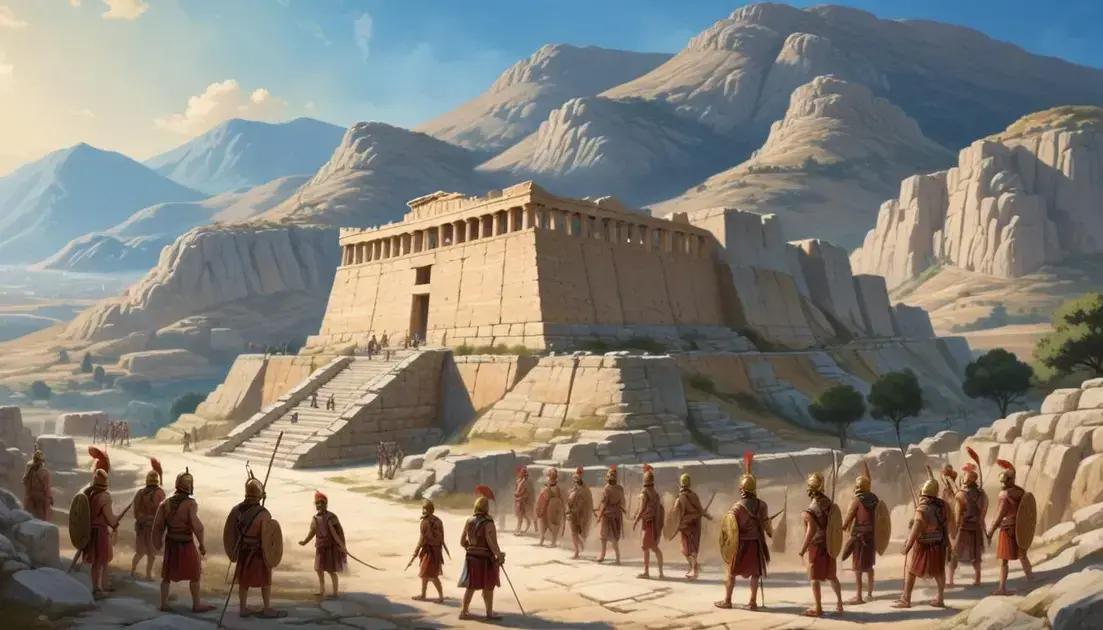
The Athenians decided to fight on the plains of Marathon. This area was open, allowing room to maneuver. They chose to gather troops from different city-states. Spartiates and Plataeans joined them, showing unity against Persia.
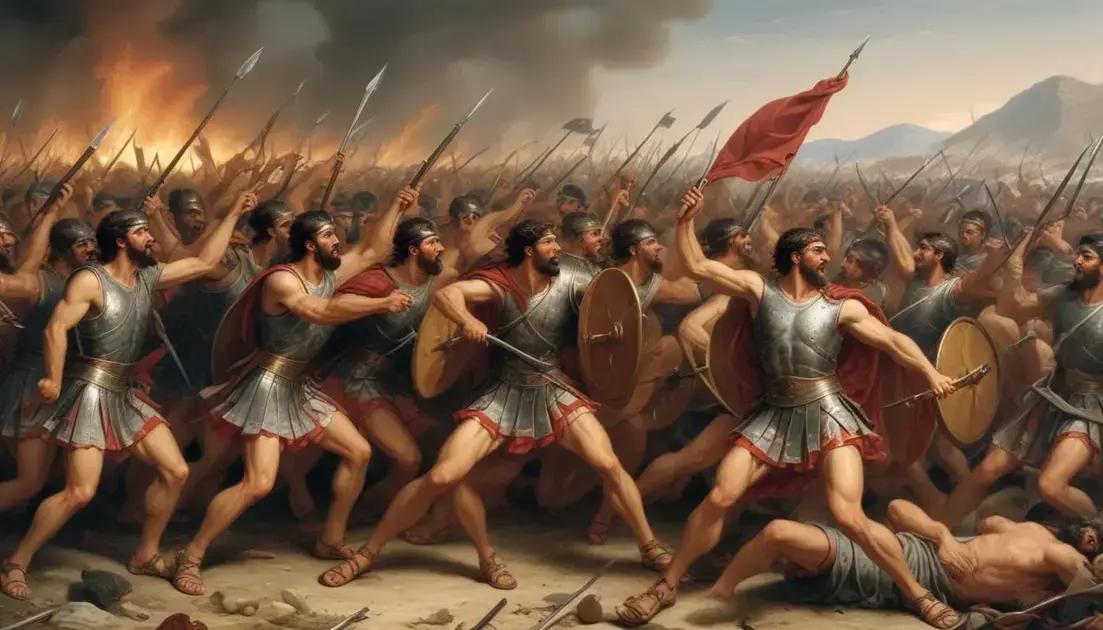
One key tactic was the phalanx formation. Soldiers lined up closely, shields locked together. This created a wall of protection. The phalanx was effective, especially against charges from the Persians.
The Greeks also used speed to their advantage. They ran towards the Persians, catching them off guard. The surprise attack led to confusion in the Persian ranks. The Greeks struck hard and fast, aiming for the center of the Persian line.
Another tactic was to hold back some forces. While most soldiers attacked, a small group defended the flanks. This kept Persian reinforcements from circling around them. Holding the sides allowed the Greeks to control the battle effectively.
After the initial clash, the Greeks pursued fleeing Persian soldiers. This not only secured a victory but also pushed them back to their ships. The Greek forces worked together well, showing their determination to protect their land.
These clever tactics played a significant role in the Greek victory. Even with fewer soldiers, their planning and teamwork made all the difference. The Battle of Marathon was a shining example of how strategies can change the outcome of war.
Key figures involved in the battle
The Battle of Marathon had several key figures who played important roles. Their actions shaped the outcome of this historical clash. Here are the main individuals you should know about:
Miltiades was the Athenian general leading the Greek forces. He was brave and smart, using tactics to counter the larger Persian army. Miltiades had previous experience from fighting in other battles. His leadership inspired the Athenians to stand strong against Persia.
King Darius I was the ruler of Persia at this time. He aimed to expand his empire and punish the Greeks. Darius sent a large army to attack Athens after the city helped rebels. His desire for revenge fueled the invasion of Greece.
Callimachus served as the polemarch, a high-ranking military official in Athens. He was important in organizing the Athenian forces. Callimachus supported Miltiades’ plan to attack the Persians directly. His decisions played a crucial role in the battle’s strategy.
Spartan forces also hold significance in this battle. Although they arrived late, their reputation for bravery and skill inspired the Greeks. The Spartans, especially under King Leonidas, were known for their fighting abilities. Their involvement showed the unity among Greek city-states in the face of a common enemy.
Artaphernes was the Persian commander overseeing the invasion. He led the forces into battle against the Athenians. His inability to adapt to Greek tactics contributed to the Persian defeat at Marathon.
Each of these figures had a unique influence on the battle. Their leadership, decisions, and actions are still remembered today as part of the story of Marathon. Together, they defined an important moment in history and shaped the future of Greece.
Consequences of the battle for Athens
The Battle of Marathon had significant consequences for Athens. It marked a turning point in Greek history. The victory boosted Athenian confidence and pride. The people felt united against a common enemy.
Athenian democracy grew stronger after the battle. Citizens realized their power when they fought together. This led to more participation in government. They saw that ordinary people could achieve great things.
Miltiades, the Athenian general, became a hero. His leadership and tactics were celebrated. People admired his bravery, and he gained fame throughout Greece. This inspired others to protect their city-states.
In response to the defeat at Marathon, the Persians sought revenge. Darius, the Persian king, planned further invasions. This threat forced the Greek city-states to unite and prepare for future conflict. It paved the way for alliances that would be crucial later.
The victory also allowed Athens to expand its influence. They grew more powerful and began to build an empire. Athens became a center of culture, trade, and politics. This laid the foundation for the Golden Age of Athens.
Moreover, the echoes of Marathon lasted for centuries. It symbolized courage and resilience in the face of overwhelming odds. The battle became a legendary story told through generations. It also inspired future military leaders worldwide.
Overall, the consequences of the Battle of Marathon shaped Athens and influenced the course of history. The battle not only changed Athens but also impacted the entire Greek world.
The legacy of the battle in modern times
The Battle of Marathon left a lasting legacy that resonates even today. It symbolizes courage against overwhelming odds. This battle inspired not just the Greeks, but people all over the world.
One major aspect of its legacy is the idea of democracy. The Athenians fought for their freedom to decide their own future. This victory helped establish the foundations of democratic ideals that many nations follow today.
The marathon race itself is another significant legacy. The modern marathon is inspired by the legendary run of Pheidippides, who ran from Marathon to Athens. This race now celebrates endurance and achievement, connecting people to this historic event.
Moreover, Marathon teaches the value of unity. Different Greek city-states came together to fight a common enemy. This spirit of collaboration among diverse groups remains relevant. It shows how teamwork can lead to success, even in challenging circumstances.
In military history, Marathon is often studied for its tactics. The strategies used by the Athenians are taught in military academies around the world. Leaders learn how a well-planned defense can overcome a larger force.
Additionally, the battle promotes the idea of resilience. The Greeks stood firm in their beliefs and fought for their homeland. This determination inspires people to stand up for their rights and values today.
The legacy of the Battle of Marathon continues to influence art, literature, and political thought. It serves as a reminder of the fight for freedom and the enduring human spirit.
Conclusion
In conclusion, the Battle of Marathon is more than just a historical event; it’s a symbol of courage, unity, and the fight for democracy. The bravery shown by the Athenians inspires people even today. Their victory changed the course of history and set the stage for the development of democratic ideals.
The legacy of Marathon lives on through modern marathons and the lessons of teamwork and resilience. These themes remind us that working together can help us overcome great challenges. The strategies used during the battle are still studied in military schools, proving that history continues to teach us valuable lessons.
As we reflect on the impact of the Battle of Marathon, we can appreciate its role in shaping our world. It serves as a reminder that fighting for our beliefs and staying united can lead to remarkable achievements. The spirit of Marathon encourages us to stand strong in our own lives and communities.
Tags: