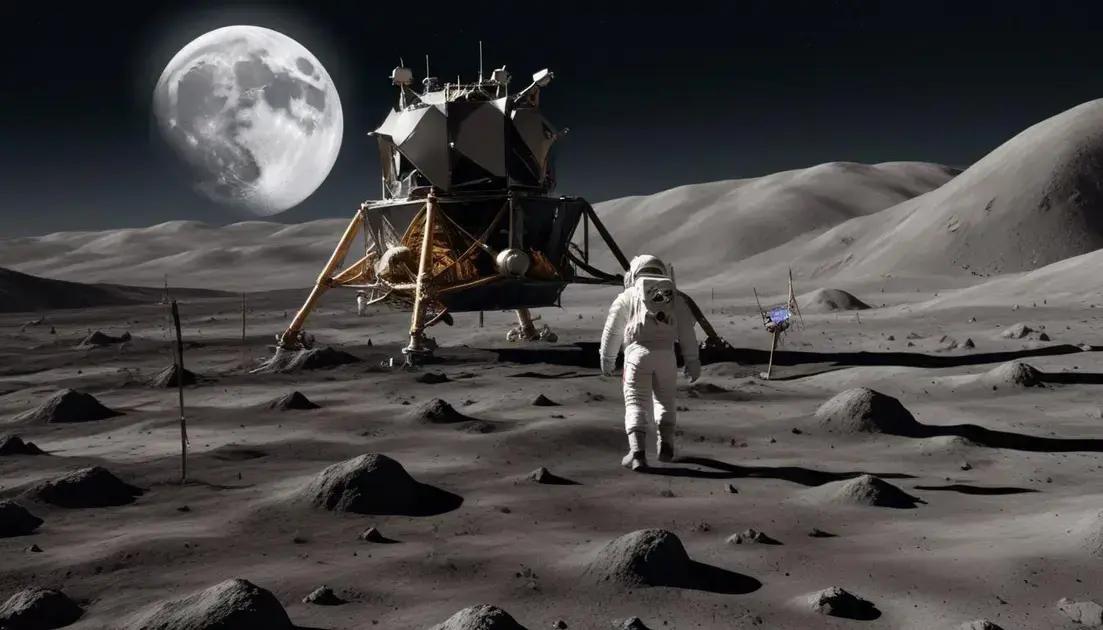
Mars and Beyond: The 21st Century Space Race
The future of space exploration is filled with potential as technological advances pave the way for human missions to Mars, commercial space travel, and deeper exploration of outer planets. Key players in this field include major space agencies and private companies, all working towards exciting goals. However, it’s crucial to address environmental concerns, such as rocket pollution and space debris, to ensure responsible exploration. By balancing innovation with sustainability, we can unlock the mysteries of the universe while protecting our home planet.
Space Exploration has entered a thrilling phase with global powers vying for dominance beyond our planet. Ever wondered what this means for the future?
The New Frontier: Who’s Involved?
Space exploration is really heating up, and many players are getting involved. It’s not just governments anymore; private companies are stepping up too. Countries like the United States and China are racing to dominate this new area beyond our planet.
Key Players
The U.S. has been a leader in space for decades, with NASA leading the charge. China’s space agency is also making big strides, planning missions to the Moon and Mars. Companies like SpaceX and Boeing are developing technology that allows commercial space travel and exploration.
What’s at Stake?
Countries are looking for strategic advantages. Control over space resources means power and influence on Earth. For example, mining asteroids for rare minerals could be a game-changer for technology and supplies.
International Collaboration
While competition is fierce, there’s also a lot of teamwork. International partnerships are forming to share knowledge and technology. The International Space Station is a great example of nations working together to explore space.
This new frontier of exploration is exciting. With so many parties involved, the future of space holds endless possibilities. Who knows what discoveries await us beyond our planet?
Technological Advances
Technological advances are pushing space exploration in exciting new directions. Tools and gadgets are becoming smarter and more effective. This means exploring distant planets is now possible.
New Rockets and Spacecraft
Modern rockets are designed to travel faster and carry heavier loads. The Space Launch System (SLS) is a powerful new rocket that can take astronauts beyond the Moon. Innovative spacecraft, like the Crew Dragon by SpaceX, can safely bring astronauts to the International Space Station.
Advanced Robotics
Robots play a massive role in space missions. They can explore places where humans can’t go yet. Rovers like Curiosity and Perseverance are exploring Mars’ surface. They send back valuable information about the planet’s conditions.
Artificial Intelligence in Space
AI is becoming a part of space travel too. Smart systems can analyze data in real-time. This helps scientists make quick decisions during missions. For example, AI helps rovers navigate tricky terrains.
Communication Technology
New technology is also improving how we communicate with space missions. Faster data transmission means we can receive images and information quickly. This real-time communication supports mission success.
All these technological advances are changing how we explore the universe. They make missions safer, faster, and more efficient. The future looks bright for space exploration!
Economic Implications
The economic implications of space exploration are huge. As countries invest in this field, they’re creating jobs and new industries. This means more opportunities for people all around the world.
Job Creation
Space exploration requires a diverse workforce. Engineers, scientists, and technicians are in high demand. This growth can lead to better job options and higher salaries in many regions.
Investment Opportunities
Investors are increasingly interested in space companies. These businesses offer chances for profit as they develop new technologies. Companies like SpaceX are leading the way, attracting big investments.
Boosting Local Economies
When space missions launch, they can boost local economies. Cities near spaceports see increased business activity. Hotels, restaurants, and retail stores benefit from the influx of visitors.
Impact on Technology
Investments in space often lead to technological advances. Innovations made for space can improve our daily lives. Technologies from space exploration have already influenced healthcare, telecommunications, and even transportation.
The economic benefits from space exploration are substantial. As nations and companies join in, the financial landscape is set to change. Exciting new paths for growth are emerging!
Environmental Concerns
Environmental concerns are an important part of space exploration. As we venture further into space, we must consider the effects on our planet. Launching rockets and building facilities can impact our environment.
Rocket Launch Pollution
Rocket launches can produce a lot of pollution. The fumes from rocket engines can harm the atmosphere. Different rocket fuels have different impacts on air quality and climate.
Space Debris
Space debris is another major issue. As rockets and satellites are launched, some parts end up floating in space. This debris can collide with other spacecraft, creating even more junk.
Resource Management
Mining asteroids or other celestial bodies raises questions about our resources. If done carelessly, it could harm potential ecosystems. We should explore responsibly to avoid unnecessary damage.
Protecting Earth
As we explore, we need to protect our own planet. Using sustainable technologies in space can help. Research is ongoing about how to make space missions greener.
Addressing these environmental concerns is crucial for the future of space exploration. We must aim to balance exploration with protecting our Earth.
Future Prospects
The future prospects of space exploration are exciting and full of possibilities. As technology advances, we can expect many new discoveries. Scientists and engineers are working hard to make these dreams a reality.
Human Missions to Mars
One of the biggest goals is sending humans to Mars. Agencies like NASA plan to land astronauts on Mars in the next decade. This mission will teach us about living on another planet.
Commercial Space Travel
Commercial space travel is on the rise. Companies like Virgin Galactic and Blue Origin are making it possible for people to visit space. Soon, space tourism may be available to everyone, not just astronauts.
Exploring the Outer Planets
We’re also getting ready to explore the outer planets. Missions to Jupiter and Saturn will help us learn more about their moons and rings. These missions can reveal secrets about our solar system.
Advancements in Space Technology
With ongoing advancements, we can expect better rockets and better equipment. Innovations in life support systems will make long-term space travel safer and more sustainable.
The future prospects in space exploration promise new adventures and knowledge. We’re just starting to scratch the surface of what’s out there!
Conclusion
In conclusion, the future of space exploration is bright and full of potential. With advancements in technology, we are set to achieve amazing goals. Missions to Mars and commercial space travel will change how we view our universe.
As we continue to explore, we must also think about the environment. Balancing our adventures in space with protecting our planet is essential. The research and discoveries made beyond Earth can lead to benefits right here at home.
Overall, the journey of space exploration is just beginning. The excitement for what lies ahead is palpable. Let’s keep our curiosity alive and support the efforts to uncover the mysteries of the cosmos.
Tags: