Middle East in the Cold War: Oil, Faith and Power
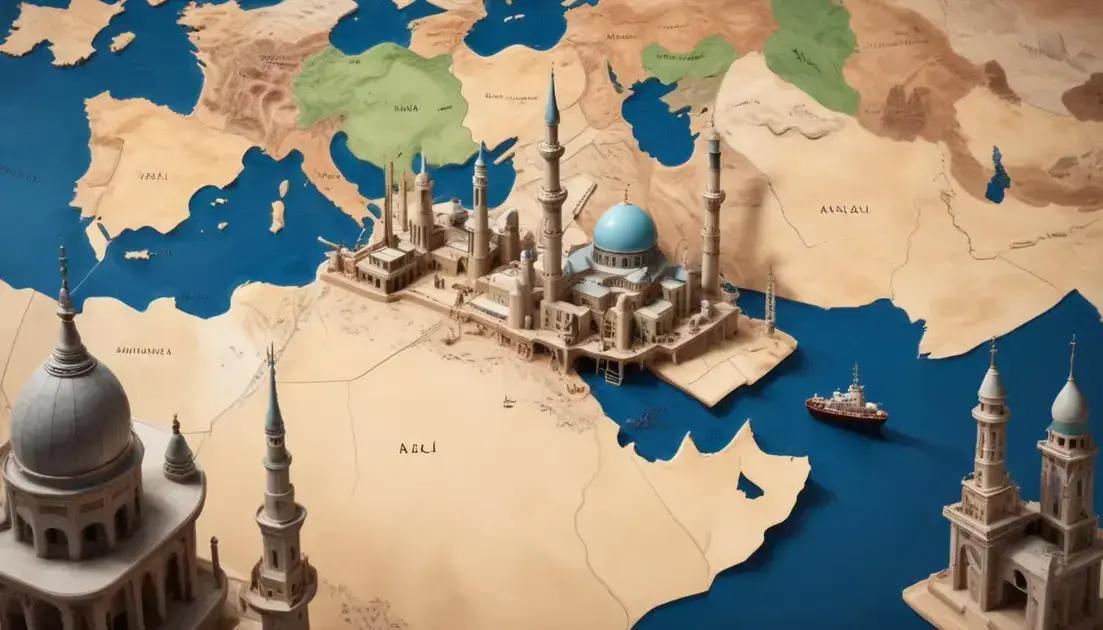
The Middle East is deeply influenced by historical events, particularly the Cold War, which shaped current conflicts involving key players like Israel, Egypt, Iran, and Saudi Arabia. These nations are intertwined with issues related to oil wealth and religious tensions, highlighting the complex dynamics at play. The region continues to be a focal point for global interest due to its vast natural resources, and understanding these factors is crucial for addressing ongoing challenges and promoting peace.
Middle East: a region defined by its complex geopolitics and rich resources. How does oil fuel power struggles and faith-driven conflicts? Let’s dive in!
Impact of Oil on Middle Eastern Politics
Oil has been a major factor in shaping politics in the Middle East. The region is home to some of the world’s largest oil reserves. This resource has attracted both local and international interest, as it is essential for economic growth and political power.
Many Middle Eastern countries rely heavily on oil exports. This dependence creates a complex web of relationships and tensions among nations. Countries like Saudi Arabia, Iran, and Iraq use oil not only to fuel their economies but also to assert influence over their neighbors.
Oil wealth often leads to power struggles. Governments use their resources to maintain control and foster loyalty among their citizens. Sometimes, this can result in conflict—both internally and externally. Countries may find themselves at odds over borders, resources, and alliances.
For example, the rivalry between Iran and Saudi Arabia is deeply rooted in oil politics. Each country tries to expand its influence in the region, often clashing in proxy wars and diplomatic disputes.
Oil has also influenced foreign policies. Nations outside the region, especially the U.S., have engaged in the Middle East to secure energy supplies. This involvement has, at times, complicated local dynamics and fueled further conflicts. Understanding the impact of oil is essential to grasping the ongoing challenges in the Middle East.
Religious Influences in Conflicts
Religion plays a powerful role in conflicts across the Middle East. Different beliefs and practices often drive the division between groups. Major religions in the region include Islam, Christianity, and Judaism, each with deep historical roots.
In many cases, religious identities shape national identities. This can lead to tensions and, at times, violent clashes. For example, Sunni and Shia Muslims often find themselves in conflict. These groups interpret their faith differently, which affects their politics and relationships.
Religious sites are also a major point of contention. Areas sacred to one religion might be claimed by another. This can lead to protests and violence. The city of Jerusalem is a prime example. It holds significant importance to Jews, Muslims, and Christians, fueling ongoing disputes.
Moreover, religious leaders can influence political decisions. They often guide followers and shape public opinion. When these leaders speak out, they can either calm tensions or intensify conflicts.
Understanding the role of religion is key to grasping the broader picture of conflicts in the Middle East. It’s not just about politics or geography; faith often intertwines with these issues, fueling disputes and shaping alliances.
Key Players: Israel, Egypt, Iran, and Saudi Arabia
Israel, Egypt, Iran, and Saudi Arabia are key players in Middle Eastern politics. Each country has its own interests and goals that often clash with one another. Understanding these nations helps explain the ongoing conflicts in the region.
Israel is a strong power, known for its advanced military and technology. It has a unique relationship with the United States, which affects its regional influence. Israeli policies often spark intense debates and tensions with neighboring countries.
Egypt plays a crucial role as a mediator. It has a peace treaty with Israel but also supports Palestine. The country faces internal challenges, yet it remains a central player in Arab politics. Egypt’s leadership can sway opinions and decisions across the region.
Iran, on the other hand, seeks to expand its influence through alliances and support for various groups. Its nuclear program has caused worry among many countries, including Israel and the U.S. Iran strives for regional dominance, which fuels conflicts with other nations.
Saudi Arabia, with its vast oil wealth, wields economic power. It aims to promote Sunni Islam and counter Iran’s influence. Saudi Arabia is also involved in various conflicts, especially in Yemen and against Iran-backed groups in the region. The rivalry between these nations often shapes the political landscape of the Middle East.
Global Interest in Middle Eastern Resources
The Middle East holds vast natural resources, especially oil and gas. These resources attract global interest from many countries. Major powers see the region as important for their energy needs and economic stability.
Oil is the primary resource that draws attention. Countries like the United States, China, and many European nations depend on Middle Eastern oil to fuel their economies. This reliance leads to intricate relationships with oil-producing nations.
In recent years, there’s been a growing interest in natural gas as well. Gas is now seen as a cleaner alternative to oil. Nations look to invest in and develop gas fields across the region. This has led to new explorations and partnerships.
Investments in technology and infrastructure are also on the rise. Global companies want to tap into the region’s resources while ensuring efficiency and sustainability. This has led to collaborations between local governments and foreign firms.
However, this global interest can bring tension. Conflicts over control of resources are common. Countries might engage in aggressive policies to secure their interests, leading to instability. Understanding the dynamics of these resources is key to comprehending current events in the Middle East.
Consequences of Cold War in Today’s Conflicts
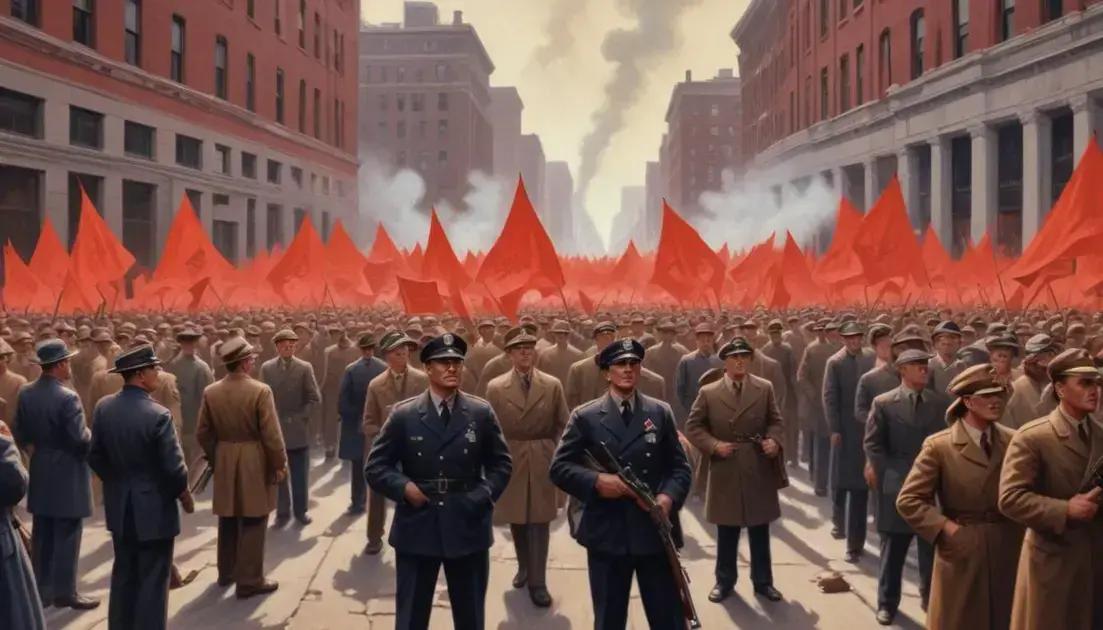
The Cold War shaped many conflicts we’re still seeing today. Although it ended decades ago, its impact lingers in the Middle East. Many countries still feel the effects of decisions made during this time.
During the Cold War, nations chose sides. Some supported the United States, while others turned to the Soviet Union. These alliances led to tensions that have not fully resolved. Countries often rely on old narratives that influence their current policies.
For example, the rivalry between Iran and Saudi Arabia partly stems from Cold War alliances. Iran aligns itself with groups seen as threats to Saudi interests. This has resulted in proxy wars that fuel ongoing conflict in areas like Yemen and Syria.
Many conflicts also have roots in foreign intervention. During the Cold War, powers intervened to secure influence. These actions have created long-lasting resentment and instability. Local factions have often risen in response to outside interference.
Moreover, military support granted during the Cold War continues to affect regional dynamics. Nations built strong military forces based on foreign backing. This has led to arms races and heightened tensions among rival countries.
Understanding these consequences is vital for grasping today’s conflicts. The past continues to shape the present, making it crucial to study the Cold War’s lasting impact on the Middle East.
Conclusion
In conclusion, the complex web of politics, religion, and resources in the Middle East stems from historical events like the Cold War. Understanding these factors helps us see why conflicts continue today. Key players like Israel, Egypt, Iran, and Saudi Arabia each play significant roles in shaping the region’s future.
The influence of oil and gas continues to draw global interest, leading to new alliances and tensions. Moreover, religious beliefs significantly impact conflicts, demonstrating how intertwined these issues are. By exploring these dynamics, we gain valuable insights into the ongoing challenges in the Middle East.
Clearly, to understand the present, we must consider history. As we look ahead, being aware of these influences will be key to finding solutions and promoting peace in the region.