Moors in Spain: the Islamic civilization of Iberia
The Moors significantly influenced Iberia’s architecture, science, and philosophy, creating a rich cultural legacy. Their contributions included stunning architectural designs, advancements in medicine and agriculture, and the blending of diverse cultures. This era fostered valuable exchanges between Muslims, Christians, and Jews, leading to enriched art, literature, and knowledge that still resonate today. Understanding the Moors’ impact is key to appreciating the cultural diversity and intellectual growth within historical Spain.
Iberia holds a vibrant history shaped by the Moors, whose profound influence still resonates today. Curious about their legacy? Dive in!
Historical Overview of the Moors
The Moors were a group of Muslim peoples from North Africa. They invaded the Iberian Peninsula in the early 8th century. This event led to the establishment of a new civilization that thrived for centuries.
The Arrival of the Moors
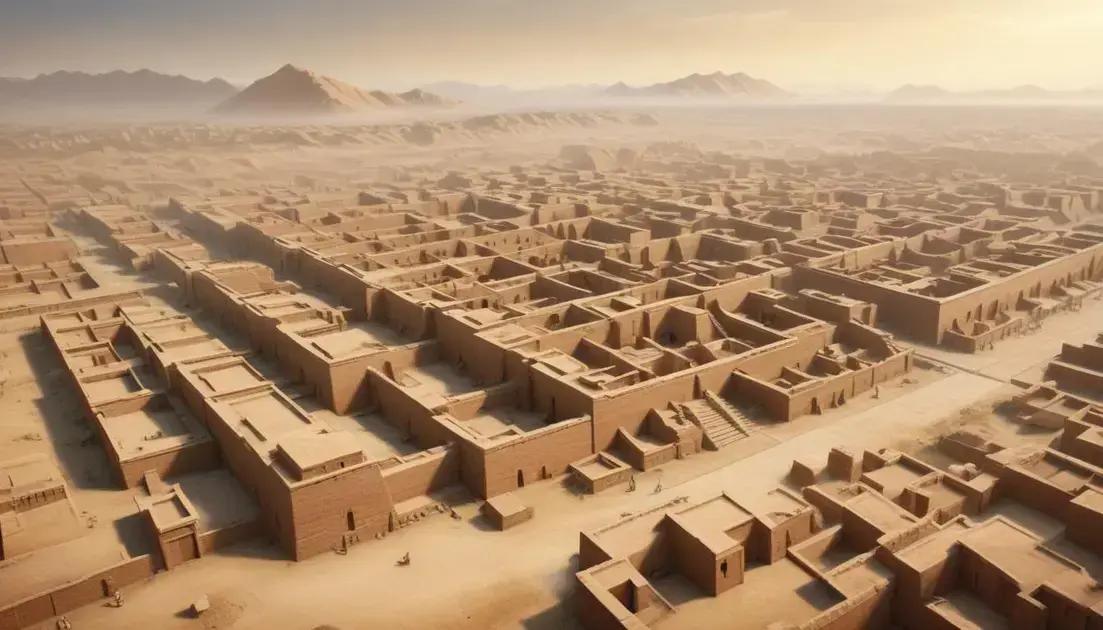
In 711 AD, the Moors crossed the Strait of Gibraltar. They quickly took over much of what is now Spain and Portugal. Their influence changed the culture, religion, and architecture of the region.
A Golden Age
The time of the Moors in Iberia is often referred to as a golden age. They made important advancements in science, medicine, and philosophy. Cities like Cordoba became centers of learning and culture.
The Cultural Impact
The Moors brought new agricultural techniques. They cultivated crops like rice, citrus fruits, and olives. Their knowledge significantly altered the landscape and economy of Iberia.
Architecture and Art
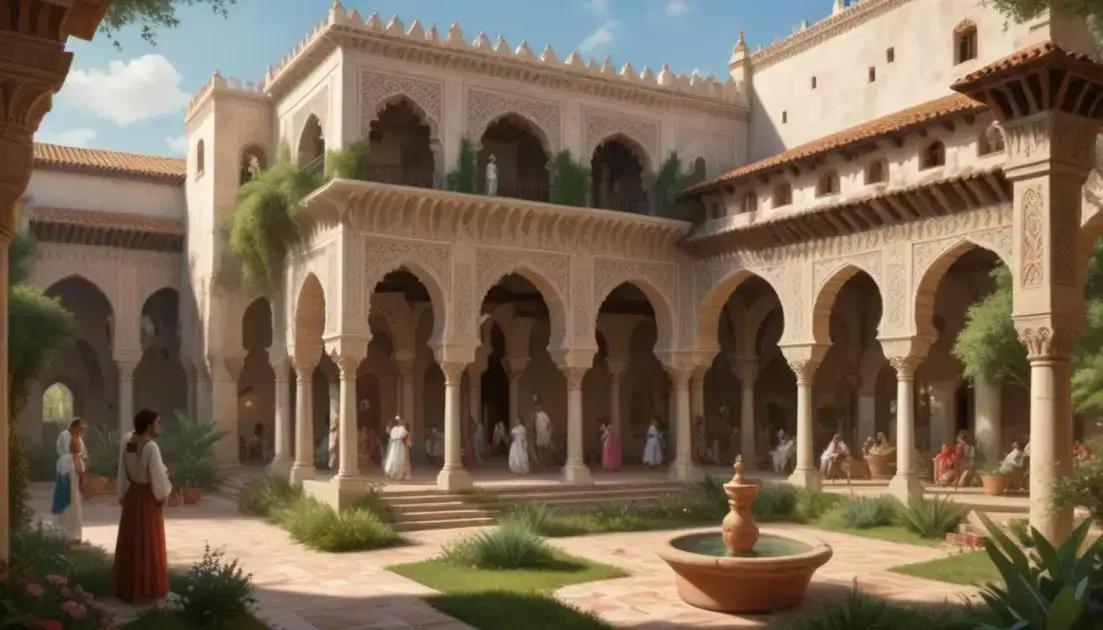
One of the most lasting legacies of the Moors is their stunning architecture. The Alhambra in Granada is a prime example. It features intricate tile work, beautiful gardens, and impressive fountains.
The Moors also influenced art through their unique designs. Patterns and calligraphy became popular during their rule. Today, these styles can still be seen in many places throughout Spain.
Influence on Architecture and Science
The Moors had a significant impact on both architecture and science in Iberia. Their unique styles and techniques are still admired today.
Architectural Innovations
One of the most notable contributions is their architecture. The Moors introduced intricate tile designs, arches, and fountains. Buildings like the Alhambra showcase their skill. These structures blend beauty with function, creating stunning spaces.
Science and Knowledge
In science, the Moors advanced fields such as mathematics and astronomy. They preserved ancient texts and added their discoveries. This knowledge spread throughout Europe, influencing future scholars.
Medicine and Agriculture
The Moors also excelled in medicine. They established hospitals with advanced medical practices. Their agricultural techniques improved crop yields. This brought new foods to the region, enriching the local diet.
Cities became hubs of learning. Moorish scholars exchanged ideas and knowledge with others. This collaboration boosted innovation in various fields.
Philosophical Contributions
The Moors made important contributions to philosophy during their time in Iberia. They blended ideas from different cultures and traditions.
The Influence of Islamic Philosophy
Moorish philosophers studied the works of ancient Greeks. They expanded on ideas from thinkers like Aristotle and Plato. Their insights helped shape modern philosophy.
Key Philosophers
Prominent figures like Averroes (Ibn Rushd) played a major role. He argued for the harmony of faith and reason. His writings influenced European scholars during the Renaissance.
Debates and Discussions
Philosophy flourished in places like Cordoba. Scholars from different backgrounds gathered to share ideas. They debated important topics such as ethics, existence, and the nature of knowledge.
This exchange of thoughts helped cultivate a rich intellectual environment. The Moors encouraged curiosity and critical thinking among their students.
Cultural Exchanges During the Era
Cultural exchanges flourished during the time of the Moors in Iberia. This period brought together diverse people and ideas.
Interactions Among Cultures
The Moors interacted with Christians and Jews. They shared knowledge in many fields like art, science, and philosophy. These exchanges enriched the cultural landscape.
Art and Literature
Moorish art influences can be seen in Spanish architecture. Poets and writers exchanged ideas across cultures. This led to new styles and forms in literature.
Language and Learning
Arabic words entered the Spanish language during this time. Terms related to science, math, and daily life became common. This blending of languages helped shape modern Spanish.
Schools and libraries thrived, becoming centers for learning. Students learned from many different traditions, fostering creativity and innovation.
Conclusion
In summary, the influence of the Moors in Iberia brought vibrant cultural exchanges that enriched society. Their contributions in architecture, science, and philosophy created a legacy still seen today.
The blending of cultures led to new ideas and innovations. From stunning buildings to advancements in learning, the era of the Moors shaped much of what we know about modern Spain. Understanding this history helps us appreciate how diverse backgrounds can come together to create something wonderful. As we reflect on this rich past, let’s recognize the value of sharing knowledge and fostering collaboration among different cultures.