Music and Freedom: Notes Against Censorship
Music has long served as a powerful tool for political movements, inspiring change and unity among people. Artists like Bob Dylan and modern performers use their melodies and lyrics to address social justice issues, making music an essential medium for expressing resistance and encouraging activism. In today’s landscape, censorship remains a concern, as musicians navigate pressures that could dilute their messages. Ultimately, the impact of melody in activism is profound, connecting emotions with collective action, and reminding us of the ongoing struggle for freedom and equality.
Music Freedom has always been a powerful tool for artists to express their thoughts and defy oppressive regimes. As we dive deeper, let’s explore how melodies serve as a form of political resistance.
The Evolution of Music as Resistance
Music has played a vital role in social movements throughout history. Artists often use their platforms to speak out against injustice. From the ballads of the past to today’s pop anthems, music serves as a voice for change.
Historical Roots
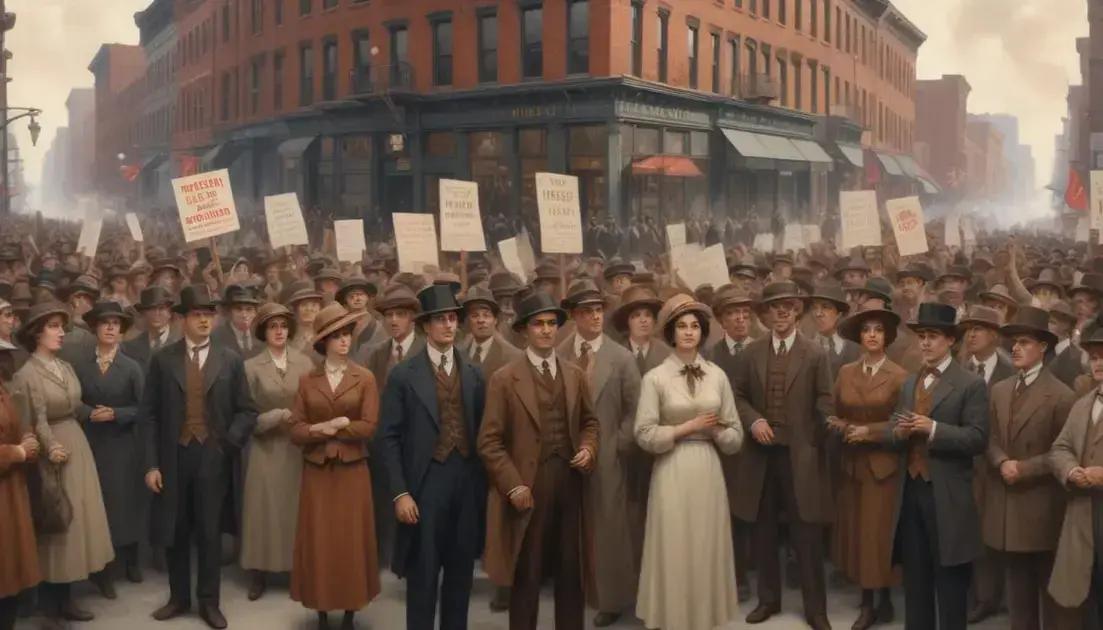
Many songs have emerged as powerful symbols of resistance. During the Civil Rights Movement, artists like Sam Cooke and Nina Simone used their music to inspire hope and unity. Their lyrics addressed racial injustice and called for equality.
Modern Music as Protest
Today, musicians continue to challenge the status quo. Songs by artists like Kendrick Lamar and Billie Eilish reflect societal issues. These artists highlight problems like racism, climate change, and mental health through their lyrics.
The Power of Lyrics
Lyrics often resonate with listeners on a personal level. They can bring attention to issues that many face every day. By sharing their experiences, artists can inspire listeners to take action and join the fight for change.
Music Festivals as Platforms
Music festivals have become spaces for activism. Events like Coachella and Glastonbury often feature artists who support social causes. These gatherings not only entertain but also promote awareness of important issues.
In essence, music embodies the spirit of resistance. It connects people and encourages movement towards a better world. As long as there are issues to address, music will continue to serve as a powerful tool for change.
Influential Artists and Their Message
Many artists have used their music to send strong messages over the years. They touch on important themes like freedom, equality, and love. This music resonates with fans and inspires action.
Bob Dylan’s Impact
Bob Dylan is one of the most influential artists in history. His songs, like “Blowin’ in the Wind,” question war and injustice. Dylan’s words encouraged many to think differently and sparked change during the 1960s.
Vysotsky’s Voice
In Russia, Vladimir Vysotsky became a symbol of resistance. His songs highlighted the struggles of everyday life. They challenged authority and spoke out against censorship. Vysotsky’s powerful lyrics still inspire artists today.
Contemporary Artists
Today, artists like Beyoncé and Childish Gambino continue this legacy. Their songs address topics like racial inequality and police brutality. By sharing personal experiences, they inspire listeners to stand up for their rights.
The Power of Music
Music can unite people around a common cause. It creates a sense of community and encourages dialogue. When fans connect with an artist’s message, they often feel empowered to make a difference.
Through their art, these musicians remind us of the struggles many face. Their examples show how creativity can challenge the status quo and inspire change.
Censorship in Today’s Music Scene
Censorship in music is still a major issue. Many artists face pressure to change their lyrics or themes. This can limit creativity and the message they want to share.
Current Examples
Today, several songs get pulled from airplay. Artists like Nicki Minaj and Cardi B have faced backlash for their lyrics. Critics argue that their music promotes negative messages.
The Role of Streaming Platforms
Streaming services also play a role in censorship. They may remove songs that don’t align with best practices. This can affect how artists reach their audience.
Impact on Expression
When artists censor themselves, the quality of music can suffer. It takes away the raw emotions that make music powerful. Audiences want to connect with real stories and struggles.
Advocating for Freedom
Many musicians stand up against censorship. They use their platforms to raise awareness. Songs about freedom of speech resonate strongly in today’s society.
Overall, the fight against censorship in music is crucial. It’s about preserving artists’ voices and allowing them to express themselves freely. Music has always been a tool for change and should continue to be.
The Impact of Melody on Political Movements
Melody plays a vital role in shaping political movements. It has the power to inspire and unite people. Songs can evoke strong feelings, encouraging action and solidarity.
Historical Influence
Throughout history, melodies have uplifted spirits during tough times. Music like “We Shall Overcome” became an anthem for the Civil Rights Movement. This song helped unify voices against injustice.
Modern Examples
Today, artists continue to use melody for political expression. Songs by artists like Kendrick Lamar and Janelle Monáe address racism, inequality, and more. Their melodies connect with listeners emotionally and provoke thought.
Emotional Connection
People often remember melodies long after hearing them. A catchy tune can spread messages quickly. This makes music a powerful tool for raising awareness about important issues.
Creating Change
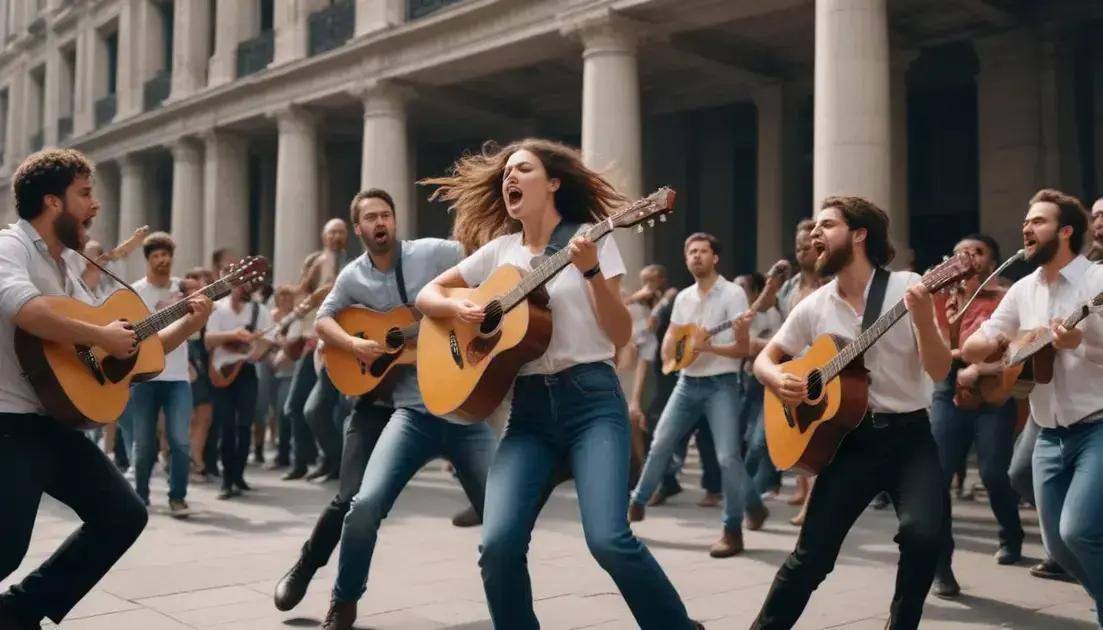
When music resonates, it can spark movements. It encourages people to gather and act together. Musicians inspire fans to stand up for their beliefs.
Melody helps blend emotion with action. As long as there are social issues, music will continue to be a voice for change.
Conclusion
In conclusion, melody plays a crucial role in political movements. It has the power to inspire people and unite them for a cause. Songs like “We Shall Overcome” and modern tracks from artists like Kendrick Lamar remind us of the strong connection between music and activism.
Music helps share important messages and encourages action. When people gather to sing meaningful songs, they feel empowered. This emotional bond can lead to real change in society. So, let’s continue to celebrate the power of melody in shaping our world.