Nazca Lines: the ancient geoglyph mystery
The Nazca Lines, ancient geoglyphs in Peru, reveal rich cultural and spiritual significance. Created by the Nazca people between 500 BCE and 500 CE, these lines may have served religious or agricultural purposes. Modern discoveries using drones and satellites have unveiled new geoglyphs and insights into their creation, but conservation remains a challenge due to environmental threats and increased tourism. Protecting these ancient wonders is crucial for preserving history and culture.
Nazca Lines are fascinating geoglyphs that stretch across the Peruvian desert, inviting countless theories about their purpose and origin. Are they rituals, astronomical calendars, or simply art? Join us as we explore this captivating enigma.
The History of the Nazca Lines
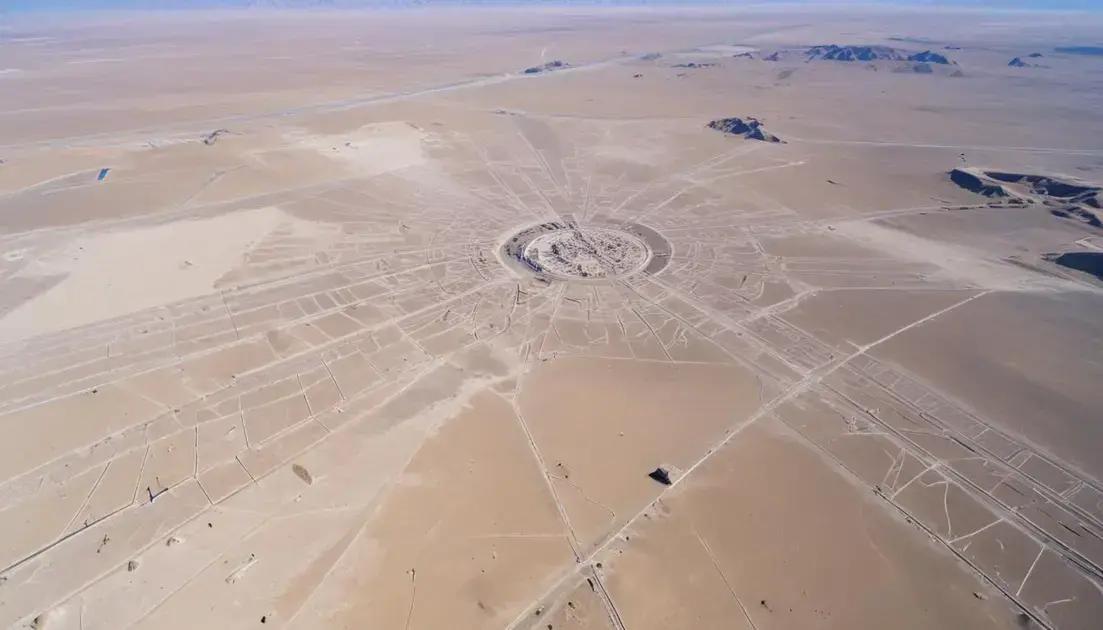
The Nazca Lines have a rich history that dates back thousands of years. These ancient geoglyphs were created by the Nazca culture between 500 BCE and 500 CE. The lines are vast shapes carved into the desert surface, and many researchers believe they hold special meaning.
Who Created the Nazca Lines?
The Nazca people are credited with these stunning designs. They lived in a dry area of southern Peru. To make the lines, they removed a layer of reddish-brown stones to expose the lighter soil beneath. This technique created a lasting contrast against the desert.
The Purpose Behind the Geoglyphs
What were the Nazca Lines used for? Many experts think they might have had religious or astronomical purposes. Some think they were paths for ceremonies or linked to water sources, which were crucial for agriculture.
Rediscovery of the Lines
Although the lines were created long ago, they remained largely unnoticed until the 20th century. In the 1930s, pilots flying over Peru began to spot them from the air. Their discovery sparked worldwide interest and many people started to study their meanings.
Today, the Nazca Lines attract tourists, historians, and archaeologists. Researchers continue to debate their origins and meanings, making them a captivating mystery.
Mysteries Surrounding the Geoglyphs
The Nazca Lines are filled with mysteries that puzzle researchers. Despite many theories, no one knows their true purpose. Some believe they are connected to the stars. Others think they were part of ancient rituals or ceremonies.
Different Theories about the Lines
One popular theory suggests the lines served as paths for rituals. The Nazca people might have created them to honor their gods. Another idea is they marked water sources. Water was vital for survival in the arid landscape.
Connection to Astronomy
Some researchers think the Nazca Lines are linked to astronomy. They align with certain stars and constellations. For example, some lines are said to point toward the sunrise during solstices. This suggests they had a celestial purpose for the Nazca people.
Modern Discoveries
New technology helps us understand the Nazca Lines better. Satellite images and drones reveal details that were unnoticed before. These tools show hidden lines and patterns, raising new questions and possibilities about their meanings.
As studies continue, more mysteries may unfold. The Nazca Lines remain a source of wonder for those curious about our past.
Cultural Significance of Nazca Lines
The Nazca Lines hold great cultural significance for the Nazca people. These amazing geoglyphs express their beliefs and values. Many think they reflect the connection the Nazca had to their gods.
Spiritual Connections
Some researchers believe that the lines were part of ancient rituals. They might have been pathways to sacred sites where ceremonies took place. This shows how the Nazca interacted with their spiritual world.
Artistic Expression
The creation of the Nazca Lines is also a form of art. The designs are intricate and unique, showcasing the artistic skills of the Nazca people. It’s a blend of creativity and cultural identity.
Agricultural Importance
Water was essential for agricultural success in the desert. Some theories suggest that the geoglyphs pointed to water sources. These lines may have guided farmers to vital resources for their crops.
Modern Day Impact
Today, the Nazca Lines are a symbol of Peru’s rich history. They attract tourists from all over the world. This interest brings attention to the importance of preserving this cultural heritage for future generations.
Modern Discoveries Regarding the Lines
Recent advancements in technology have unlocked new insights about the Nazca Lines. These discoveries have changed how we view these ancient geoglyphs. Researchers are now using drones and satellites for better exploration.
High-Resolution Imaging
Using high-resolution images, scientists can spot details that were once hidden. This technology reveals patterns and shapes that were not seen from the ground. It’s like peeling back layers of history.
New Geoglyphs Found
Surprisingly, many new geoglyphs have been discovered in recent years. Some are small, while others are vast and elaborate. These findings suggest that the Nazca culture may have been more extensive than previously thought.
Understanding Creation Techniques
Modern tools help us understand how the Nazca Lines were made. By analyzing soil samples, researchers believe they used simple tools and techniques. This shows how skilled and creative the Nazca people were.
Collaborative Research Efforts
Global researchers are working together to study the lines. Their diverse backgrounds bring fresh perspectives and ideas. This teamwork enhances our understanding of the lines’ significance and preservation needs.
Conservation Efforts and Challenges
The Nazca Lines face many challenges when it comes to conservation. These ancient geoglyphs are vulnerable to weather and human activities. Protecting them is vital for future generations.
Environmental Threats
Natural elements can harm the lines. Rain and wind wear down the surface over time. This erosion can slowly erase these important historical symbols from existence.
Human Impact
Tourism is booming in the area, but it brings risks. More visitors increase the chance of damage. Foot traffic can disturb the delicate soil. This makes it necessary to manage access to these geoglyphs carefully.
Conservation Initiatives
Many organizations are working to protect the Nazca Lines. They focus on monitoring and maintaining these sites. Awareness campaigns help educate the public on their importance.
Legal Protection
The Peruvian government has laws to preserve the lines. However, enforcement can be challenging. More support and resources are needed to ensure that these laws are effective and protective.
With ongoing conservation efforts, there is hope for the future of the Nazca Lines. Protecting these wonders must remain a priority for everyone.
Conclusion
In conclusion, the Nazca Lines are not just fascinating geoglyphs; they are a window into an ancient culture. Through modern discoveries, we’ve gained a better understanding of their significance. We learned about their cultural, spiritual, and agricultural roles in the lives of the Nazca people.
However, protecting these geoglyphs remains a challenge. Environmental threats and increasing tourism put them at risk. Conservation efforts are crucial to preserve the Nazca Lines for future generations. Together, by raising awareness and supporting preservation, we can ensure that these wonders continue to inspire awe and curiosity for years to come.