Neil Armstrong: the first man on the moon
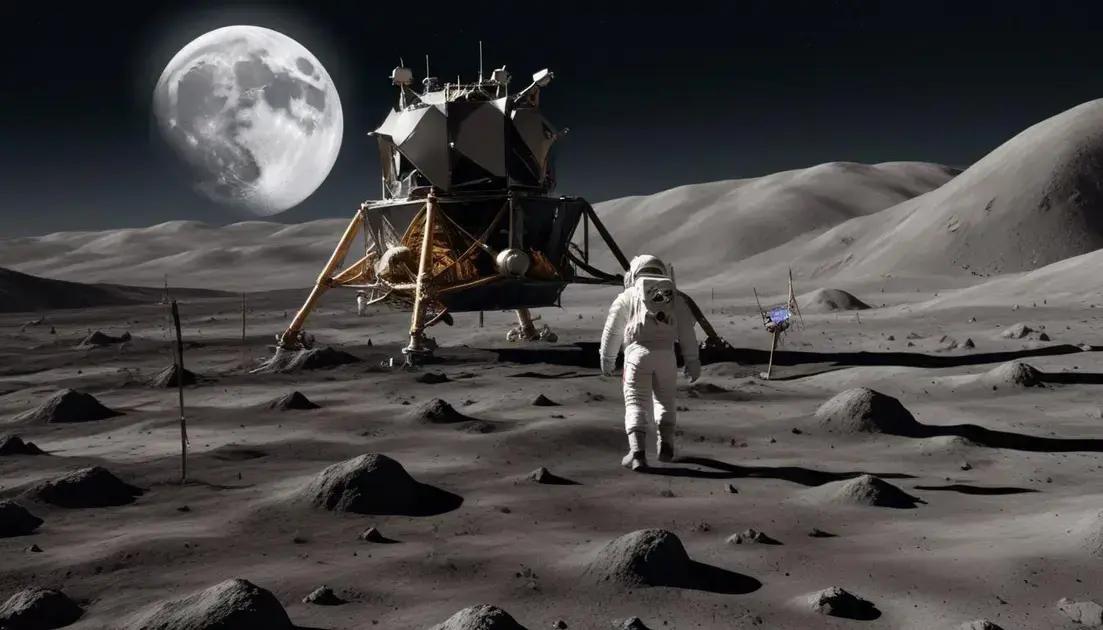
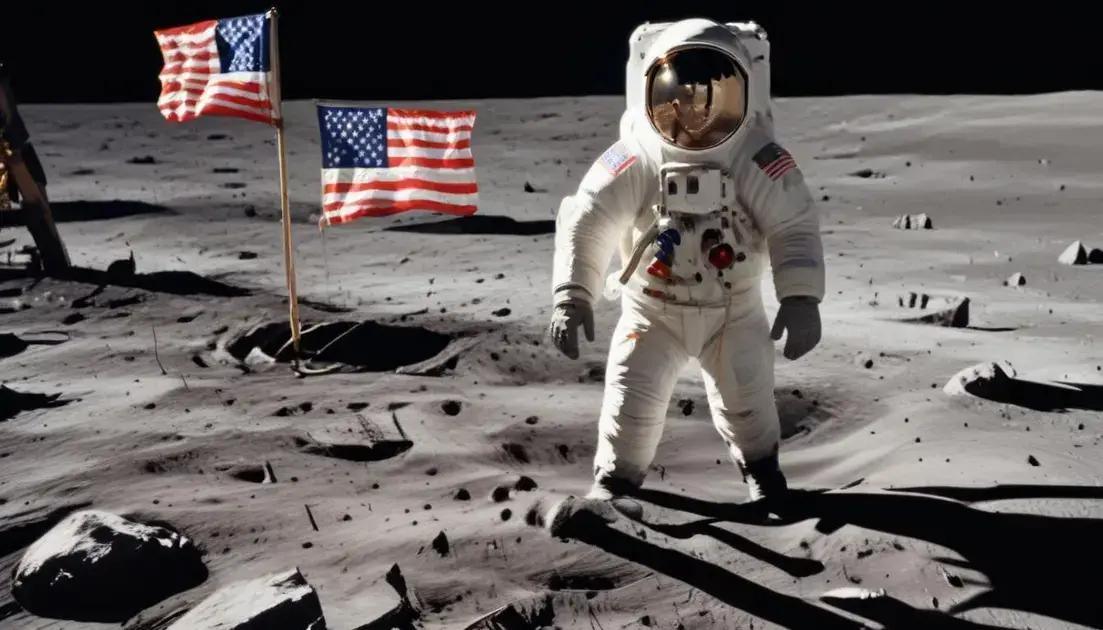
Neil Armstrong, the first man on the moon, inspired countless individuals with his historic Apollo 11 mission in 1969. His famous words, “That’s one small step for man, one giant leap for mankind,” symbolize human achievement in space exploration. Armstrong’s legacy continues to motivate future generations to pursue careers in science and technology, emphasizing the importance of imagination and persistence in reaching for the stars.
Neil Armstrong took that historic first step on the moon, changing the course of space exploration forever. His legacy inspires new generations to look up at the stars.
Introduction
Neil Armstrong was born on August 5, 1930. From a young age, he showed a deep interest in flight. He earned his pilot’s license before he even got his driver’s license. This early passion led him to become a naval aviator and later a test pilot.
Becoming an Astronaut
In 1962, Neil joined NASA as one of the first astronauts. He trained hard for space missions. His determination and skill made him a perfect fit for the early space program.
The Apollo 11 Mission
On July 20, 1969, Neil Armstrong made history. He was the commander of Apollo 11. He stepped onto the lunar surface and spoke the famous words, “That’s one small step for man, one giant leap for mankind.” This moment was watched by millions around the world.
Impact of the Moon Landing
This mission was about more than just science. It represented hope and dreams. It showed that humans could achieve the impossible. Neil’s success inspired many to pursue careers in science and engineering.
A Lasting Legacy
Neil Armstrong passed away on August 25, 2012, but his spirit lives on. He taught us to dream big and reach for the stars. His journey reminds us that exploration is at the heart of human nature.
Neil Armstrong’s Early Life
Neil Armstrong was born in Wapakoneta, Ohio. He grew up in a close-knit family. From a young age, he loved airplanes and flying. His first flight was at just six years old. This experience sparked his lifelong passion for aviation.
High School and Early Interests
In high school, Neil joined the school band and played the trumpet. He also took part in many activities, including theater and student council. He was not just focused on flying but also had a wide range of interests.
College Years
After high school, Neil went to Purdue University. He studied aeronautical engineering. To help pay for school, he worked part-time as a janitor. He learned a lot during those days and loved his studies.
Military Service
Neil joined the Navy and became a naval aviator. He flew combat missions during the Korean War. This experience gave him valuable skills as a pilot. After the war, he returned to school and completed his degree.
The Apollo 11 Mission
The Apollo 11 mission was a historic event for space exploration. Launched on July 16, 1969, it aimed to land humans on the moon. Neil Armstrong, Buzz Aldrin, and Michael Collins were the crew members. They trained for years to prepare for this journey.
Journey to the Moon
After leaving Earth, the spacecraft traveled about 240,000 miles. It took three days to reach the moon. The entire world watched as Neil and Buzz prepared to land.
Landing on the Moon
On July 20, Neil and Buzz landed in the Sea of Tranquility. Neil piloted the Lunar Module, the part that landed on the moon. This landing was tricky, but he did it successfully.
First Steps on the Moon
When Neil stepped onto the moon, he called it a “giant leap for mankind.” Buzz joined him shortly after. They planted the American flag and collected samples from the surface.
Returning to Earth
After spending about 21 hours on the moon, they returned to the Lunar Module. Then they reunited with Michael Collins in the command module. They all safely returned to Earth on July 24, 1969.
Significance of the Moon Landing
The moon landing changed everything for science and technology. It showed that humans could explore beyond Earth. Neil Armstrong and Buzz Aldrin became global heroes in 1969. Their successful mission inspired people all over the world.
Advancements in Space Exploration
The Apollo 11 mission paved the way for future space exploration. It sparked interest in science and engineering. More people started studying these fields, leading to new discoveries.
International Cooperation
The moon landing united people. It showed what we can achieve when we work together. Scientists and engineers from many countries collaborated on space missions after Apollo 11.
Cultural Impact
The event left a lasting mark on our culture. Movies, books, and songs were inspired by the moon landing. It became a symbol of hope and exploration for everyone.
Technological Innovations
Many technologies we use today came from space programs. Innovations like satellite communication and GPS have roots in lunar exploration. These advancements benefit our daily lives in many ways.
Legacy of Neil Armstrong
Neil Armstrong’s legacy is far-reaching and inspiring. He showed the world the power of determination. His famous words, “That’s one small step for man, one giant leap for mankind,” still resonate today.
Inspiration for Future Generations
Neil’s journey has inspired countless individuals to pursue careers in science and technology. Many young people dream of becoming astronauts because of his achievements. He proved that with hard work, anything is possible.
Advancements in Space Exploration
After his moon landing, space exploration advanced rapidly. Armstrong’s accomplishments motivated nations to invest in space programs. This led to more missions and important discoveries beyond Earth.
Education and Outreach
Neil dedicated much of his life to education. He spoke to students, encouraging them to explore and ask questions. His passion for learning inspired others to appreciate science and math.
Honors and Recognition
Armstrong received many awards, including the Presidential Medal of Freedom. His name is associated with courage and exploration, reminding us of human potential. Statues and memorials honor his incredible contributions.
Conclusion
In conclusion, Neil Armstrong’s journey not only marked a turning point in space exploration but also inspired generations. His historic moon landing showed us the incredible things we can achieve when we dream big and work hard.
Armstrong’s legacy continues to motivate young people to pursue careers in science and technology. As he once said, it’s important to take that “one small step” towards your dreams, no matter how big they may seem. By looking up at the stars, we remember the spirit of exploration and innovation that he embodied.
Today, his influence is felt around the world. As we continue to explore beyond our planet, we can honor his achievements by pushing the boundaries of what is possible. Let’s keep reaching for the stars, just like Neil Armstrong did.