New Kingdom: Egypt’s golden age of pharaohs
The New Kingdom of Ancient Egypt is known for its impressive architectural achievements, rich artistic legacy, and profound religious beliefs. This era saw the construction of monumental temples, advancements in art and literature, and a focus on the afterlife and mummification practices. Significant pharaohs like Hatshepsut, Thutmose III, and Ramses II played crucial roles in expanding the empire and enriching its culture. The innovations and cultural developments of the New Kingdom continue to influence modern understanding of ancient civilizations, making it a fascinating topic for history enthusiasts.
Welcome to the fascinating world of Ancient Egypt, where the New Kingdom stands as a testament to the mighty pharaohs and their divine rule. Let’s explore this golden age together!
The Rise of the New Kingdom
The Rise of the New Kingdom marked a vital time in Ancient Egypt. It began around 1550 BCE after the chaos of the Second Intermediate Period. This era saw Egypt achieve great power and wealth.
Establishment of the New Kingdom
The New Kingdom started with Ahmose I, who drove out the Hyksos rulers. He reunited Egypt and laid the foundation for a new golden age. This was crucial for bringing stability back to the land.
Pharaohs Who Made a Difference
Powerful pharaohs like Hatshepsut, Thutmose III, and Ramses II led Egypt to greatness. Hatshepsut was one of the few female pharaohs, and she ruled wisely. Thutmose III expanded Egypt’s territory, making it a significant empire.
Military Strength and Expansion
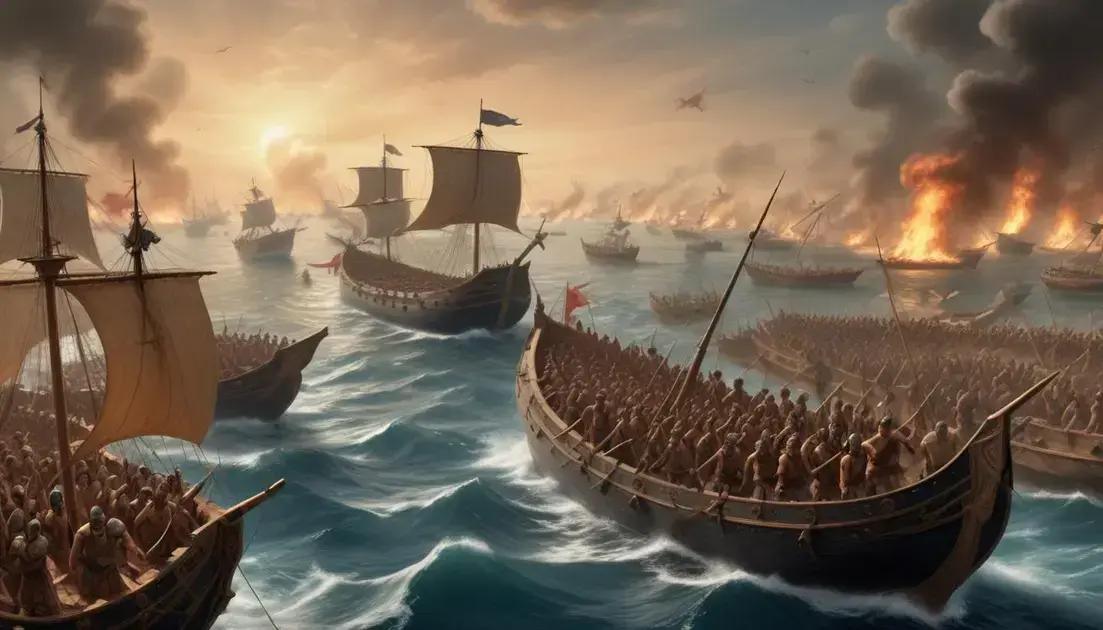
The military played a key role in the New Kingdom’s rise. Pharaohs built strong armies that conquered neighboring lands. They secured trade routes and increased wealth for Egypt. These campaigns also spread Egyptian culture far and wide.
Building Projects and Architectural Marvels
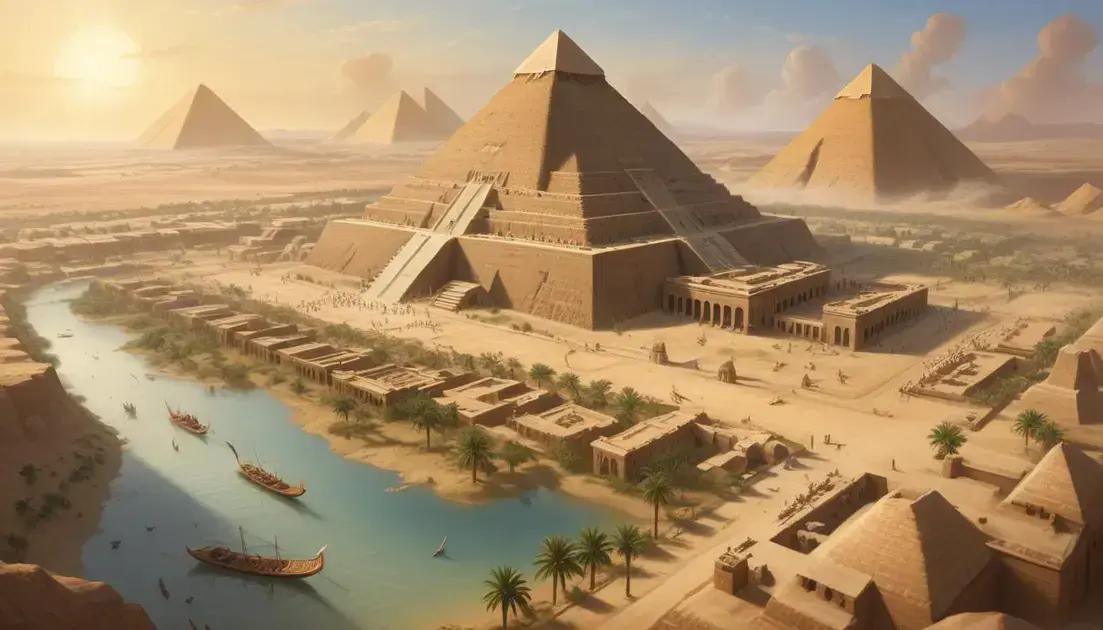
During this time, Egypt saw incredible building projects. Massive temples and monuments were constructed to honor the gods. The most famous is the Temple of Karnak, known for its stunning columns and intricate carvings.
Economic Growth and Trade
Trade flourished in the New Kingdom. Egypt traded goods like gold, papyrus, and linen with neighboring regions. This trade brought in riches and helped Egypt become a cultural center.
Key Pharaohs and Their Accomplishments
Ancient Egypt’s history is filled with powerful leaders known as pharaohs. Each pharaoh left a unique mark on Egypt during the New Kingdom. Their accomplishments shaped the nation and its culture.
Hatshepsut: The Female Pharaoh
Hatshepsut was one of the first women to rule as pharaoh. She focused on trade, making Egypt richer. Hatshepsut also built magnificent temples, like her mortuary temple at Deir el-Bahari, which still amazes people today.
Thutmose III: The Conqueror
Thutmose III is often called the greatest pharaoh of Egypt. He conquered many lands, including parts of Nubia and Syria. This expansion made Egypt a powerful empire. He also loved art and left behind stunning wall reliefs in temples.
Ramses II: The Great Builder
Ramses II, known as Ramses the Great, ruled for 66 years. He is famous for his incredible building projects. The temples of Abu Simbel are among his greatest achievements, carved into rock and full of detail.
Akhenaten: The Reformist Pharaoh
Akhenaten is known for changing Egypt’s religion. He focused on one god, Aten, rather than many. This made a big impact on Egyptian beliefs. His reign led to unique art styles that appeared during this time.
Tutankhamun: The Boy King
Tutankhamun, also known as King Tut, became pharaoh at a young age. His tomb, found in 1922, was filled with treasures. His rule restored old religious practices, which earned him much respect.
Cultural Developments and Innovations
The New Kingdom was a time of great cultural developments and innovations in Ancient Egypt. Art, religion, and daily life flourished during this period. Egyptians made remarkable advancements that still inspire us today.
Art and Architecture
Art reached new heights during the New Kingdom. Artists created beautiful tomb paintings, sculptures, and jewelry. Temples were grander and more elaborate than ever before. The architecture of the temples showed the skills of the builders, with tall columns and detailed carvings.
Literature and Writing
Literature also thrived, and many works were produced. Egyptians wrote stories, religious texts, and poetry. The use of hieroglyphics expanded, allowing more people to record and share knowledge. These writings tell us much about their beliefs and daily life.
Religious Practices
Religion played a central role in culture. The Egyptians built many new temples to honor their gods. Festivals became important events, bringing people together to celebrate their faith. These practices connected the community and reinforced their beliefs.
Innovations in Technology
Innovations in technology were also significant. Egyptians developed advanced tools for farming and construction. They mastered the use of the plow and irrigation techniques, which allowed them to grow excess food. This, in turn, supported a larger population.
Fashion and Daily Life
Fashion saw changes as well, with new styles and designs. People wore beautiful jewelry and fine clothing. Daily life included innovations in cooking and crafts, leading to more creativity in households. These changes made life more enjoyable for everyone.
Religious Beliefs and Practices
Religious beliefs and practices were at the heart of Ancient Egyptian life. Egyptians had a rich spiritual world with many gods and goddesses. They believed these deities influenced every part of life.
The Pantheon of Gods
Egyptians worshipped a wide range of gods. Some of the most important included Ra, the sun god, and Osiris, the god of the afterlife. Each city often had its own patron deity.
Temples and Worship
Temples were vital for worship. These were large buildings dedicated to specific gods. Priests conducted rituals daily to honor them. They offered food, incense, and prayers to gain favor.
Life After Death
Belief in the afterlife was strong. Egyptians thought that the soul lived on after death. They prepared for the next world by burying their dead with goods, including food and treasures.
Mummification Process
The process of mummification was crucial. It preserved the body for the afterlife. This involved removing organs, drying the body, and wrapping it in linen. This practice reflected their belief in living on after death.
Festivals and Celebrations
Religious festivals were major events. People gathered to celebrate their gods through music, dancing, and feasting. These occasions fostered community spirit and devotion.
Influence of Religion on Daily Life
Religion influenced daily activities, from farming to building. Many Egyptians sought blessings for their crops or protection for their families. Religion was truly woven into the fabric of their lives.
Legacy of the New Kingdom
The legacy of the New Kingdom in Ancient Egypt is vast and influential. This era set the stage for Egypt’s greatness. The accomplishments from this time continue to fascinate us today.
Architectural Wonders
The New Kingdom is known for its stunning architectural achievements. Massive temples and tombs were built, showcasing advanced building techniques. The temples of Karnak and Luxor are prime examples of this grandeur.
Artistic Achievements
Art flourished during this period. Artists created magnificent sculptures, paintings, and jewelry. Their work reflects not only the skill of the craftsmen but also the rich culture of the time.
Religious Influence
Religion played a major role in shaping Egyptian identity. Many of the gods and practices developed then are still recognized today. The emphasis on the afterlife led to elaborate burial practices and tomb designs.
Written Records
The New Kingdom produced significant written records. These include religious texts, poetry, and historical documents. The advancements in writing systems helped preserve knowledge for future generations.
Impact on Future Dynasties
Many later dynasties looked back at the New Kingdom for inspiration. Their achievements set a standard for future rulers. The strengths of the New Kingdom influenced political and cultural developments for centuries.
Tourism and Modern Interest
Today, the New Kingdom’s legacy attracts tourists from all over. People come to see the ancient ruins, temples, and artifacts. This interest helps keep the rich history alive and teaches new generations about Egypt’s past.
Conclusion
In conclusion, the New Kingdom of Ancient Egypt left a lasting legacy that still captivates us today. Its architectural wonders, artistic achievements, and religious beliefs shaped not just Egypt but also influenced cultures around the world. The stories from this time reveal a rich history filled with innovation and creativity.
From the impressive temples of Karnak to the intricate works of art, the New Kingdom showcases the greatness of a civilization. Today, the fascination with this period continues to draw people to Egypt’s ancient sites. Understanding this legacy helps us appreciate the depth and complexity of human history.
Ultimately, the New Kingdom reminds us of the power of culture, creativity, and belief. These elements continue to resonate, showing us how a remarkable past can inspire future generations.