Non-Aligned Countries: The Third Way of the Cold War
The Non-Aligned Movement, founded during the Cold War, aimed to provide a voice for countries that chose not to align with superpower blocs. Key leaders like Jawaharlal Nehru and Gamal Abdel Nasser advocated for independence and cooperation, allowing nations to assert their own paths. Today, the movement’s principles remain relevant as nations face global issues like climate change and economic inequality, emphasizing dialogue over conflict and promoting unity among countries.
In the Cold War context, the Non-Aligned Movement emerged as a unique diplomatic strategy, offering nations a chance to forge their own path between superpowers. Could this approach hold valuable lessons for today’s geopolitical landscape?
Understanding Non-Aligned Movement
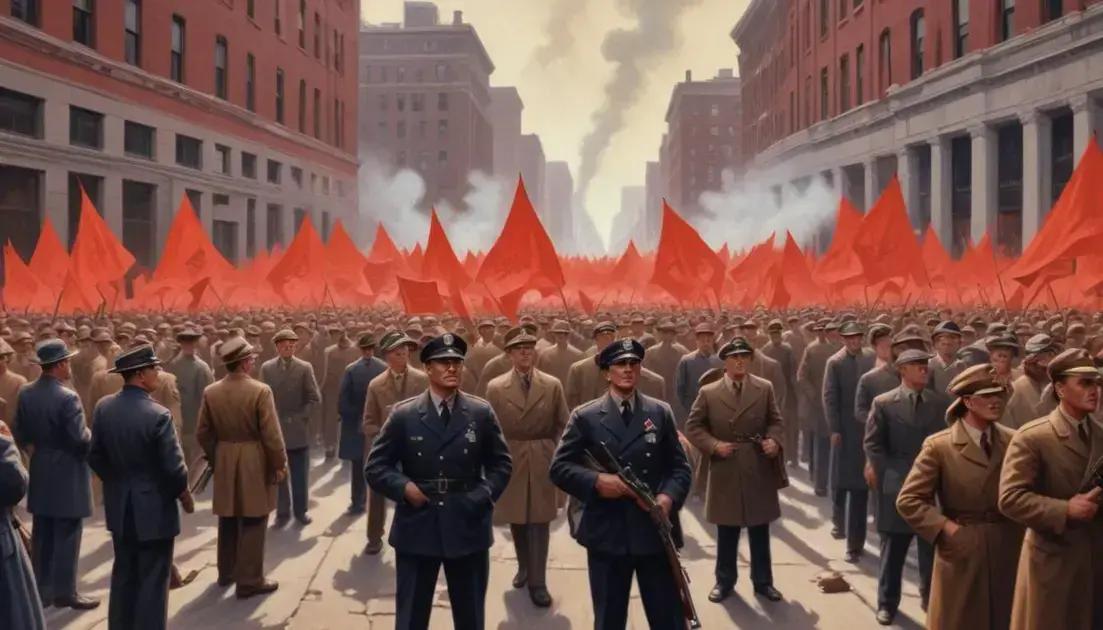
The Non-Aligned Movement was started during the Cold War. It aimed to create a path for countries that didn’t want to choose sides. These nations wanted to avoid being pulled into the struggle between the USA and the USSR.
This movement is more than just a historical event. It symbolizes a desire for independence. Many countries felt they should make their own choices without outside pressure. Leaders like Jawaharlal Nehru, Gamal Abdel Nasser, and Josip Broz Tito played big roles in forming this movement.
The Non-Aligned Movement focused on cooperation, peace, and development. Countries under its banner worked together on various global issues. They held meetings to discuss their interests and concerns.
Members of the Non-Aligned Movement participated in many international platforms. They advocated for disarmament and stressed the importance of economic development. The movement helped smaller nations raise their voices on the world stage.
Today, the legacy of the Non-Aligned Movement continues. Many countries still reference its principles as they navigate global politics. They strive to find a balance and advocate for peace and cooperation.
Key Leaders of the Non-Aligned Countries
Several key leaders shaped the Non-Aligned Movement. These individuals had a strong vision for their countries. They aimed to create a world where nations could choose their own paths.
Jawaharlal Nehru was India’s first Prime Minister. He believed in equality and peaceful coexistence. Nehru played a crucial role in bringing countries together.
Gamal Abdel Nasser, the President of Egypt, was another important figure. He inspired many nations in Africa and the Middle East to join the movement. Nasser pushed for Arab unity and independence from Western influence.
Josip Broz Tito, the leader of Yugoslavia, was central to the movement too. He advocated for socialism that wasn’t aligned with either the West or the East. Tito was a strong believer in self-determination for nations.
Kwame Nkrumah of Ghana also played a vital role. He emphasized African unity and fought against colonialism. His vision helped many African nations gain independence.
These leaders, among others, worked hard to promote peace and cooperation. They set a foundation that allowed smaller nations to express their interests. Their legacy continues to inspire countries today.
Impact on Global Politics
The Non-Aligned Movement affected global politics in many ways. It encouraged countries to think independently without superpower influence. This shift allowed smaller nations to explore their own path.
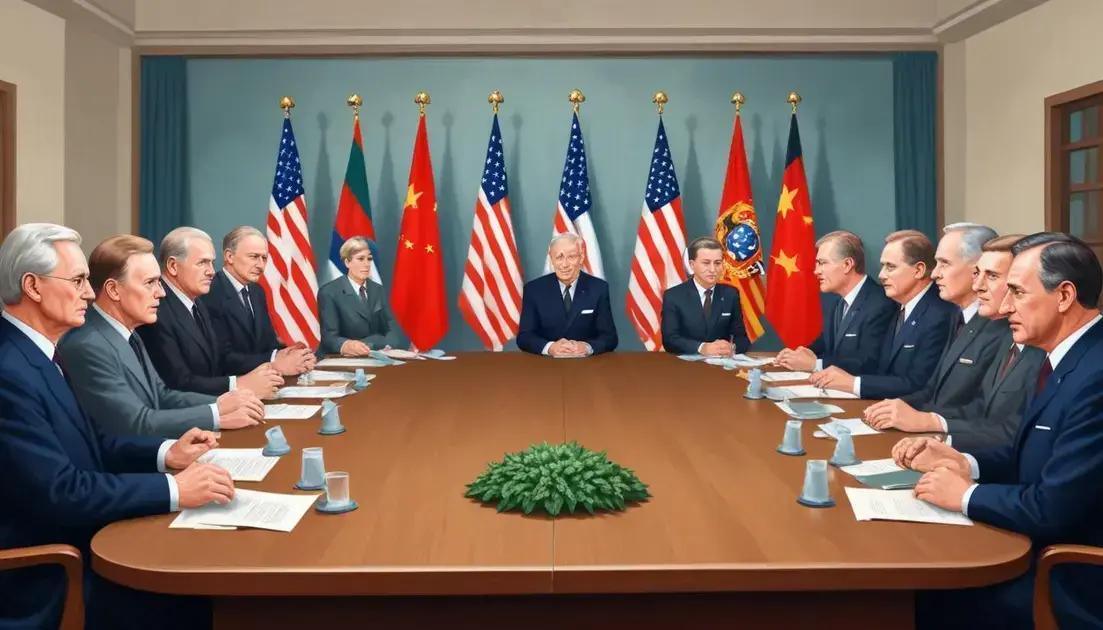
One major impact was on international relations. Non-Aligned countries formed alliances and worked together. They often voted as a bloc in organizations like the United Nations. This gave them more power in discussions.
Another impact was on global peace efforts. Non-Aligned countries advocated for disarmament and peace. They aimed to reduce tensions during the Cold War. This approach helped cool some conflicts around the world.
The movement also inspired decolonization. Many countries in Africa and Asia sought freedom from colonial rules. The Non-Aligned Movement provided support and encouragement for these nations.
Lastly, the legacy of the Non-Aligned Movement lives on today. Countries still reference its principles while engaging in international affairs. They emphasize cooperation over conflict, which is key for a stable world.
Lessons from the Cold War
The Cold War taught us many important lessons about diplomacy and cooperation. First, it showed how dangerous it can be when countries are deeply divided. The tension between superpowers created conflict in many regions.
Another lesson is the value of dialogue. Nations can resolve issues through conversation instead of conflict. The Non-Aligned Movement stressed the need for peaceful negotiations to settle disputes.
Moreover, the Cold War highlighted the importance of independence. Countries that weren’t aligned with either side found a voice. This allowed them to make their own decisions without being pressured.
Additionally, the Cold War reminds us of the need for global cooperation. Issues like disarmament and economic equality require teamwork among nations. Today, leaders still look back at this period for ways to promote peace and unity.
Finally, the Cold War era showed us the power of grassroots movements. People around the world united for peace and justice. Their efforts influenced governments and helped shape a better future.
Future of Non-Aligned Principles
The Non-Aligned Movement principles remain relevant today. As new challenges arise, these principles guide nations seeking independence and balance. Countries still desire to voice their concerns without major power influence.
Today, many nations are dealing with global issues like climate change and economic inequality. The Non-Aligned principles encourage cooperation among countries to tackle these problems together. They promote collaboration over conflict.
Moreover, rising tensions between superpowers highlight the need for non-alignment. Many nations want to avoid being dragged into conflicts. They seek solutions based on dialogue and mutual respect.
Technology also plays a role in the future of these principles. Countries can connect and work together online, sharing ideas easily. This technology fosters new partnerships and strengthens global ties.
The future of the Non-Aligned Movement depends on strong leadership and unity among countries. If nations work together, they can face challenges and find their own paths forward. This spirit of non-alignment can help create a more peaceful and balanced world for everyone.
Conclusion
In conclusion, the Non-Aligned Movement and its principles are still very important today. They show us how countries can work together for peace and independence. As global challenges like climate change and economic inequality grow, these principles guide nations toward cooperation.
By embracing non-alignment, countries can avoid conflicts and focus on solutions. They can use new technology to connect and share ideas. This way, they can strengthen their ties and build a better future.
As we look forward, strong leadership and unity are key for the Non-Aligned Movement. It can still play a vital role in creating a balanced world. Together, countries can face challenges and find their way, ensuring a brighter future for all.