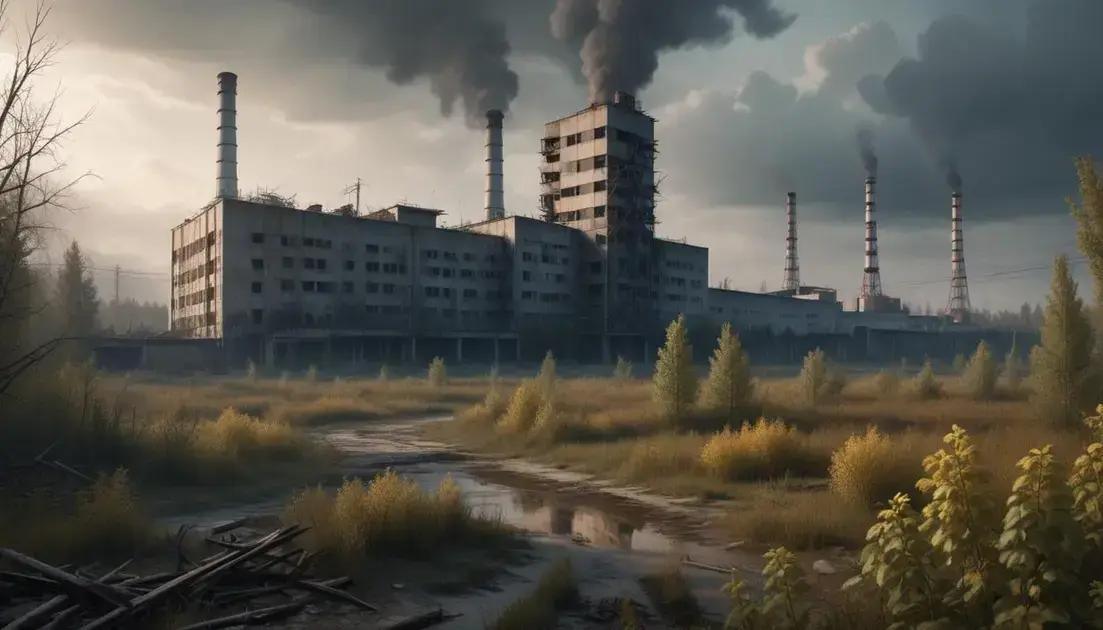
Nuclear disarmament: promises and failures
Nuclear disarmament faces several major obstacles, including distrust among nations, political tensions, and national security concerns. The effectiveness of key treaties, such as the NPT and START, is often challenged by differing national interests and fears of vulnerability. As nations strive for a future of global nuclear peace, international cooperation, increased public awareness, and technological advancements play crucial roles in addressing these challenges and fostering meaningful disarmament efforts.
Nuclear Disarmament has been a long and challenging journey, marked by broken promises and significant hurdles. What lies ahead in the quest for a peaceful world?
The history of nuclear disarmament efforts
Nuclear disarmament has a rich and complex history. It all began after World War II when nations saw the terrible power of atomic bombs. In 1945, the first bombs dropped on Hiroshima and Nagasaki shocked the world. This horror led to a strong desire for peace.
Early Efforts
In the years following the war, nations began to talk about nuclear arms control. The first major treaty was the Treaty on the Non-Proliferation of Nuclear Weapons (NPT), which opened for signature in 1968. The goal was to prevent the spread of nuclear weapons and promote cooperation in peaceful uses of nuclear energy.
Key Treaties and Milestones
As time went on, agreements like the Strategic Arms Reduction Treaty (START) and the Comprehensive Nuclear-Test-Ban Treaty (CTBT) came into play. These treaties aimed to limit the number of nuclear weapons and to ban nuclear tests. While these treaties have made strides, many countries still face challenges in compliance.
Obstacles and Challenges
Unfortunately, trust issues have often hindered progress. Nations sometimes doubt each other’s commitments to disarmament. There have been accusations of cheating and dishonesty. This lack of trust hampers global efforts to achieve lasting peace through disarmament.
Current Landscape
Today, nuclear disarmament remains a hot topic. New threats, like rising tensions between nations, complicate the situation. It’s clear that while steps have been taken, there’s still a long way to go. The future of nuclear weapons and disarmament will depend on continued dialogue and cooperation among nations.
Key treaties and agreements
Key treaties and agreements have shaped the story of nuclear disarmament. These efforts aim to reduce the number of nuclear weapons worldwide. One of the most significant is the Treaty on the Non-Proliferation of Nuclear Weapons (NPT). It came into effect in 1970 and focuses on preventing the spread of nuclear arms.
The NPT and Its Impact
The NPT has three main goals: preventing the spread of nuclear weapons, promoting peaceful uses of nuclear energy, and furthering disarmament. By signing this treaty, countries commit to not develop new nuclear weapons.
Strategic Arms Reduction Treaty (START)
Another important agreement is the Strategic Arms Reduction Treaty, or START. This treaty was first signed in 1991. START aimed to reduce the number of strategic nuclear warheads. It helped establish a path toward arms reduction.
Comprehensive Nuclear-Test-Ban Treaty (CTBT)
Then there’s the Comprehensive Nuclear-Test-Ban Treaty (CTBT). It bans all nuclear explosions. While it’s not yet in force, many countries support it. It’s a step toward preventing nuclear tests and promoting global security.
Other Significant Agreements
There are many more treaties, like the Treaty of Tlatelolco and the Treaty on the Prohibition of Nuclear Weapons. Each one contributes to a safer world by supporting disarmament efforts and promoting peace among nations.
Major obstacles to disarmament
Despite progress, many major obstacles stand in the way of disarmament. One big issue is trust. Countries often suspect one another of cheating on disarmament agreements. This distrust can lead to doubts about the sincerity of commitments.
Political Tensions
Political tensions also play a role. Conflicts between nations can make disarmament discussions difficult. When countries feel threatened, they are less likely to give up their weapons.
National Security Concerns
National security is another concern. Many countries argue that nuclear weapons keep them safe. They fear that without these weapons, they might be vulnerable to attacks.
Lack of Consensus
A lack of consensus also hampers efforts. Different nations have varying views on how disarmament should progress. Some want immediate steps, while others prefer a gradual approach, leading to disagreements.
Technological Advancements
Technological advancements present challenges too. New weapons technology can encourage arms races. Nations are often eager to develop more advanced weapons, believing this advances their security.
Without addressing these obstacles, achieving global nuclear disarmament remains tough. A strong commitment to dialogue and trust-building is essential for any progress.
Future prospects for global nuclear peace
The future of global nuclear peace is a crucial topic. As nations grow more connected, there are signs of hope. More countries are beginning to discuss nuclear disarmament openly. This increased dialogue can lead to better understanding and cooperation.
New Treaties and Agreements
We may see new treaties emerge as countries strive for peace. These agreements can help reduce the number of nuclear weapons. Promoting open communication and trust can lead to meaningful progress.
International Cooperation
International organizations play a key role in fostering peace. Groups like the United Nations work hard to promote disarmament. Their efforts can lead to important discussions that strengthen alliances and build trust between nations.
Rising Global Awareness
Public awareness is also growing. Activists and citizens around the world are demanding action against nuclear weapons. Their voices can pressure leaders to pursue peaceful solutions over military options. Global campaigns promote disarmament and highlight the importance of peace.
Technological Advances
Technology may also impact the future. New advancements can aid peace efforts and improve communication. Tools for monitoring nuclear activities can help ensure compliance with treaties.
While challenges remain, the prospect of a world without nuclear weapons is possible. Continued commitment to dialogue and cooperation is key to achieving lasting peace.
Conclusion
In conclusion, the journey toward global nuclear peace is a shared responsibility. As nations work together, they can build trust and strengthen agreements that promote disarmament. The role of international organizations is vital in fostering dialogue and cooperation.
Growing public awareness and activism show that many people care about a safer world. Technology will continue to play a key role in monitoring and promoting peace. By combining efforts, we can move toward a future where nuclear weapons are no longer a threat.
Achieving nuclear peace is within our reach, but it requires consistent commitment and determination from all nations. Together, we can create a safer, more peaceful world for future generations.