Orwell and Le Carré: Writers of Global Paranoia
Orwell and le Carré are two influential authors known for their explorations of paranoia and manipulation in society. Orwell’s dystopian works, particularly 1984, highlight the dangers of totalitarian control and constant surveillance, while le Carré’s espionage novels delve into the complexities of human relationships within the world of intelligence. Both writers significantly impacted modern literature, encouraging readers to think critically about power dynamics and truth, ultimately shaping contemporary themes in storytelling.
Global Paranoia is a gripping theme explored in the works of renowned authors like Orwell and Le Carré. Their stories resonate with the current state of world affairs, don’t you think?
Introduction to the authors
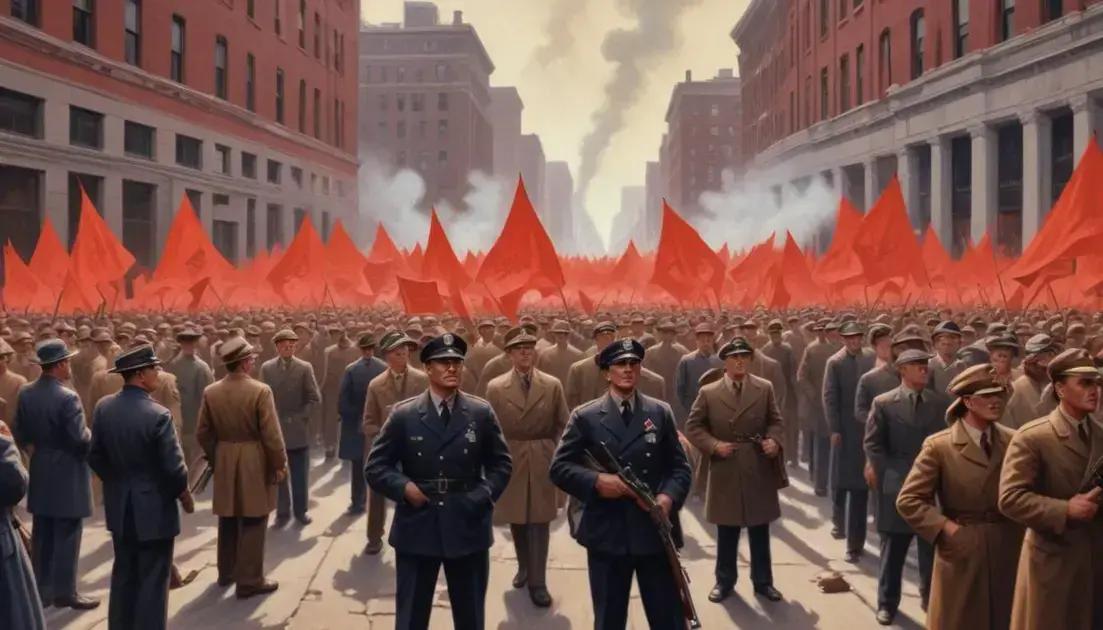
George Orwell and John le Carré are two giants in the world of literature. Their works expose deep issues of global paranoia and manipulation. Through their eyes, we see the dark sides of power and control. Orwell’s 1984 highlights the horrors of a totalitarian regime, where surveillance is everywhere. This nightmare world shows how governments can take away our freedoms.
On the other hand, le Carré’s novels bring a more modern touch to these themes. His stories often focus on the murky waters of espionage and trust. With characters navigating a world of lies, le Carré captures the tension of our times. Readers can feel the weight of secrets and betrayals.
Both authors challenge us to think critically about freedom and truth. They encourage us to stay aware of how we are watched and influenced. By reading their works, we can better understand our own lives in today’s society. The lessons from Orwell and le Carré are more relevant now than ever.
Themes of paranoia in Orwell
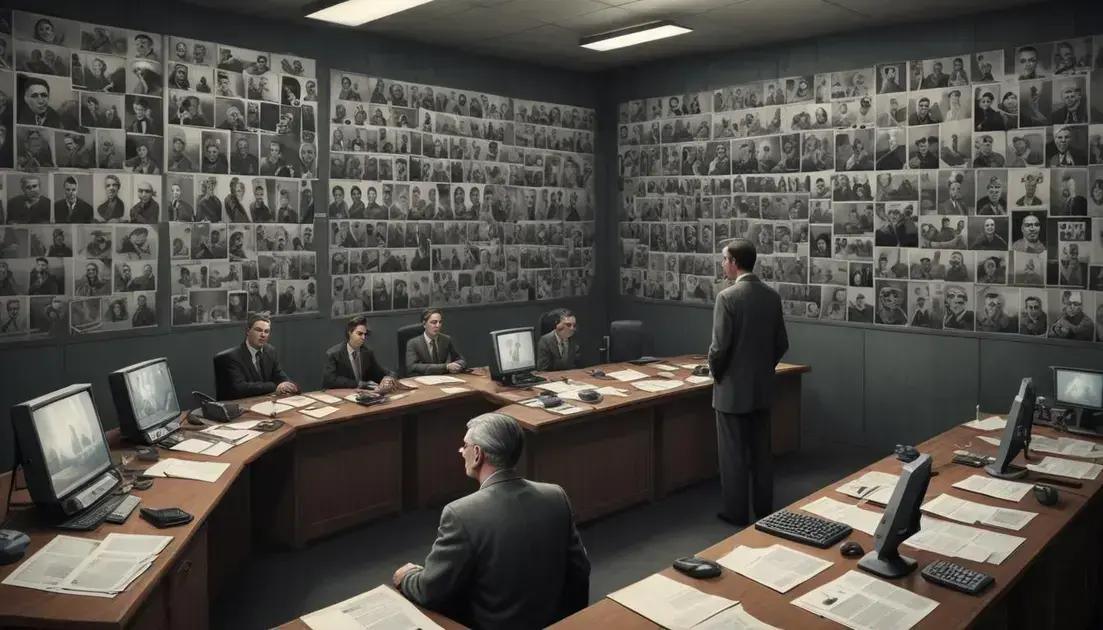
Orwell’s works explore deep themes of paranoia that resonate strongly with readers. One of the primary themes is the fear of an all-seeing government. In 1984, the Party watches everyone through telescreens, making privacy almost impossible. This constant surveillance creates a sense of anxiety and mistrust among citizens.
Another important theme is the manipulation of truth. The Party controls information to shape reality. They create false histories and change facts to keep power. This leads to a society where people can’t tell what is real. Orwell shows how easily fear and confusion can control minds.
Hope is another theme, though subtle, in Orwell’s writings. Despite the dark realities, characters sometimes strive for freedom and truth. This struggle against oppression reflects human resilience, reminding readers to stay vigilant.
In summary, the themes of paranoia in Orwell’s stories highlight how power can control lives. Readers can learn from these messages about the importance of questioning authority and seeking the truth.
Le Carré’s take on manipulation
John le Carré’s stories dive deep into the world of manipulation. He often explores how intelligence agencies twist the truth. These agencies create plots filled with deception and secrecy. Characters in his novels face choices that test their morals and loyalties.
One major theme is betrayal. In le Carré’s world, friends can become foes in an instant. Characters often feel trapped by their circumstances. This reflects how manipulation can poison relationships and trust.
Another element in his work is the gray area between right and wrong. Rarely is there a clear hero or villain. This makes readers question what it means to be loyal. Do you follow orders, or do you trust your own instincts?
Le Carré also highlights the emotional toll that manipulation takes on people. The stress and fear of constant surveillance can leave deep scars. Through his characters, readers gain insight into the cost of living in a world full of lies.
Comparative analysis of works
When comparing the works of Orwell and le Carré, several key differences surface. First, Orwell’s writing often tackles dystopian themes. In contrast, le Carré focuses more on real-world espionage and moral ambiguity. Both authors explore the impact of paranoia but from different angles.
Orwell’s 1984 showcases a society under constant surveillance. He warns of a bleak future where individual freedoms are suppressed. In this world, the government manipulates truth and history. This strong warning resonates deeply with readers.
On the other hand, le Carré’s novels dive into the psyche of spies. His characters wrestle with personal dilemmas and loyalty. The tension arises from the gray areas of right and wrong. This makes his stories feel more grounded in reality and relatable.
Both authors masterfully create tension and suspense. Yet, Orwell’s focus leans towards big ideas about society. Le Carré gives us a glimpse into the personal lives affected by these larger forces.
Their contrasting styles offer readers a rich landscape of thought. Together, they encourage us to reflect on power, control, and our roles in society.
Impact on modern literature
The works of Orwell and le Carré have significantly shaped modern literature. Their themes of paranoia, manipulation, and power dynamics still resonate today. Many contemporary writers draw inspiration from their storytelling techniques and social commentary.
Orwell’s influence can be seen in the rise of dystopian fiction. His vision of a controlled society prompts readers to question authority. Today, books and films often explore similar themes of censorship and surveillance. These stories remind us of the importance of personal freedoms and critical thinking.
Meanwhile, le Carré’s focus on espionage has changed how we view spy novels. He brought depth and complexity to characters. His approach made spies more human and relatable. As a result, modern thrillers now often include rich character development alongside action.
Both authors opened the door for new genres and styles. Their works encourage writers to explore complex themes while creating engaging narratives. By addressing the darker sides of human nature, they help us reflect on our own world.
Overall, Orwell and le Carré have left a lasting legacy in literature. Their stories challenge readers to think critically about society.
Conclusion
In conclusion, the works of Orwell and le Carré reveal important truths about paranoia and manipulation in our lives. Their stories challenge us to think critically about power, trust, and freedom. Orwell’s dystopias warn us of the dangers of total control, while le Carré’s spies show the complexity of human relationships.
Both authors have left a lasting mark on modern literature. They inspire writers to craft compelling stories that reflect our world today. By exploring their themes, we gain insights into the challenges we face. Overall, their works remind us to stay aware and question what we see.
As we continue to read their novels, we can better understand the intricacies of society and our place within it. Literature has the power to open our eyes and encourage discussions, and Orwell and le Carré lead the way in this vital conversation.