Pop Culture: The Cold War in Cinema, Comics and Games
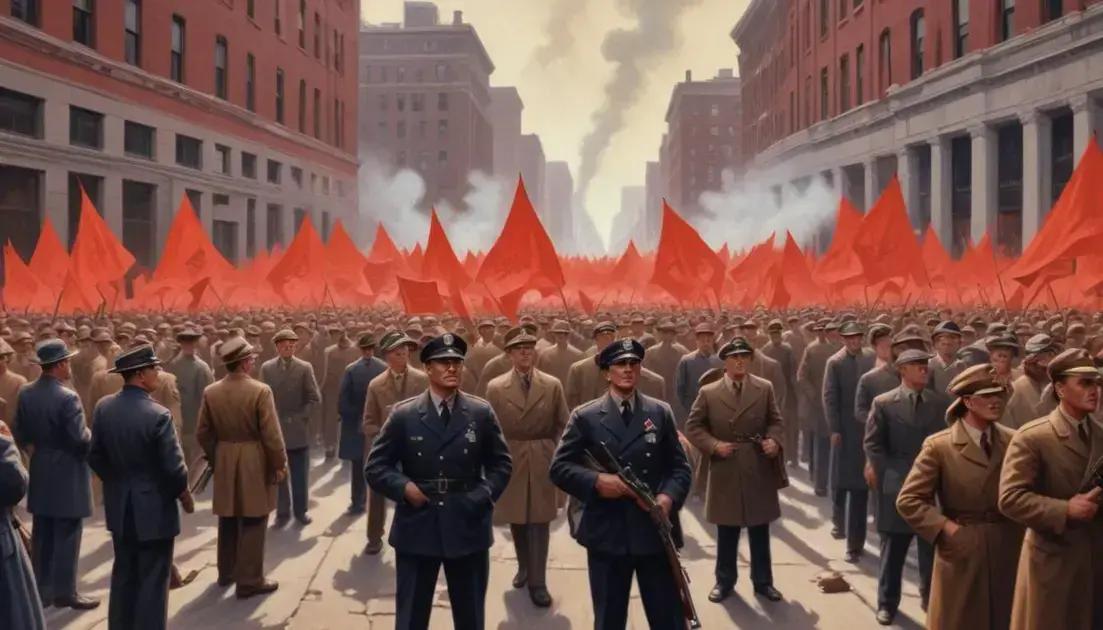
The Cold War significantly influenced pop culture, particularly in cinema, comics, and video games. Films portrayed themes of espionage and nuclear tension, while comics reflected both humor and serious commentary on political issues. Video games immersed players in Cold War scenarios, challenging them with moral decisions and strategic thinking. This era’s impact continues to resonate in modern storytelling, demonstrating how art mirrors societal concerns and fears.
Cold War themes have left a significant mark on pop culture—have you noticed how often they pop up in movies or games? Let’s explore this fascinating connection!
Introduction to Cold War
The Cold War began after World War II. It was a time of political tension between the United States and the Soviet Union. Both sides had different ideas about how to run countries. The U.S. believed in capitalism, while the Soviet Union pushed for communism.
This conflict didn’t lead to direct fighting, but it sparked many other forms of competition. Each side tried to show that their way was better. They used propaganda, influencing people around the world.
During the Cold War, we saw the rise of nuclear weapons. Both sides built big arsenals, creating fear of a potential nuclear war. This fear was real and affected many lives.
The Cold War also influenced culture. Movies, books, and games were filled with themes from this period. People wanted to understand what was happening. For example, espionage became a popular topic.
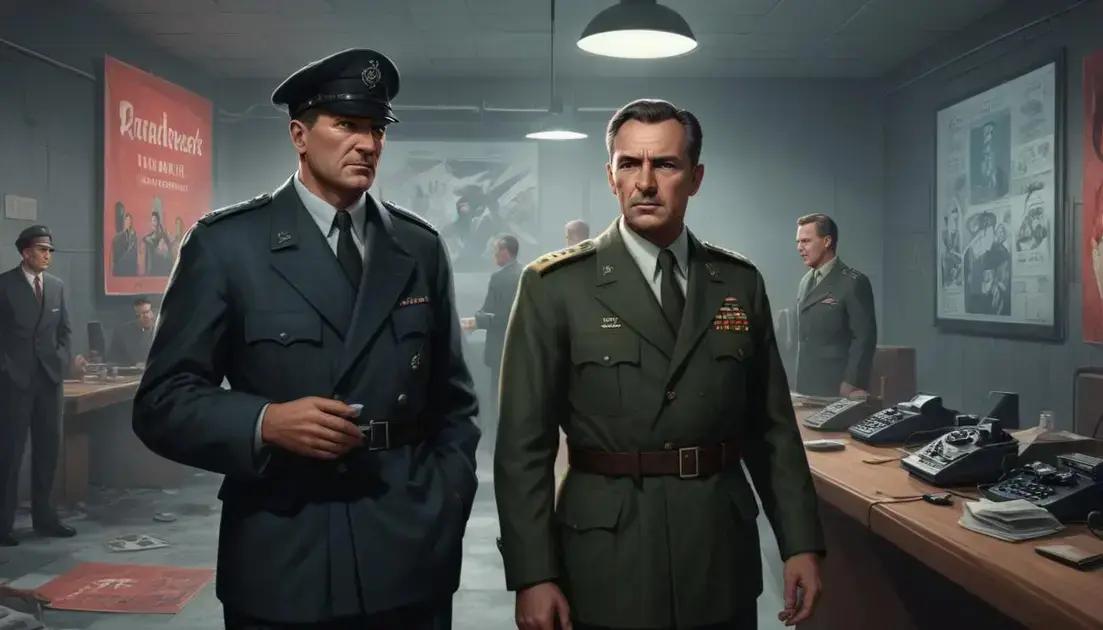
In this era, intelligence agencies like the CIA and KGB played important roles. They gathered secrets and often operated in the shadows. This secrecy added to the intrigue, making stories more exciting.
As time went on, various events unfolded. Key moments like the Cuban Missile Crisis brought the world close to war. Thankfully, diplomacy worked in many cases, easing some tensions.
Influence on Cinema
The Cold War had a huge impact on cinema. Filmmakers used this tense time to tell powerful stories. Movies from this era often feature spies, secret missions, and global tension. Classic films like “Dr. Strangelove” and “The Spy Who Came in from the Cold” explored these themes.
These films showed the fears of nuclear war. They made people think about the consequences of political decisions. Many movies also included satire, using humor to discuss serious issues.
Action films became popular too. They often highlighted the hero versus villain trope. The heroes were usually Western characters fighting against the “evil” forces of the Soviet bloc.
Science fiction also grew during this time. Many sci-fi films reflected fears about the future. They imagined worlds torn apart by war and technology gone wrong, like in “The Day the Earth Stood Still.”
Documentaries began to appear too. They explored the real events of the Cold War, offering insights into the politics and the people involved. This genre helped audiences connect with the serious nature of the Cold War.
Overall, cinema served as a mirror for society. It helped audiences understand the complexities of the Cold War. The stories told during this time continue to resonate even today.
Impact on Comics
The Cold War significantly shaped comics during its height. Writers used this backdrop to explore themes of heroism, conflict, and identity. Superheroes like Captain America and Superman often battled against communist foes. These stories captured the spirit of the time and reflected societal fears.
Comics tackled serious issues as well. They showed the threat of nuclear war and the paranoia that came with it. Titles like “American Flagg!” and “The Shadow” addressed real-world concerns, making readers think.
Political satire became popular in comics. Humor was a way to cope with tension. Comics like “Mad Magazine” mocked leaders and political situations, providing a release for audience frustrations.
Alternative comics also emerged. They often focused on underground themes, critiquing both the government and mainstream comics. These works challenged the status quo and explored more personal stories.
The Cold War inspired many creators to push boundaries. They experimented with storytelling and art styles. This innovation led to a richer, more diverse comic landscape that appealed to different audiences.
Even decades later, the impact of the Cold War on comics is evident. Many themes from this time still resonate today, showing how powerful stories can capture cultural moments.
Games and Cold War Culture
The Cold War heavily influenced video games and culture. During this time, game developers created thrilling experiences reflecting political tensions. Players faced missions involving espionage, sabotage, and survival.
Popular games often featured a spy or soldier as the main character. Titles like “Metal Gear Solid” and “Call of Duty” included storylines about Cold War conflicts. These games made players think about moral choices in wartime situations.
Strategy games also rose in popularity. They allowed players to manage resources and make decisions in a Cold War setting. Games like “Command & Conquer” focused on military strategy, making players feel the pressure of the conflict.
On the other hand, some games offered a lighthearted take. Parody games poked fun at the era’s fears, showing a different perspective. These humorous games helped players cope with the serious themes of the time.
Cold War culture was also present in tabletop games and role-playing games. Players immersed themselves in stories that highlighted the struggle between the East and West. This showed how games could reflect society’s issues and fears.
Today, the impact of the Cold War on games continues. Many titles still explore themes of conflict and tension, reminding players of this pivotal moment in history.
Conclusion
The Cold War shaped many aspects of our culture, including film, comics, and games. These mediums helped people understand complex themes during a tense time.
In cinema, films reflected fears of nuclear war and showcased espionage. They made audiences think about political choices. Similarly, comics tackled serious issues while providing entertainment.
Games also played a big role. They brought players into thrilling scenarios involving strategy and conflict. Whether serious or humorous, these games offered new perspectives on the Cold War.
Through storytelling, pop culture gave a voice to the anxieties and hopes of the era. The influence of the Cold War continues to resonate today.
Conclusion
In conclusion, the Cold War had a lasting impact on our culture. It shaped movies, comics, and games in unique ways. These forms of entertainment helped people understand the tensions of the time.
Films captured the fears of nuclear war while exploring themes of heroism and conflict. Comics provided both laughter and serious commentary on political issues. Video games immersed players in thrilling scenarios that challenged their decisions and strategies.
Today, we still see the influences of the Cold War in popular culture. The stories told during this time remain relevant, showing how powerful narratives can connect with generations. Understanding this era helps us appreciate how art reflects society’s challenges and fears.
Tags: