Post-Cold War Middle East: Chaos and Reconfiguration
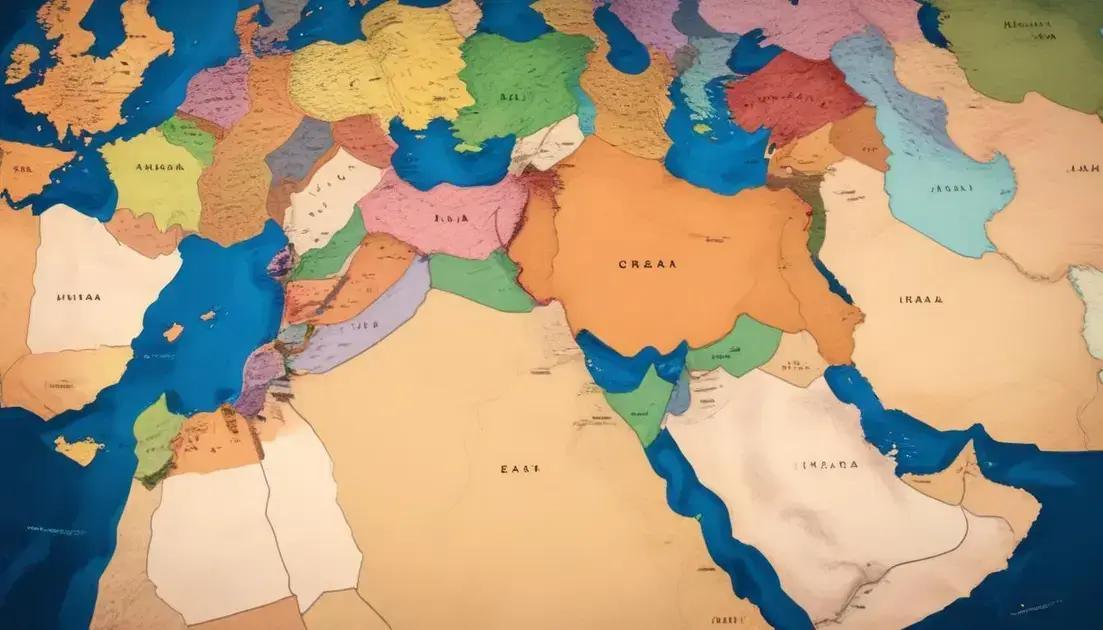
The Middle East has undergone significant changes since the end of the Cold War, leading to a complex landscape of emerging alliances and geopolitical tensions. Countries in the region are increasingly cooperating economically and politically, while global powers like the U.S. and Russia continue to exert their influence. Technology plays a crucial role in reshaping relationships and facilitating communication. Understanding these developments is essential for grasping future trends in Middle Eastern relations, which have direct implications for global politics and security.
In recent decades, Middle East dynamics have shifted dramatically, reshaping global politics. What’s behind these changes? Let’s dive in!
Historical context of the Cold War in the Middle East
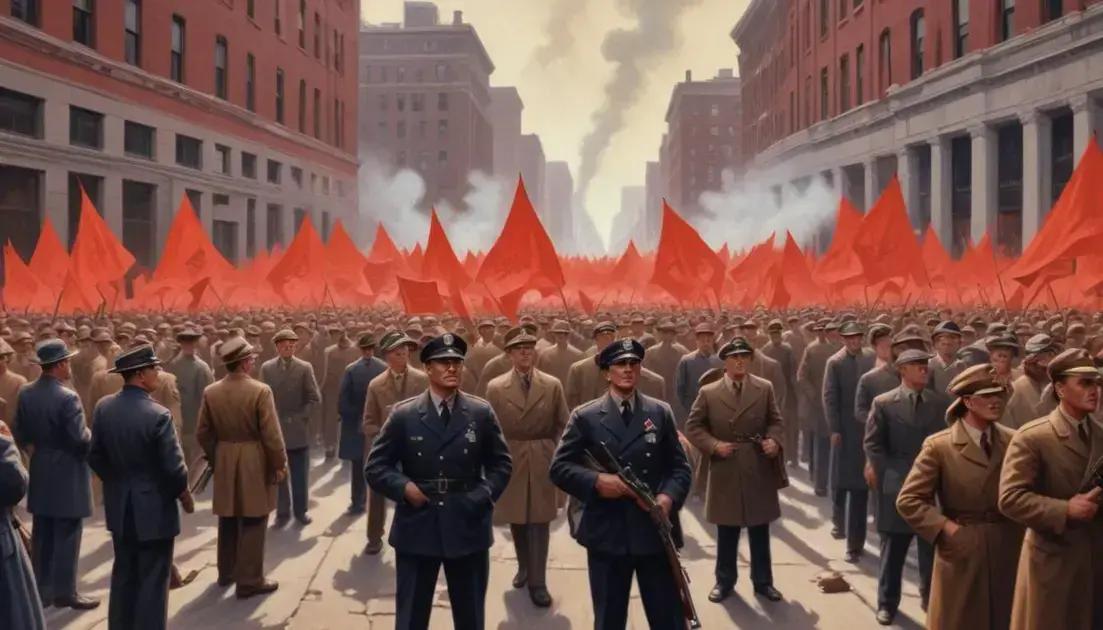
The Cold War was a time of tension between two superpowers: the United States and the Soviet Union. This conflict didn’t just affect Europe; it reshaped the Middle East, too. Many countries found themselves caught in the middle. They had to choose sides, which led to changing alliances.
The Impact of Superpower Rivalry
As the U.S. supported certain countries, like Israel, the Soviets backed others, such as Egypt and Syria. This support often came in the form of military aid and economic assistance. Such involvement changed the power dynamics in the region.
The Role of Oil
Oil was a major factor during the Cold War. Countries with rich oil reserves became extremely important to both superpowers. Nations like Saudi Arabia had influence because of their oil. This created a competition for resources, adding more complexity to geopolitical relationships.
Major Conflicts
Several conflicts erupted during the Cold War that were influenced by this rivalry. The Arab-Israeli wars were crucial events. These wars showed how superpower support could escalate local disputes into larger, more dangerous conflicts.
Shifts in Power
As time went on, the power shifts in the Middle East reflected changes in global politics. The end of the Cold War in the late 20th century brought new challenges and opportunities for the countries in this region.
Understanding the historical context of the Cold War in the Middle East helps us see why current events evolve as they do. The legacies of these years still impact relationships today.
Shift in power dynamics post-Cold War
After the Cold War ended, the Middle East saw important changes in power dynamics. Countries that once aligned with superpowers began to assert their independence. Some shifted alliances, while others faced internal challenges. This newfound freedom led to both conflicts and opportunities.
Emerging Regional Powers
With the Soviet Union gone, nations like Iran and Turkey grew more influential. They sought to expand their roles in regional politics. Their strategies often clashed, leading to tensions and sometimes conflicts.
The Role of the United States
The U.S. continued to play a crucial role in the Middle East. It provided support to allies, mainly Israel and some Gulf states. This involvement helped maintain their power but also created backlash from opposing groups.
Internal Struggles
Many countries faced internal struggles as they adjusted to the post-Cold War landscape. Nations like Iraq and Syria experienced power struggles and civil wars. These issues further complicated the overall stability of the region.
Shifting Alliances
As nations sought new partnerships, alliances shifted dramatically. Some countries normalized relations with former enemies, while others remained hostile. This fluidity in alliances creates a dynamic and unpredictable political environment.
The changes in power dynamics after the Cold War continue to influence relationships today. Understanding these shifts is key to grasping current events in the Middle East.
Emerging alliances and geopolitical tensions
In the post-Cold War era, new alliances have formed in the Middle East. These emerging alliances often come with geopolitical tensions. Countries are trying to balance power, which creates a complex landscape.
New Partnerships
Some countries have sought partnerships with one another to gain strength. For example, Israel has built closer ties with several Arab states. This has surprised many people, as these nations once saw each other as enemies.
Ongoing Conflicts
While some countries build alliances, others remain in conflict. Nations like Iran and Saudi Arabia often find themselves at odds. Their rivalry fuels tensions across the region, affecting neighboring countries.
Influence of Global Powers
Global powers, like the U.S. and Russia, still play major roles in the Middle East. Their involvement can support or challenge these new alliances. This outside influence often complicates local relationships even further.
Impact on Security
The emerging alliances and tensions have a direct effect on regional security. As countries align with one another, they must also prepare for potential conflicts. The result can be an ongoing cycle of tension and uncertainty.
These geopolitical tensions shape the Middle East’s future. Understanding them helps us better grasp the complex nature of international relations in this region.
Impact on global politics and security
The changes in the Middle East significantly impact global politics and security. As alliances shift, countries react in various ways. Some seek stronger ties, while others prepare for potential threats.
Global Reactions
When countries in the Middle East align differently, world powers respond. The U.S. often takes a stand based on its interests. Russia, too, looks for ways to increase its influence.
Security Concerns
Tensions in the region can lead to security challenges far beyond its borders. Conflicts can spill into neighboring areas. This can affect global trade routes and energy supplies.
Effects on International Relations
As nations change their focus, it also affects international relations. Countries may form new partnerships or strengthen old ones. These moves influence trade, diplomacy, and military strategies.
Role of Organizations
International organizations like the United Nations play a vital role in addressing these issues. They work to promote peace and stability, helping manage conflicts whenever possible.
Staying informed about these developments is crucial. Understanding how the Middle East shapes global politics is important for everyone.
Future trends in Middle Eastern relations
The future of Middle Eastern relations is shaping up to be complex and dynamic. As countries adapt to new realities, several trends are emerging. These trends could redefine the region in the coming years.
Increased Regional Cooperation
Countries are beginning to work together more closely. This shift can lead to collective security agreements. Such cooperation can help stabilize the region and promote peace.
Economic Alliances
Economic partnerships are also becoming more common. Nations may join forces for trade and investment. These alliances can strengthen economies and create new opportunities for growth.
Role of Technology
Advancements in technology are influencing how countries interact. Digital platforms allow for easier communication and collaboration. Countries can share resources and knowledge more effectively than before.
Changing Alliances
As relationships evolve, some traditional alliances may weaken. New powers may rise, altering the balance of influence in the region. This can lead to exciting but unpredictable changes.
Keeping an eye on these trends can help us better understand the future of the Middle East. The region is likely to experience significant changes that affect global politics.
Conclusion
In conclusion, the shifts in the Middle East are significant, influencing both regional and global dynamics. With emerging alliances and geopolitical tensions, countries are navigating a complex landscape. Cooperation and economic partnerships are vital for stability and growth.
Technology plays an important role in shaping the future of relationships in this area. As nations adapt, they create new opportunities to connect and collaborate. Understanding these trends helps us grasp the ongoing changes in the region. Overall, the future of Middle Eastern relations is full of potential and uncertainty, which will continue to impact global politics.