Post-Soviet Russia and Its Return to Global Power
Russia’s geopolitical strategy focuses on regaining global influence through military strength, strategic alliances, and control of energy resources. The country’s future on the world stage will depend on how well it navigates economic challenges and adapts to changing international dynamics, particularly in its relationships with the West and neighboring countries. These factors will play a crucial role in shaping Russia’s role in global affairs.
Russia has been on a remarkable journey, transforming from chaos in the 1990s to asserting its influence globally. What does this mean for the world?
The Turbulent 1990s
The 1990s were a chaotic time for Russia. After the Soviet Union collapsed in 1991, people faced tremendous changes. The transition from communism to a market economy was rough. Many lost jobs and savings as prices soared in a new economy.
The Economic Collapse
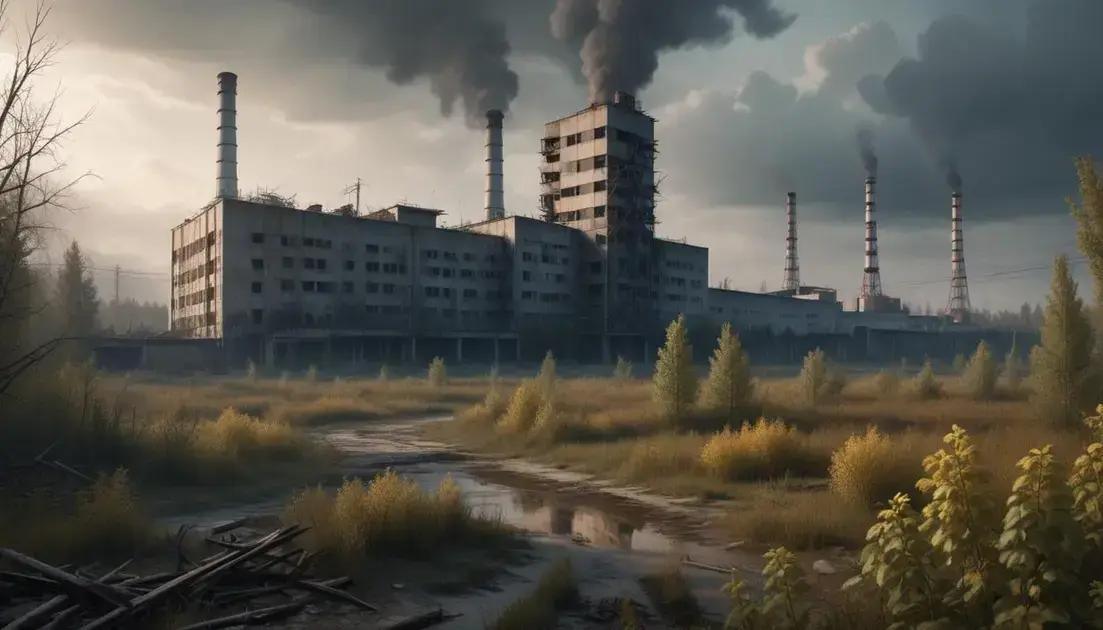
During this time, the economy faced a deep crisis. Industries struggled, and unemployment rose sharply. Many people were unsure how to adapt to this new reality. Daily life became tough as the average person dealt with shortages and inflation.
Social Unrest
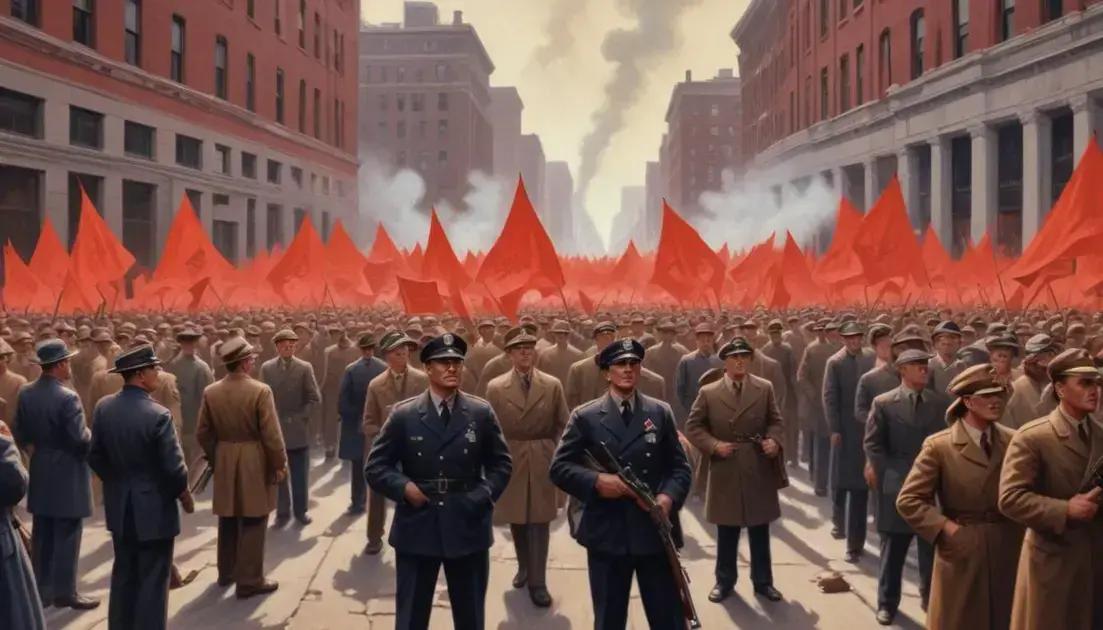
As the economy faltered, social unrest grew. Protests were common as people voiced their frustrations. Dissatisfaction with the government increased, and many rallied for change. Crime rates also soared, creating a sense of fear and uncertainty in neighborhoods.
Rise of Oligarchs
Amidst the chaos, a group of powerful businessmen, known as oligarchs, emerged. They quickly capitalized on the tumultuous situation. Many gained vast wealth by acquiring state assets at low prices. This led to a significant gap between the wealthy and the poor.
Political Turbulence
The political landscape was equally unstable. Different factions vied for power, leading to struggles that often turned violent. Leaders faced challenges that tested their authority and vision for the country.
Overall, the 1990s in Russia were marked by uncertainty, struggle, and often dramatic changes. The events of this decade set the stage for the future of the nation.
Putin’s Rise to Power
Vladimir Putin’s rise to power is an intriguing story. He began as a KGB officer in the Soviet Union. After the collapse of the USSR, he entered politics. In 1999, Boris Yeltsin appointed him as Prime Minister. This role set the stage for his future.
Becoming President
Putin became acting President when Yeltsin resigned on New Year’s Eve 1999. He won the election in 2000 and quickly made his mark. He focused on reestablishing control over the country, which had seen chaos in the 1990s.
Strengthening Power
He used various strategies to strengthen his control. Putin centralized authority and limited the power of regional leaders. He also took steps to suppress independent media. This helped shape the narrative in his favor.
Handling Chechnya
One of his first major challenges was the Chechen War. Putin took a hard stance, emphasizing national security. His tough approach gained him significant public support.
Popularity and Image
As President, Putin crafted a strongman image. He often appeared in control, from fishing trips to judo matches. This helped create a sense of stability for many Russians.
His ability to project strength resonated with a population craving security. Over time, he became a key figure in Russian politics, greatly influencing the country’s trajectory.
Russia’s Geopolitical Strategy
Russia’s geopolitical strategy plays a key role in its foreign policy. This strategy focuses on expanding its influence globally. It seeks to regain the power lost after the Soviet Union’s collapse.
Regional Influence
Russia aims to strengthen its presence in nearby countries. It uses economic ties and military partnerships to do this. For example, Russia has been involved in conflicts in Ukraine and Georgia. These actions show its desire to maintain control over former Soviet territories.
Global Alliances
At the same time, Russia builds alliances outside its region. It maintains relations with countries like China and Iran. These partnerships help Russia counterbalance Western influence, especially from the U.S. and NATO.
Energy Politics
Energy resources are a critical part of Russia’s strategy. The country is one of the world’s largest oil and gas producers. By controlling energy supplies, Russia can exert power over Europe and other regions. This reliance on Russian energy makes many countries more cautious in their dealings with Moscow.
Military Posturing
Russia’s military presence is also a significant factor. It has enhanced its military capabilities, demonstrating strength through exercises and displays of power. This military posturing sends a clear message to both allies and adversaries.
Overall, Russia’s geopolitical strategy revolves around increasing its global influence. Through regional efforts, alliances, energy politics, and military might, Russia tries to reshape the world order.
Impact on Global Affairs
Russia’s actions have a significant impact on global affairs. Its geopolitical strategies influence many regions and relationships. As a major player, Russia shapes dialogues in international politics.
Influence in the UN
Russia holds a permanent seat on the United Nations Security Council. This allows it to veto decisions and shape global discussions. Its stance on issues like Syria shows its willingness to assert power.
Relations with the West
Russia’s relations with Western countries have been tense. Events like the annexation of Crimea escalated conflicts. Economic sanctions from the West have further strained these ties.
Impact on NATO
Russia’s activities challenge NATO countries. The alliance has increased military readiness in response to threats from Russia. This ongoing tension affects security policies across Europe.
Energy Leverage
Russia’s control over energy supplies gives it leverage. European countries depend on Russian gas, affecting their political stances. This reliance complicates decisions regarding sanctions and diplomacy.
Overall, Russia plays a crucial role in shaping global dynamics. Its actions drive responses from other nations and influence international relations. The consequences of these interactions continue to unfold.
Future of Russia on the World Stage
The future of Russia on the world stage is uncertain. Its actions today shape its role in global politics. How will Russia navigate relationships with other nations?
Strategic Alliances
Russia is likely to continue forming strategic alliances. Partnerships with countries like China may strengthen. These ties can provide support against Western pressures and sanctions.
Economic Challenges
Economic difficulties could influence Russia’s position. Sanctions and low oil prices impact its economy. Finding new markets and diversifying trade is essential for growth.
Military Developments
Russia will probably maintain a strong military presence. This can be a way to assert power and protect interests. Military exercises and advancements in technology will play a role.
Global Influence
Russia’s influence will depend on its ability to adapt. The balance of power is shifting, and new leaders are emerging. How well Russia responds to changes in global dynamics will be critical.
Overall, Russia’s future in international affairs hinges on strategic choices. By navigating alliances, addressing economic challenges, and adapting to change, Russia can shape its path ahead.
Conclusion
In conclusion, Russia’s journey from the turbulent 1990s to its current status shows its resilience and strategic maneuvering on the world stage. By focusing on strong alliances, developing its military, and addressing economic challenges, Russia will aim to maintain its influence globally.
As we look to the future, how Russia adapts to changing dynamics will be crucial. The ability to respond to new challenges and opportunities will define its role in international affairs. Therefore, understanding these factors will help us anticipate Russia’s next moves and their impact on global politics.