Post-USSR Russia: Transition, Power and Nostalgia
The nostalgia for the Soviet era in Russia reflects a longing for stability and community. Many Russians remember the guarantees of jobs and housing, which fostered a sense of belonging. However, this sentiment differs among generations, with younger people often focusing on the lack of freedom during that time. Media representations can romanticize the Soviet past, influencing public perception and political narratives. Balancing this nostalgia with the realities of contemporary life is crucial for Russia’s progress.
In the wake of the Soviet Union’s dissolution, Russia has embarked on a complex journey of transformation, balancing its ambitious modernization goals with deep-seated historical nostalgia. What challenges and opportunities lie ahead?
Transition and Change
The transition in Russia since the fall of the Soviet Union has been significant. Many changes have occurred in politics, society, and the economy. Each of these areas has faced unique challenges. The changes in politics led to a new form of government that aims for democracy but often struggles with authoritarian tendencies.
Political Changes
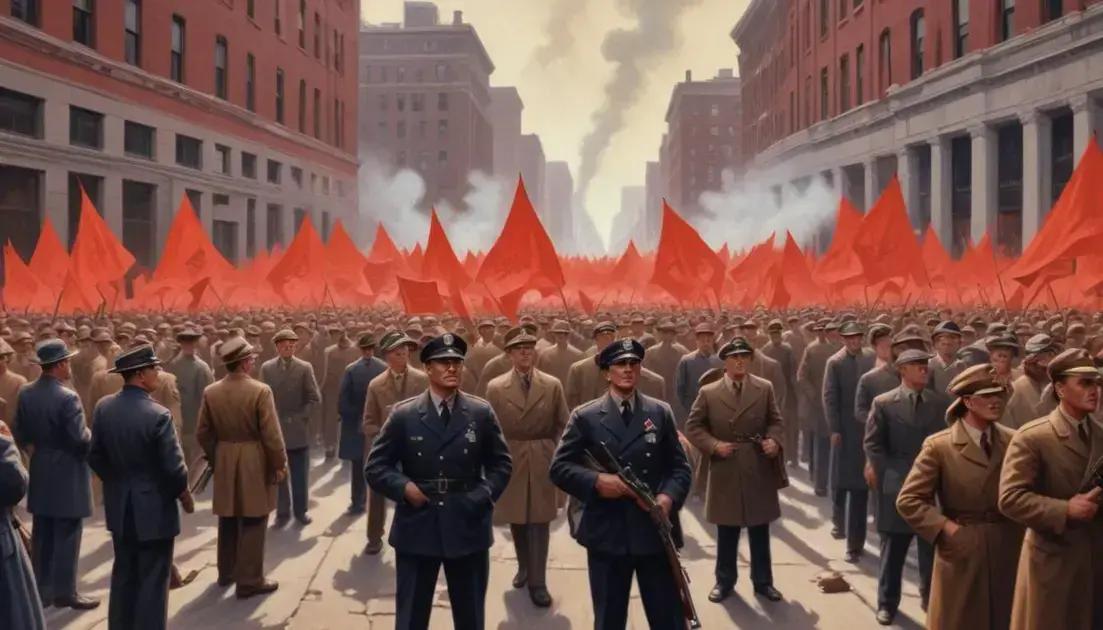
After the USSR collapsed, Russia saw the rise of new political leaders. Many people were hopeful at first. They wanted a government that listened to them. However, over time, it became clear that some leaders wanted to hold on to power. This led to conflicts between different political groups and even protests.
Societal Shifts
On a social level, the changes have had mixed results. Younger generations embrace more freedom and opportunities. They look for new ways to express themselves. However, older generations often feel nostalgic about the Soviet era, where things were more predictable. This creates tension as they view the past very differently.
The Economic Transformation
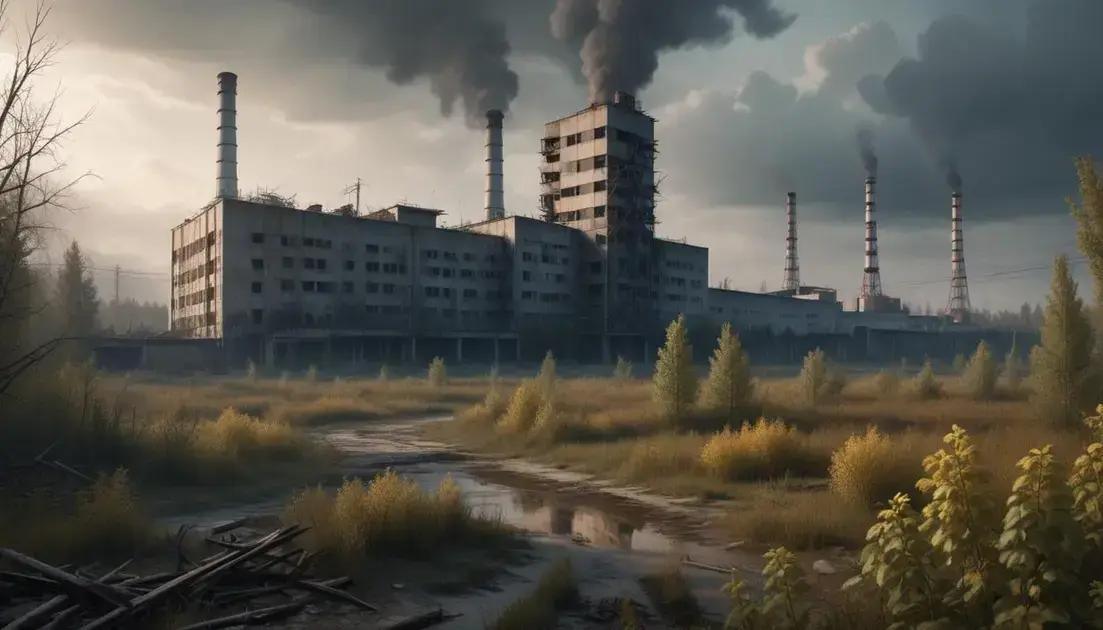
The economy also changed a lot during this time. The shift from a central plan to a market-driven economy was not easy. Many people lost jobs, businesses had to adapt, and poverty levels rose for a while. In recent years, there has been growth, especially in tech and energy sectors, providing hope for a brighter future.
Despite these challenges, the resilience of the people shines through. They adapt and evolve, finding ways to thrive in a new world. The journey of change is ongoing, and it shapes Russia every day.
Power Dynamics in Russia
The power dynamics in Russia are complex and ever-changing. After the Soviet Union fell apart, new power structures emerged. Many people had hope for democracy. But what followed often felt very different.
Leadership Styles
Leadership plays a big role in how power is distributed. Leaders can either empower citizens or concentrate power for themselves. In Russia, many leaders tend to centralize authority, which can limit public influence.
The Role of Political Parties
Political parties in Russia often face challenges. There are many smaller parties, but the dominant ones still hold most of the power. This makes it hard for new voices to emerge. The lack of competition can lead to fewer real choices for voters.
Public Response
People’s responses vary widely. Some support the government, while others feel disillusioned. Many are frustrated with how things work. Protests have occurred to voice dissatisfaction. However, the government often reacts strongly to these movements.
Economic Power
Economic control also affects power in Russia. Many businesses operate under government influence. Wealth distribution is unequal. This creates a gap between the rich and the poor. Those with power often have more resources.
Cultural Influences
Culture and history also shape power dynamics. Russians often hold onto their past. This influences how they view authority and power today. Traditional values can sometimes clash with modern expectations.
Nostalgia for the Soviet Era
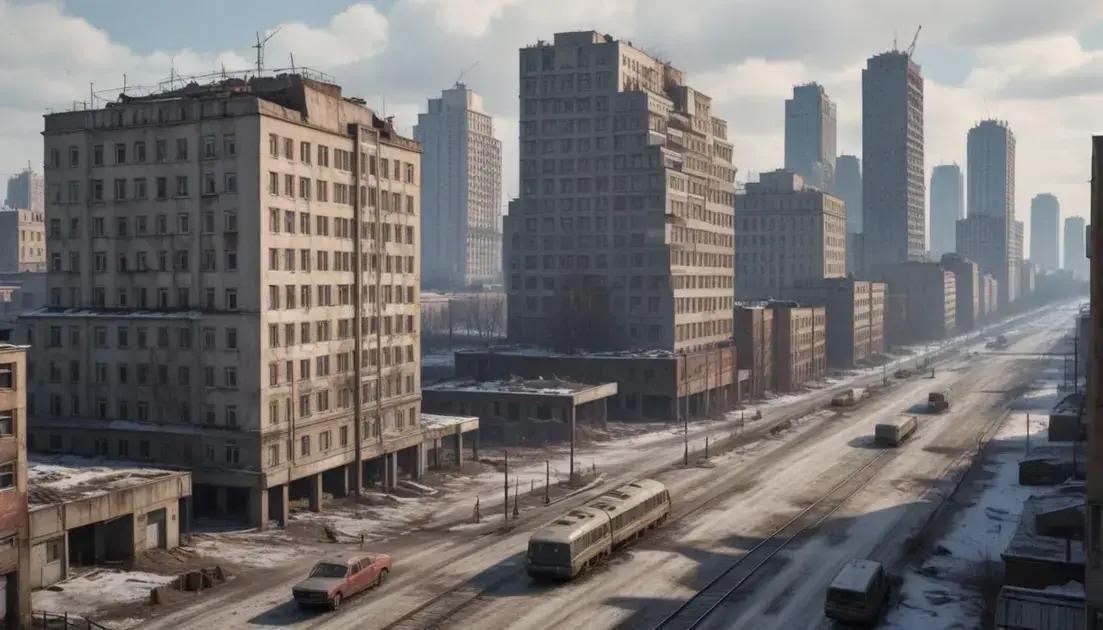
Nostalgia for the Soviet era is a powerful feeling in Russia today. Many people look back fondly on those times. They often remember a sense of stability and community.
Why People Feel Nostalgic
Life during the Soviet Union offered certainty. Jobs and housing were guaranteed, which many miss. There was a sense of belonging and shared purpose. Families often lived closely together, creating strong bonds.
Media and Culture’s Role
Media plays a big role in this nostalgia. Films and television shows often romanticize the Soviet past. This can make people feel pride in their history, even while facing modern challenges.
Generational Differences
Younger generations may not share this nostalgia. They often see the negatives of that time, like lack of freedom. However, older people hold onto these memories as they view them through a different lens.
Impact on Modern Politics
Nostalgia influences Russian politics too. Some leaders use this longing to promote their ideas. They highlight stability and strength, trying to connect with people’s past experiences.
Balancing Past and Present
Finding a balance between past and present is essential. While nostalgia can unite people, it shouldn’t prevent growth. Russia continues to change, and adapting to current realities is crucial.
Conclusion
In conclusion, nostalgia for the Soviet era remains strong in Russia today. Many people look back on those times with fondness. They remember the stability and community that marked their lives. However, while it’s essential to honor the past, it’s equally important to recognize the challenges of the present.
Balancing this nostalgia with a focus on today’s realities can help Russia move forward. Understanding the feelings of different generations is key. By embracing both the good and the bad, Russia can build a future that honors its history while also adapting to modern changes.
The interplay between nostalgia and progress will shape the country’s path. As Russia continues to evolve, blending lessons from the past will play a pivotal role in crafting a better future for all.