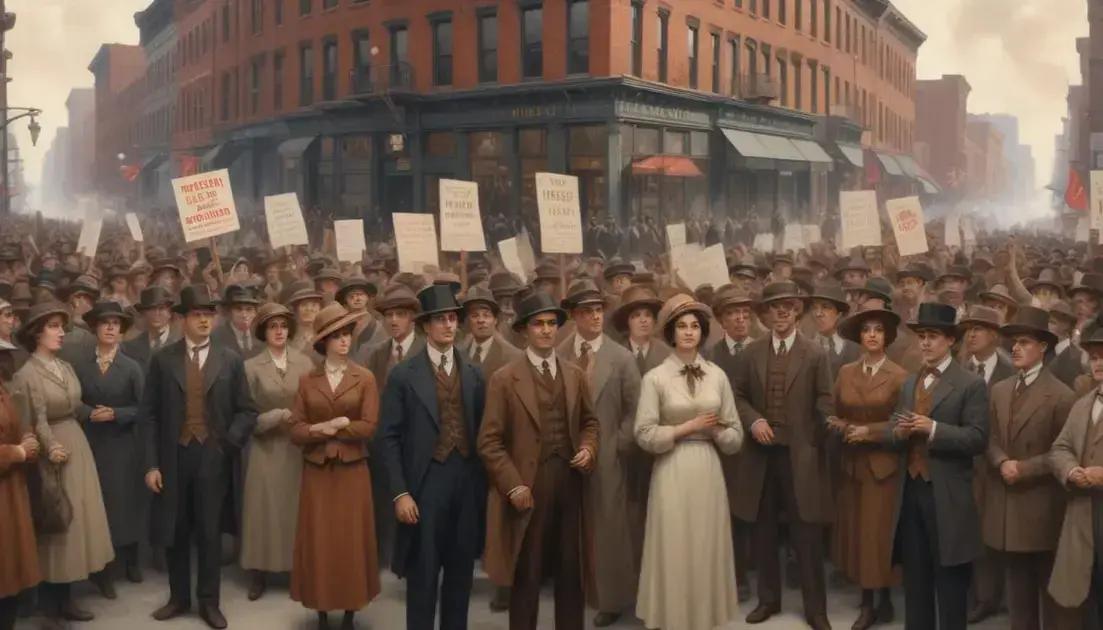
Progressive Era: reforming a rapidly changing nation
The Progressive Movement significantly transformed American society by advocating for reforms that addressed social justice, labor rights, and political accountability. Key legislative acts from this era, such as the Pure Food and Drug Act and the 19th Amendment, laid the foundation for ongoing activism and created protections that still impact us today. This movement’s legacy inspires modern groups fighting for equality and highlights the importance of civic engagement in shaping a better future.
Welcome to the Progressive Era, a time when activists rallied against corruption and inequality, reshaping our nation’s landscape!
Activism and the Progressive Era
Activism during the Progressive Era was all about fighting for change. People came together to challenge issues like corruption, inequality, and unfair business practices. Groups formed to push for reforms that would help the everyday citizen.
Key Movements and Their Impact
Many important movements emerged during this time. Women fought for the right to vote because they wanted their voices heard. Labor unions worked hard to improve working conditions and pay for workers. These efforts made a big difference in many people’s lives.
Notable Figures in Activism
Some great leaders helped shape the Progressive Era. People like Jane Addams and Ida B. Wells inspired many with their courage and vision. They stood up against injustice, bringing attention to issues that mattered deeply.
Strategies Used by Activists
Activists used various strategies to reach their goals. They organized rallies, wrote articles, and even went door-to-door to spread their messages. These tactics were powerful in raising awareness and gathering support.
The Legacy of Activism
The work done during the Progressive Era set the stage for future movements. It proved that ordinary people could make a difference. Today, we remember these efforts as vital to shaping our society and promoting social justice.
Key Figures in the Reform Movement
Many remarkable people shaped the Reform Movement during the Progressive Era. These key figures inspired change and fought for social justice. Their dedication helped push for laws that improved lives.
Jane Addams
Jane Addams was a leader in social reform. She co-founded Hull House, which helped immigrants and the poor. Her work focused on education and community support.
Ida B. Wells
Ida B. Wells was a bold activist and journalist. She fought against lynching and spoke out for civil rights. Her writings brought attention to racial violence and injustice.
Theodore Roosevelt
As president, Theodore Roosevelt made big changes. He pushed for antitrust laws to break up monopolies. He also supported conservation efforts to protect natural resources.
W.E.B. Du Bois
W.E.B. Du Bois was a founder of the NAACP. He worked for African American rights and education. His writings emphasized the need for equality and social change.
Margaret Sanger
Margaret Sanger fought for women’s health and reproductive rights. She opened the first birth control clinic in America. Her efforts helped women gain control of their bodies and lives.
These individuals and many others made lasting impacts on society. Their courage and determination inspired future generations to continue the fight for justice and equality.
Major Legislation and Reforms
During the Progressive Era, many important laws were passed. These laws aimed to address issues like corruption, worker rights, and public health. Each reform brought significant changes to society.
The Pure Food and Drug Act
The Pure Food and Drug Act of 1906 made sure that food and drugs were safe. It stopped false advertising and harmful ingredients. This law protected consumers and improved public health.
The Meat Inspection Act
The Meat Inspection Act also passed in 1906. This law required inspections of meat products. It ensured meat was safe for people to eat. This act helped build trust in the food industry.
The 19th Amendment
The 19th Amendment, passed in 1920, gave women the right to vote. This was a huge win for the women’s suffrage movement. It allowed women to have a voice in politics.
The Fair Labor Standards Act
The Fair Labor Standards Act, enacted in 1938, aimed to improve working conditions. It set standards for minimum wage and maximum working hours. This law helped to protect workers from exploitation.
The Social Security Act
In 1935, the Social Security Act was introduced. This act provided financial support to the elderly and disabled. It created a safety net for those in need, ensuring some basic level of income.
Each of these laws had a lasting impact. They shaped modern America and showed how activism can drive change.
Impact on Modern Society
The Progressive Era laid the groundwork for many changes we see today. Its reforms shifted how people viewed government and society. Activism from this time inspired future generations to continue fighting for equality and justice.
Social Reforms
Many social reforms from the Progressive Era still affect us. Issues like women’s rights and labor laws were shaped during this time. These laws made life better for many people and set important standards.
Political Change
Politics also changed a lot. The idea of direct democracy became more popular. Voter rights expanded, which made lawmakers more accountable to the people.
Legacy of Activism
The legacy of activism during this time is strong. Groups and movements today still draw inspiration from Progressive leaders. They fight for issues like civil rights, environmental protection, and social justice.
Public Awareness
Public awareness about social problems grew. Media coverage and literature raised issues like poverty and inequality. This focus brought many problems to light and encouraged people to take action.
Continued Challenges
While the Progressive Era achieved a lot, many challenges remain. Issues such as racism, poverty, and unequal access to education still need to be addressed. Today, activists continue to push for change just like those in the past.
Legacy of the Progressive Movement
The Progressive Movement left a strong legacy that influences us today. Many reforms and ideas from this era still shape our society. Activism during this time proved that change is possible.
Ongoing Activism
The spirit of activism remains alive today. Many present-day movements echo the struggles of the past. Groups continue to fight for civil rights, women’s rights, and environmental causes.
Social Justice Awareness
Thanks to the Progressive Movement, social justice is more recognized. People understand the importance of equality and fighting injustice. This awareness encourages more people to get involved.
Legal Changes and Protections
Laws established during the Progressive Era created lasting protections. Labor rights and consumer protections stem from this time. These laws continue to protect workers and consumers today.
Political Engagement
The Progressive Movement encouraged political engagement. Voter participation increased, and people realized their voices matter. Today, citizens actively participate in elections and hold leaders accountable.
Inspiration for Future Generations
The leaders of the Progressive Movement inspire future generations. Their stories of courage and determination motivate others to advocate for change. Young activists often look back at their achievements.
Conclusion
In conclusion, the Progressive Movement has greatly shaped our society. Its impact is still felt today through ongoing activism and social justice awareness. The laws and reforms introduced during this time continue to protect workers and consumers.
Moreover, the movement encouraged political engagement and inspired future generations to advocate for change. By looking back at the achievements of the past, we can motivate ourselves to continue fighting for justice and equality.
As we move forward, it’s important to remember the lessons learned from the Progressive Era. Their courage and dedication are powerful reminders that every voice matters. Together, we can create a better future for all.
Tags: