Prussia: the kingdom built on discipline and war
Prussia’s rise in the 19th century significantly influenced Europe through its military innovations, effective political strategies, and vibrant cultural developments. Under leaders like Otto von Bismarck, Prussia unified German states, reshaping national identities. This period saw remarkable advancements in industry and transportation, driving economic growth and trade. Cultural output, especially in music and literature, also flourished, inspiring neighboring nations. Overall, Prussia’s transformation fostered a legacy that profoundly impacted European politics, culture, and military practices.
Prussia is often overlooked in history lessons, yet this fascinating kingdom transformed from a mere speck on the map into a major European power. Want to know how?
Prussian Military Innovations
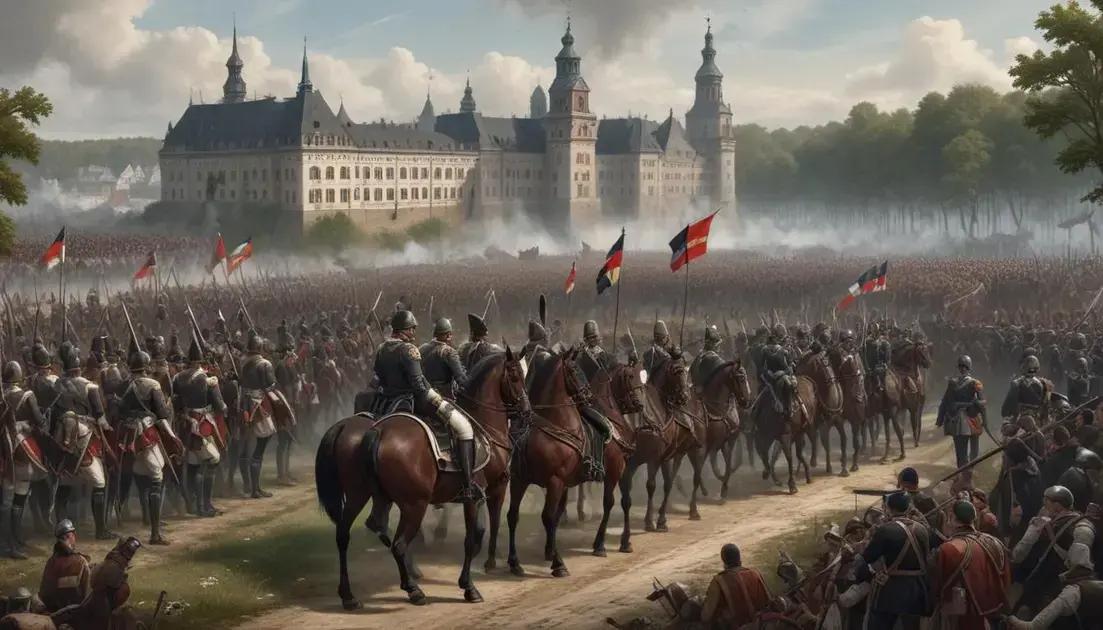
Prussia is known for its impressive military innovations. These changes shaped warfare in Europe. The Prussian army was all about discipline and training. They believed that a well-trained soldier was the key to success.
Key Innovations in Prussian Military
One major change was the introduction of the General Staff. This was a group of expert planners and strategists who helped organize the army better. With this system, they prepared for battles more effectively.
Focus on Training
Consistent training was vital in the Prussian military. Soldiers practiced drills regularly, making them quick and efficient in combat. This focus on preparation gave Prussian troops an edge over others.
Use of New Technology
Prussia also embraced technology. They used rifles that were more accurate and created new artillery methods. These helped them hit targets better and faster, changing how battles were fought.
Another exciting innovation was the use of telegraphy. This allowed them to communicate orders swiftly during battles. Quick communication meant they could adapt their plans in real time, often catching their enemies off guard.
Impact on Warfare
The Prussian military innovations significantly impacted European warfare. Other countries noticed their success and started to adapt similar practices. This means that Prussia not only changed its own army but influenced military practices around the world.
Cultural Developments
Prussia was not just about its military might; it was also a hub of cultural developments. Art, music, and literature flourished during its rise. Many famous artists and thinkers emerged from this region.
Influence of Music
Music played a key role in Prussian culture. Renowned composers like Hans von Bülow and Richard Wagner were associated with Prussia. They created works that resonated far beyond its borders.
Literary Growth
Literature also thrived. Writers like Theodor Fontane reflected the life and struggles of Prussian people. Their stories became classics and are still read today. They helped shape a strong national identity.
The Role of Education
Education was highly valued. The Prussian education system was seen as a model. It emphasized discipline and knowledge. This focus on learning produced many skilled individuals who advanced society.
Artistic Achievements
The visual arts flourished too. Painters like Adolph Menzel captured everyday life and historical events. Their works displayed pride in Prussian heritage.
As a result, Prussia became known for its cultural contributions. It was a place where art and ideas thrived, influencing many across Europe. The balance between culture and military strength made Prussia unique.
Political Strategies
Prussia’s rise to power involved clever political strategies. These strategies helped shape its government and military. Prussia was known for its strong leadership.
Unification of German States
One key strategy was unifying various German states. Leaders like Otto von Bismarck played a significant role in this. He used diplomacy and war to bring states together under Prussian leadership.
Realpolitik Approach
Bismarck’s approach was known as Realpolitik. This means focusing on practical goals rather than moral considerations. This strategy allowed Prussia to act decisively when needed.
Diplomacy and Alliances
Building alliances was another part of Prussia’s strategy. They formed strong relationships with other nations. For example, Bismarck secured important alliances with Austria and Italy.
Military Reforms
Political strategies also included military reforms. Prussia invested in modernizing its army. They emphasized training and technology, which proved crucial in battles.
Furthermore, Prussia’s ability to adapt politically gave it an advantage during conflicts. They skillfully navigated both war and diplomacy to expand their influence across Europe.
Economic Growth
Prussia experienced significant economic growth during its rise. This growth changed its landscape and made it stronger. Several factors contributed to this remarkable success.
Industrialization
One important factor was industrialization. Prussia invested in factories and manufacturing. This created jobs and boosted the economy. As a result, more people moved to cities for work.
Transportation Improvements
Better transportation played a key role too. Railroads and roads were built across the region. This made it easier to move goods and connect markets. Efficient transport opened new opportunities for trade.
Agricultural Reforms
Agricultural reforms also helped. Farmers adopted new techniques and technologies. This increased crop yields and improved food production. Growing a surplus meant more resources for cities.
Support for Entrepreneurs
The government encouraged entrepreneurship. They offered support for small businesses and innovations. This led to a thriving marketplace filled with new ideas and products.
Overall, Prussia’s economic growth was a blend of industry, transportation, agriculture, and entrepreneurship. These elements played a vital role in transforming Prussia into a powerful European state.
Influence on Europe
Prussia’s rise had a massive influence on Europe. It shaped politics, culture, and military efforts across the continent. Many countries looked to Prussia as a model.
Political Impact
Through clever strategies, Prussia unified many German states. This set a precedent for national unification in Europe. Other nations began to rethink their own political structures.
Cultural Exchange
Prussia also fostered cultural exchange. Artists, musicians, and writers from Prussia influenced others throughout Europe. Their works often combined tradition and innovation, inspiring movements in nearby countries.
Military Innovations
Prussian military practices changed how armies operated. Nations studied their tactics and strategies. Many European armies adopted similar training and organization methods to enhance their own forces.
Economic Growth and Influence
As Prussia grew economically, it attracted trade and investment. This prosperity allowed Prussia to expand its influence even further. Other European nations looked to emulate Prussian economic policies.
In short, Prussia’s influence on Europe was profound. Its approach to politics, culture, and economics reshaped the continent’s future.
Conclusion
In conclusion, Prussia’s rise shaped Europe in many ways. Its military innovations changed how nations approached warfare. The political strategies led to the unification of various German states. This encouraged other countries to rethink their own political structures.
The cultural developments in Prussia inspired art, music, and literature throughout the continent. As a result, many European nations adopted similar ideas to enrich their own cultures. Finally, Prussia’s strong economy became a model for growth, attracting trade and investment.
Overall, Prussia not only transformed itself but also left a lasting impact on Europe. The blend of military strength, political savvy, and cultural richness makes Prussia a fascinating subject in history.
Tags: