Rebuilding the South: America after the Civil War
The Reconstruction Era significantly shaped American history, focusing on rebuilding the South and integrating freed slaves into society after the Civil War. Key figures like Abraham Lincoln, Frederick Douglass, and Hiram Revels played crucial roles in promoting civil rights, education, and political participation. However, resistance from groups such as the Ku Klux Klan and the implementation of Black Codes led to lasting challenges, including racial segregation and economic hardship. The long-term effects of Reconstruction continue to influence the fight for equality and justice in contemporary America.
Reconstruction is more than just a period in American history; it’s a narrative of resilience following the Civil War. As the South rebuilt, the clashes between hope and reality often defined the era. Curious about how this period reshaped our nation? Dive in!
Understanding the Reconstruction Era
The Reconstruction Era was a significant time in American history. It happened after the Civil War, from 1865 to 1877. This era focused on rebuilding the South and integrating millions of freed slaves into society.
During Reconstruction, new laws and amendments were passed. The 13th Amendment abolished slavery. The 14th Amendment granted citizenship to all born in the U.S., including former slaves. The 15th Amendment aimed to protect the voting rights of African American men.
With these changes, many African Americans began to participate in politics. They voted and even held office for the first time. However, this progress was met with strong resistance from white Southerners.
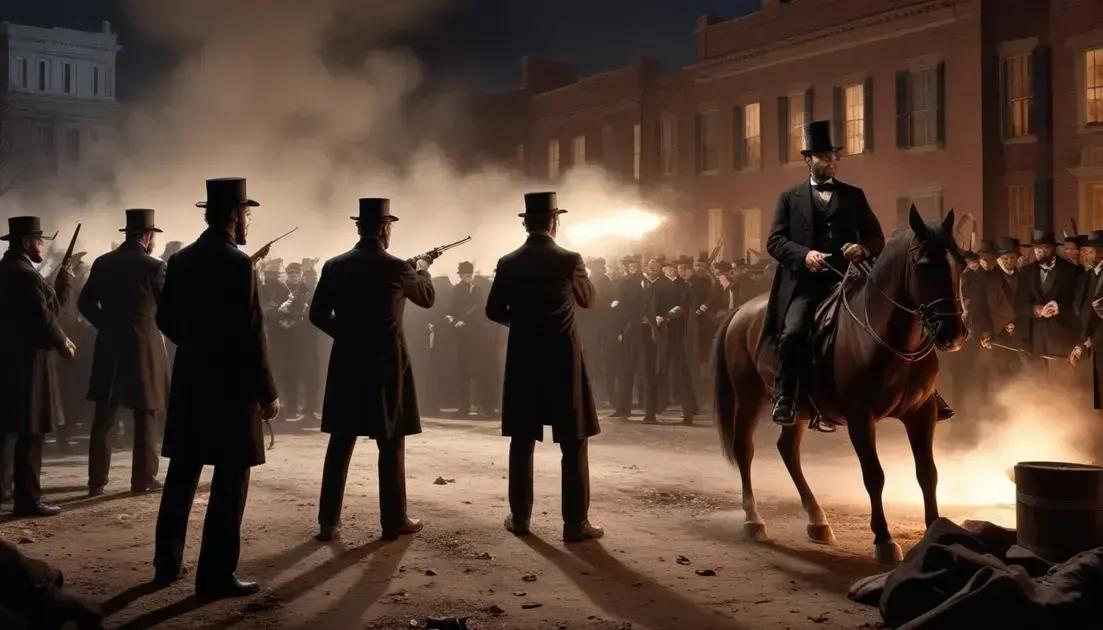
Groups like the Ku Klux Klan emerged during this time. They aimed to intimidate and suppress the rights of African Americans. Violence against these individuals increased, which made life even more difficult.
Despite the challenges, many people were hopeful. Schools and churches formed, creating a sense of community. Education became a priority for many freed slaves, who saw it as a pathway to a better future.
But as Reconstruction continued, Northern support faded. By the late 1870s, troops were withdrawn from the South. This withdrawal marked the end of Reconstruction. It also led to the rise of Jim Crow laws, which enforced racial segregation.
The Reconstruction Era, while brief, had lasting effects. It set the stage for civil rights movements in the years to come. The struggle for equality and justice had just begun, and its roots can be traced back to this important period.
The Impact of the Civil War on Southern States
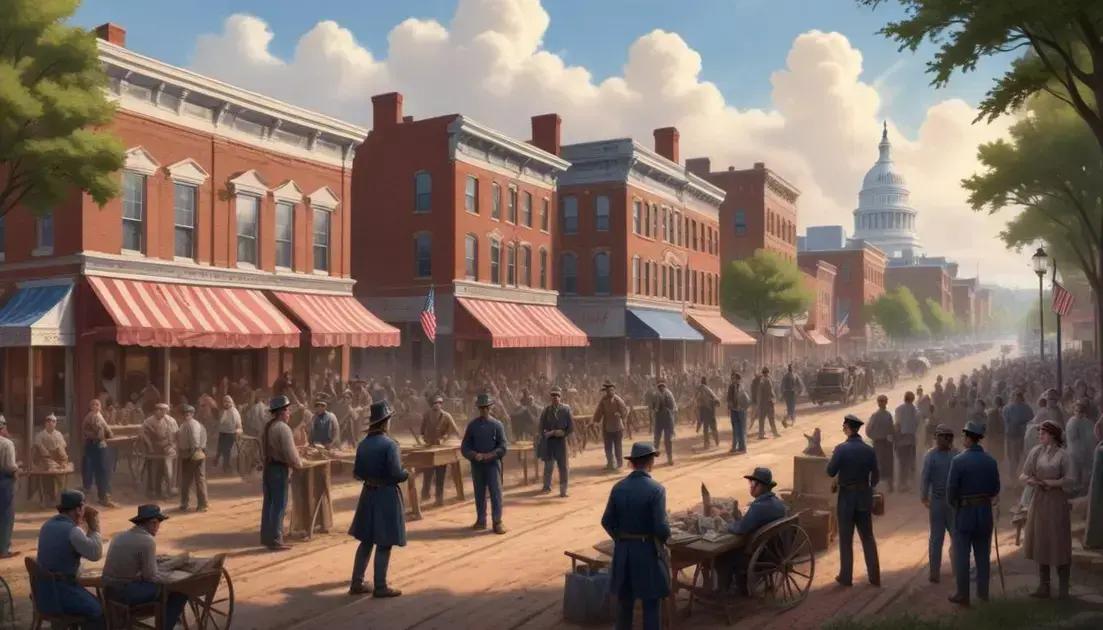
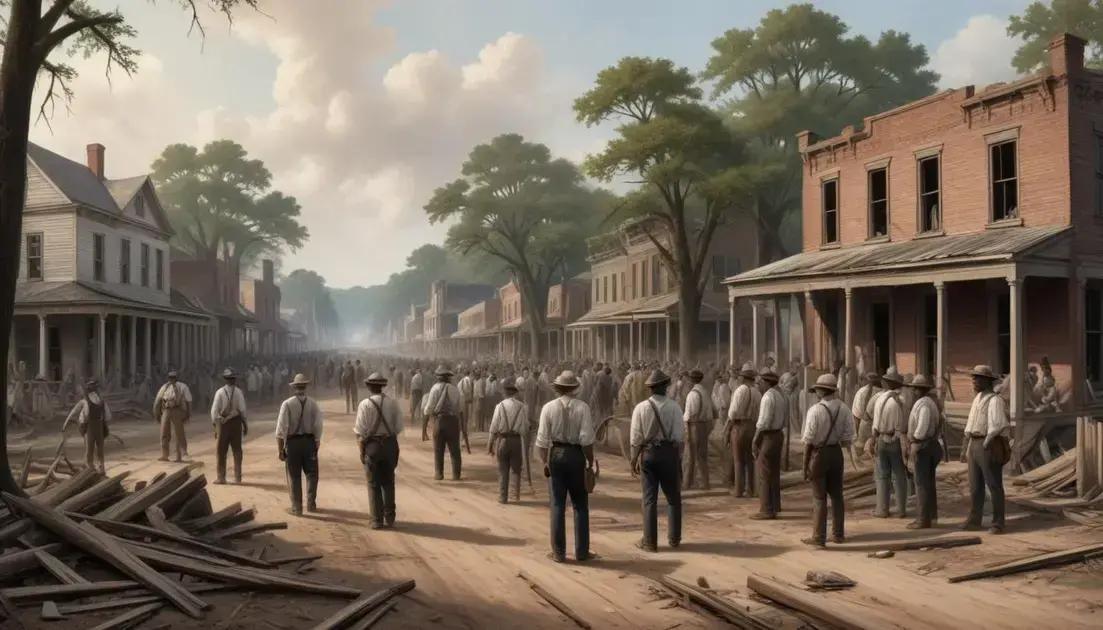
The Civil War had a huge impact on the Southern states. The war lasted from 1861 to 1865, but its effects were felt long after. Many Southern towns were destroyed. Buildings, homes, and farms were damaged or completely ruined.
With the war’s end, many people faced poverty. Without slavery, the economy struggled. Many farmers lost their labor force and didn’t know how to adapt. This created a crisis for families and communities.
During this time, people in the South looked for ways to rebuild. They tried new crops and farming techniques. Some turned to sharecropping, where they farmed land for a share of the crops. However, this often kept them in a cycle of debt.
The war also changed society. New laws aimed to give rights to the freed slaves. African Americans started to seek education and jobs. They dreamed of a better future, believing that freedom would bring opportunities.
Yet, not everyone welcomed these changes. Many white Southerners resisted the new social order. Groups like the Ku Klux Klan formed to push back against African American rights. Violence and intimidation became common in many areas.
The impact of the Civil War on Southern states was complex. It brought both challenges and hopes. People struggled to adapt, but they also found new ways to work together. This era was crucial in shaping the future of the South and America as a whole.
Key Figures in the Reconstruction Movement
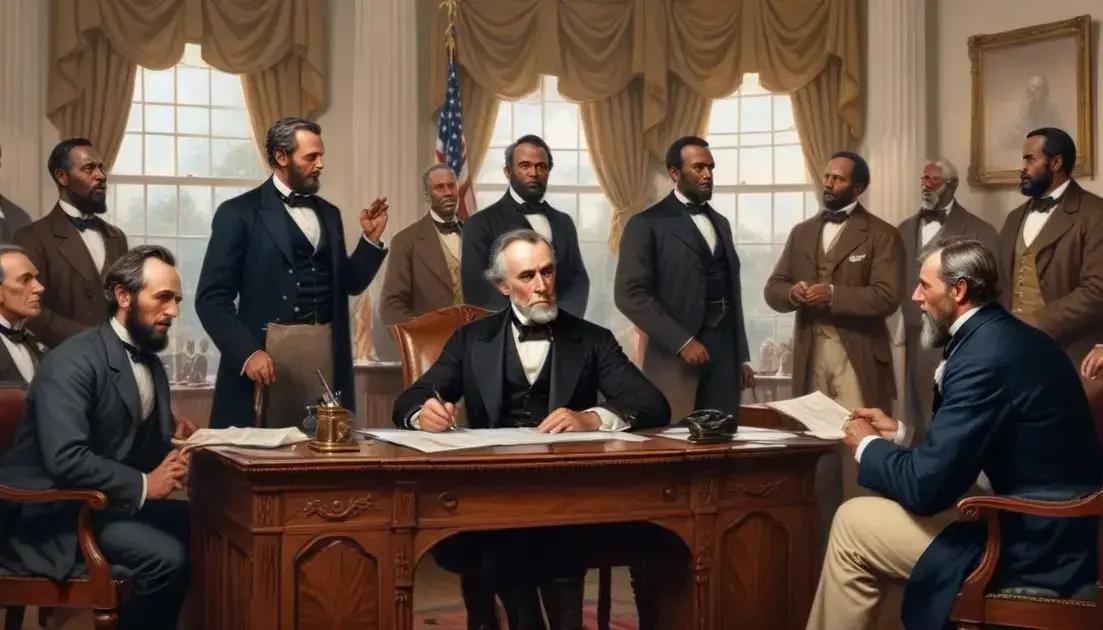
The Reconstruction Movement saw many important individuals. Each of these key figures played a role in shaping this period. Their actions and beliefs helped define America after the Civil War.
Abraham Lincoln was the President during the Civil War. While his life ended shortly before Reconstruction started, his policies set the stage. He aimed to reunite the nation and provide rights to freed slaves.
Frederick Douglass was a former slave and an influential activist. He fought for the rights of African Americans. Douglass believed in education and equality. He spoke out about the importance of voting rights for all men.
Thaddeus Stevens was a leading Radical Republican. He pushed for laws to protect African American rights. Stevens believed in land redistribution, giving land to freed slaves. He worked hard to ensure that the rights of Black Americans were recognized.
Ulysses S. Grant became President during Reconstruction. He supported civil rights and worked to enforce laws that protected freed slaves. Grant’s administration focused on helping rebuild the South.
Hiram Revels made history as the first African American to serve in the U.S. Senate. He represented Mississippi. Revels fought for equality and worked to improve education for Black people.
These key figures each contributed to the Reconstruction Movement. Their efforts created a foundation for future civil rights advancements. Each person’s legacy reminds us of the ongoing struggle for justice and equality in America.
The Role of Freedmen and Women in Rebuilding the South
Freedmen and women played a vital role in rebuilding the South after the Civil War. They faced many challenges but also found new opportunities. Their efforts helped shape southern society during Reconstruction.
After gaining freedom, many African Americans sought education. Schools were established to teach former slaves. These schools became community centers, fostering a spirit of hope. Education was seen as a key to a better life.
Freedmen worked to reunite families separated by slavery. They searched for lost relatives and re-established homes. Their determination to create families highlighted the importance of community.
Women, both Black and White, contributed significantly as well. They took on various roles, from teaching to nursing. Many women organized to support their communities, providing food, shelter, and care.
Freedmen also participated in politics. Some became leaders in their communities. They voted and ran for office. Their involvement helped push for laws that protected their rights.
Sharecropping became a common practice among freedmen. This system allowed them to work the land in exchange for a portion of the crops. While it had challenges, it provided an opportunity for many to earn a living.
Overall, the contributions of freedmen and women were crucial in shaping the post-war South. Their resilience and determination paved the way for future generations. They not only worked to rebuild their lives but also fought for justice and equality.
Resistance and Backlash during Reconstruction
Resistance and backlash were significant during the Reconstruction period. Many white Southerners opposed the changes that came after the Civil War. They wanted to restore their power and way of life.
One of the most notable groups was the Ku Klux Klan. This secret society emerged to intimidate African Americans and their allies. They used violence, threats, and terror to control black communities.
Other white supremacist groups also formed. They aimed to undermine African American rights. These groups spread false information about freedmen and portrayed them as dangerous.
Political resistance was also common. Some Southern leaders passed laws to limit African Americans’ rights. These laws, known as Black Codes, restricted freedoms and aimed to keep former slaves in a position similar to slavery.
Intimidation at the polls also took place. Many African Americans faced violence when trying to vote. White supremacists wanted to ensure that freedmen could not participate in elections.
Despite these challenges, many people resisted the backlash. African Americans and their allies fought for their rights. They organized, protested, and worked to change the laws that oppressed them.
Overall, the backlash during Reconstruction highlighted the deep divisions in American society. While resistance was fierce, it also led to a stronger push for justice and equality in the long run.
The Long-term Effects of Reconstruction
The long-term effects of Reconstruction are felt even today. This period brought many changes in American society and politics. While Reconstruction aimed to heal the nation, it also set the stage for ongoing struggles.
One major effect was the rise of racial segregation. After Reconstruction ended, many Southern states enacted laws to keep African Americans separate from whites. These laws, known as Jim Crow laws, enforced racial discrimination for decades.
Another impact was on civil rights. The fight for equality continued long after Reconstruction. Many African Americans and their allies struggled to gain the rights promised by the amendments. This struggle laid the groundwork for future civil rights movements.
Education also changed significantly. Freedmen’s schools opened during Reconstruction. They helped African Americans gain access to education. This focus on education led to increased literacy rates among black communities over time.
Economically, the South faced challenges. The sharecropping system created a cycle of debt, trapping many families. This system lasted well into the 20th century and affected economic opportunities for African Americans.
Reconstruction’s legacy is complex. While it brought hope and new rights, it also faced fierce backlash. The challenges faced during this time shaped American society and bred resilience among African Americans.
Ultimately, the long-term effects of Reconstruction remind us of the ongoing journey for justice and equality in the U.S. They highlight both progress and the ongoing struggles against racism and inequality.
Conclusion
In conclusion, the Reconstruction Era was a pivotal time in American history. It aimed to rebuild the nation after the Civil War and address the needs of freed slaves. While the efforts brought some progress, they also faced powerful resistance and setbacks.
Key figures and communities played vital roles in shaping this period. Their struggles and achievements laid the groundwork for future civil rights movements. The long-term effects of Reconstruction remind us of both the advancements and challenges that followed.
As we reflect on this important chapter, we see how it created a path for ongoing efforts toward equality and justice. Understanding this history helps us recognize the importance of continuing the fight for civil rights today.