Reformation: the religious revolution that split Europe
The Reformation, sparked by Martin Luther’s 95 Theses, transformed religious and societal structures in Europe. It led to the rise of Protestantism, questioning Catholic authority and emphasizing individual interpretation of the Bible. Key figures like John Calvin and Huldrych Zwingli played important roles in shaping new religious movements. The Counter-Reformation countered Protestantism with reforms aimed at correcting abuses within the Catholic Church. Long-term effects included increased literacy, cultural developments, and shifts in political power dynamics, significantly influencing modern European society.
Reformation is not just a chapter in history; it’s a movement that reshaped the very fabric of Europe. Ever wondered how Martin Luther’s bold ideas sparked such profound changes? Buckle up as we dive into this incredible story!
The impact of Martin Luther’s 95 Theses
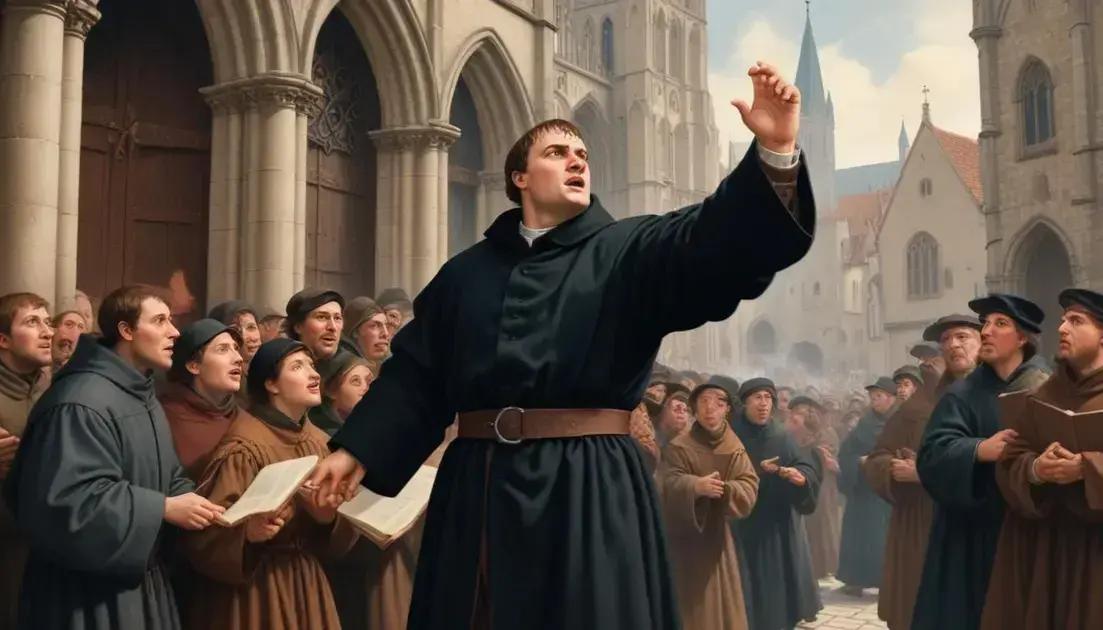
Martin Luther’s 95 Theses had a huge impact on the world. These statements challenged the practices of the Catholic Church. They focused on issues like selling indulgences. Indulgences were payments that people thought could reduce their sins.
When Luther nailed his 95 Theses to a church door, he started a debate. People began to question the church’s authority. Many were inspired by his courage. Others felt it was time for change.
The theses sparked the Reformation, leading to the rise of Protestantism. This movement brought new ideas about faith and worship. It changed how people viewed religion.
Luther’s actions led to major changes in education, politics, and society. With more people reading texts in their languages, knowledge spread quickly. This allowed many to form their own ideas about faith.
The ripple effects of Luther’s work are still felt today. His bold stance opened doors for new branches of Christianity. Each one had its unique beliefs and practices.
Overall, Luther’s 95 Theses marked the start of a major revolution. It challenged old beliefs and inspired many to seek truth in new ways.
The rise of Protestantism
The rise of Protestantism was a key part of the Reformation. Martin Luther’s ideas inspired many people to break away from the Catholic Church. His teachings offered a new perspective on faith and salvation.
Protestantism emphasizes the importance of the Bible. Followers believe everyone should read and interpret it for themselves. This idea was radical at the time. It challenged the church’s control over religious knowledge.
Many other leaders emerged during this time. Figures like John Calvin and Huldrych Zwingli sparked movements. Each made unique contributions to Protestant thought.
Protestantism also encouraged the formation of new churches. These included Baptists, Methodists, and Presbyterians. Each group has its beliefs and practices, but they share a common rejection of the Catholic Church’s authority.
In many areas, the shift led to conflicts. Wars and debates erupted over differing beliefs. Communities were often divided along religious lines.
The rise of Protestantism changed the social landscape too. It promoted education and literacy as people wanted to read the Bible. Schools and universities blossomed in various regions.
This movement has had lasting effects. It influenced politics, culture, and individual rights across Europe and beyond. Today, Protestantism remains one of the largest branches of Christianity.
Key figures in the Reformation
The Reformation featured several key figures who made a big impact. Each played a unique role in shaping its direction. First, there’s Martin Luther. His posting of the 95 Theses sparked the movement.
Another important figure is John Calvin. He introduced the idea of predestination. This concept suggests that God has already chosen who will be saved.
Huldrych Zwingli was also vital. He led the Reformation in Switzerland. Zwingli focused on reforming worship practices and church governance.
Then there’s Thomas Cranmer, the Archbishop of Canterbury. He helped break the Church of England away from the Catholic Church. His contributions are central to Anglicanism.
Women played a role too. Figures like Katherina von Bora, Luther’s wife, influenced the marriage norms of clergy. She promoted a view of marriage based on mutual respect.
Each of these individuals faced challenges. They risked their lives and livelihoods for their beliefs. Their courage inspired many others to join the Reformation.
These key figures laid the groundwork for modern Christianity. Their influence continues to shape religious thought today.
The Counter-Reformation responses
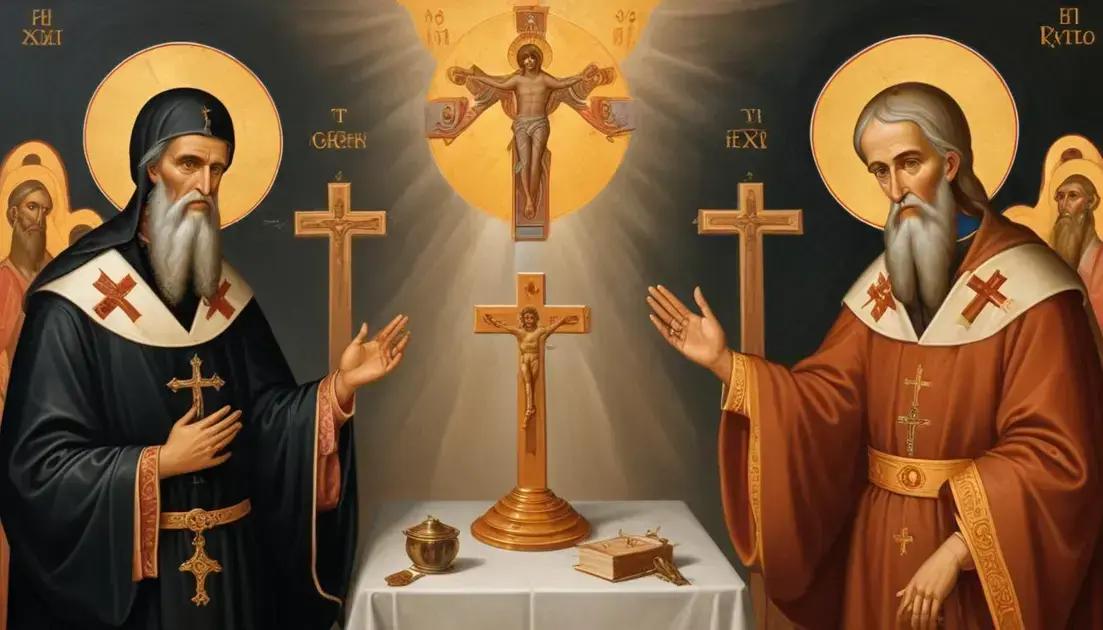
The Counter-Reformation was a response to the Protestant Reformation. The Catholic Church recognized the need for change. It aimed to address criticisms and revive its influence.
One key response was the Council of Trent. This council met multiple times between 1545 and 1563. It clarified church teachings and corrected abuses. Reforms focused on improving the behavior of clergy and laity.
The church also strengthened its education efforts. New religious orders, such as the Jesuits, emerged. The Jesuits focused on education, missionary work, and defending Catholic beliefs.
Art played a significant role in the Counter-Reformation. The Church funded magnificent works of art to inspire faith. Artists like Caravaggio and Bernini used dramatic styles to attract the faithful.
Another response was the Index of Forbidden Books. This list aimed to prevent the spread of Protestant ideas. It included publications deemed harmful to Catholic teaching.
Strong involvement of the papacy marked this period. The popes wanted to reassert their authority. They took action against those who opposed Catholic teachings.
The Counter-Reformation had long-lasting effects. It preserved Catholicism in many countries. The changes also led to new divisions in Europe, affecting society for years to come.
The long-term effects on European society
The Reformation had long-term effects on European society. It changed how people viewed religion and authority. Many began to question the Church and its teachings.
One significant impact was the rise of individualism. People started to think for themselves. They believed in personal relationships with God, rather than relying solely on the Church.
The Reformation also led to increased literacy. With the emphasis on reading the Bible, more people learned to read. This created a demand for books and education.
Politically, the Reformation shifted power dynamics. Kings and government leaders gained more influence as they supported Protestant ideas. This sometimes led to conflicts with the Catholic Church.
Socially, new Protestant denominations emerged. Each brought different beliefs and practices. These changes allowed for a variety of religious expressions in society.
The Reformation also encouraged the development of new art and culture. Artists created works that reflected the new ideas of the time. This period saw a flourishing of creativity across Europe.
Overall, the Reformation set the stage for modern Europe. Its effects can still be seen today in various aspects of society.
Conclusion
In conclusion, the Reformation played a crucial role in shaping modern Europe. It changed how people viewed religion and authority. Individualism grew as people began to think for themselves and seek personal connections with God.
Increased literacy and the rise of various Protestant denominations transformed society as well. Politically, leaders gained more power, often clashing with the Catholic Church. The cultural impact was significant, leading to a rich period of creativity and new ideas.
Today, the effects of the Reformation are still evident. Its legacy can be seen in our diverse religious beliefs, increased emphasis on personal faith, and the cultural richness throughout Europe. Understanding this past helps us appreciate today’s society better.