Roanoke: America’s oldest unsolved mystery
The Roanoke colony, known for its mysterious disappearance, highlights the struggles of early American settlers and raises questions about their fate. Theories range from joining local tribes to facing disastrous conditions. This legacy continues to captivate imaginations and inspire research, demonstrating the lasting impact of Roanoke on American history and culture.
Roanoke mystery still haunts historians and mystery lovers alike. What happened to the first English settlement in America? Join us as we uncover hidden clues!
The Vanishing Act of Roanoke
The story of the Roanoke colony is one of the greatest mysteries in American history. Established in 1587, the settlers vanished without a trace, leaving no clear answers as to what happened.
What Happened to the Colony?
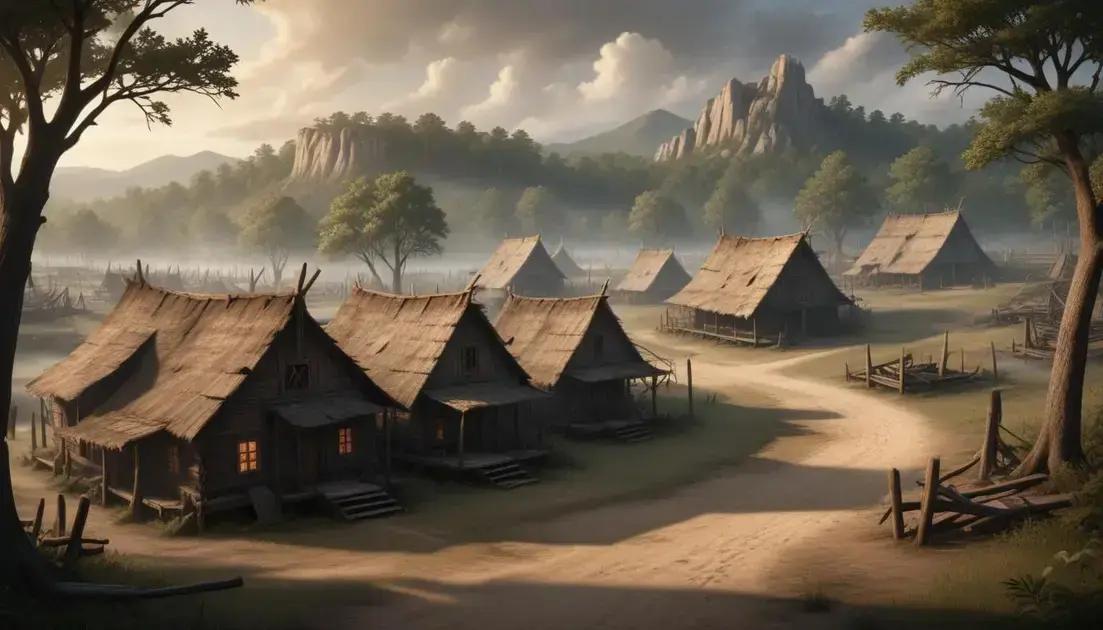
When John White returned after three years, he found Roanoke deserted. There was no sign of the settlers, just the word “Croatoan” carved into a tree. This was the name of a nearby island.
Some believe the settlers tried to join local tribes. Others think they faced hardships and perished. Still, many theories exist about their fate. Some say they may have become part of the Croatoan tribe themselves.
Theories Behind the Disappearance
Various theories help explain this mystery. One common idea is that the settlers struggled to find food. Facing tough weather and lack of supplies might have led them to seek help among Native Americans.
Another possibility is that they attempted to sail back to England but encountered issues at sea. However, there’s no real evidence to support these claims.
Even today, archaeologists study the area, hoping to uncover more clues that might reveal the truth about Roanoke’s vanishing act.
The Legacy of Roanoke
The disappearance of the Roanoke settlers has sparked countless stories and legends. It raises questions about survival, community, and human resilience. The mystery still fascinates people, and it invites new researchers to explore.
While we may never know the full story, the Roanoke mystery remains a captivating topic. It challenges us to think about what life was like for those early settlers and the challenges they faced.
Historical Context of the Settlement
The Roanoke settlement was one of the first attempts by the English to establish a colony in America. It began in 1585 when Sir Walter Raleigh sponsored the expedition.
Initially, the settlers arrived to explore and set up a base for future English operations. They aimed to expand trade and compete with Spanish claims in the New World.
Life for the early colonists was tough. They faced hardships such as food shortages and conflict with Native Americans. The relationship with the local tribes was complex, involving trade and tension.
In 1587, a new group of settlers arrived, led by John White. They hoped to create a more permanent presence. Shortly after settling, John returned to England for supplies.
His journey took longer than expected. When John finally returned in 1590, he found the colony abandoned. The only clue left behind was the word “Croatoan” carved on a tree.
This mystery highlights the struggle of early settlers. They faced many challenges as they tried to adapt to a new land. Their story reflects broader themes of exploration, survival, and the impact of European colonization on Native American societies.
Understanding this historical context helps us appreciate the significance of the Roanoke mystery and its lasting impact on American history. The tales of these early settlers continue to captivate our imagination.
Unraveling Clues
Unraveling the mysteries of the Roanoke colony involves examining every clue left behind. The word “Croatoan” carved on a tree is the most famous hint.
Some historians believe that clue points to the nearby Croatoan Island. This suggests that settlers may have moved there. However, no evidence has confirmed this theory.
Archaeologists have searched the region for artifacts. They hope to find tools, pottery, or any signs of the missing colonists. Each discovery may provide valuable insights.
Another angle to explore is the relationships the settlers had with Native Americans. They traded goods, which might have influenced their survival. It’s possible they integrated into local tribes for safety and support.
Oral histories from Native American tribes may hold secrets too. These stories passed down through generations can offer clues about what happened in 1587.
Scientists also use technology, like ground-penetrating radar. This helps detect buried artifacts, providing leads without disturbing the ground much.
Each clue is a piece of a larger puzzle. By studying every detail, we can better understand the fate of the Roanoke settlers. Their story continues to captivate historians and adventurers alike.
Implications of the Mystery
The mystery of the Roanoke colony has deep implications for American history. It raises questions about early colonization and survival.
One significant implication is the impact of European settlement on Native cultures. The arrival of settlers changed everything for the Indigenous tribes. Relationships, both friendly and hostile, formed during this time.
Learning about Roanoke helps us understand the challenges these early settlers faced. They struggled with food shortages and harsh conditions. This reflects the hardships faced by many colonies in that era.
The disappearance has also fueled myths and legends in America. The tales of lost colonists create a sense of intrigue. They spark imagination and curiosity about the past.
In literature and popular culture, Roanoke serves as an example of mystery and adventure. Many stories and films draw inspiration from this unsolved case. Such narratives keep the legend alive in our culture.
Moreover, the ongoing search for answers reminds us of our desire to discover truth. It encourages archaeologists and historians to explore new techniques to find clues.
Overall, the implications of Roanoke extend beyond just a lost settlement. They touch on themes of exploration, contact between cultures, and the enduring nature of mystery in American history.
Legacy and Theories Surrounding Roanoke
The legacy of the Roanoke colony is rich and complex. It represents the struggles of early American settlers. Over time, this mystery has inspired numerous theories.
One popular theory suggests that the settlers may have joined local tribes. This idea arises from the word “Croatoan” found carved into a tree. It hints they might have sought help from nearby Native Americans.
Another theory argues that the colony failed due to harsh conditions. Food shortages and conflicts with Indigenous peoples could have led to their disappearance. These hardships were common for early colonies.
Some believe that a shipwreck could have been involved. Perhaps they tried to return to England and met disaster at sea. But without evidence, this remains just speculation.
The story of Roanoke has also led to various adaptations in popular culture. Books, films, and TV shows often explore the mystery of the lost colony. This keeps the idea alive in our collective imagination.
Despite the lack of conclusive evidence, curiosity about Roanoke endures. Historians and archaeologists continue to seek answers. Every clue uncovered adds to the ongoing conversation about Roanoke’s legacy.
Whether facts or folklore, Roanoke’s story resonates today. It serves as a reminder of the challenges faced by early settlers and the unknowns of American history.
Conclusion
In conclusion, the mystery of the Roanoke colony continues to fascinate us today. This story reminds us of the challenges early settlers faced as they explored new lands. The questions surrounding their disappearance still spark curiosity and research.
Many theories exist, from joining local tribes to the possibility of disaster at sea. Each theory adds a new layer to the legacy of Roanoke. As historians and archaeologists uncover new clues, the pursuit of understanding this mystery remains alive.
In popular culture, the Roanoke story encourages imagination and storytelling. Whether in books, movies, or shows, it captures the intrigue of lost history. Ultimately, the tale of Roanoke reminds us of the courage, struggles, and unknowns of those who came before us.