Rock in the Cold War: The Sound of Freedom
The legacy of music in political struggles illustrates its role in inspiring change and uniting communities. Throughout history, artists have used their songs as powerful tools for protest, capturing the spirit of various movements, from civil rights to global protests. Songs not only echo the fight for freedom but also connect generations and foster a shared cultural identity, showing how music continues to drive social movements today.
Have you ever stopped to think about how music became a force of change during the Cold War? The Cold War was not just defined by politics, but also by the melodies that fought against oppression. Let’s dive into the powerful stories behind the songs that echoed freedom!
The Role of Music in the Cold War
Music played a key role during the Cold War. It wasn’t just entertainment; it was a tool for change. Many artists used their songs to speak out against oppression and encourage freedom.
Artists Who Made a Difference
Famous musicians like Joan Baez and Bob Dylan wrote powerful songs that highlighted social issues. Their lyrics inspired people to question the status quo and fight for their rights. These artists brought hope to those living under oppressive regimes.
The Impact of Radio
Radio stations, like Radio Free Europe, broadcast music and news to people in Eastern Europe. This helped create a sense of community and connection. Music was a lifeline, reminding listeners that they were not alone in their struggles.
Protests and Songs
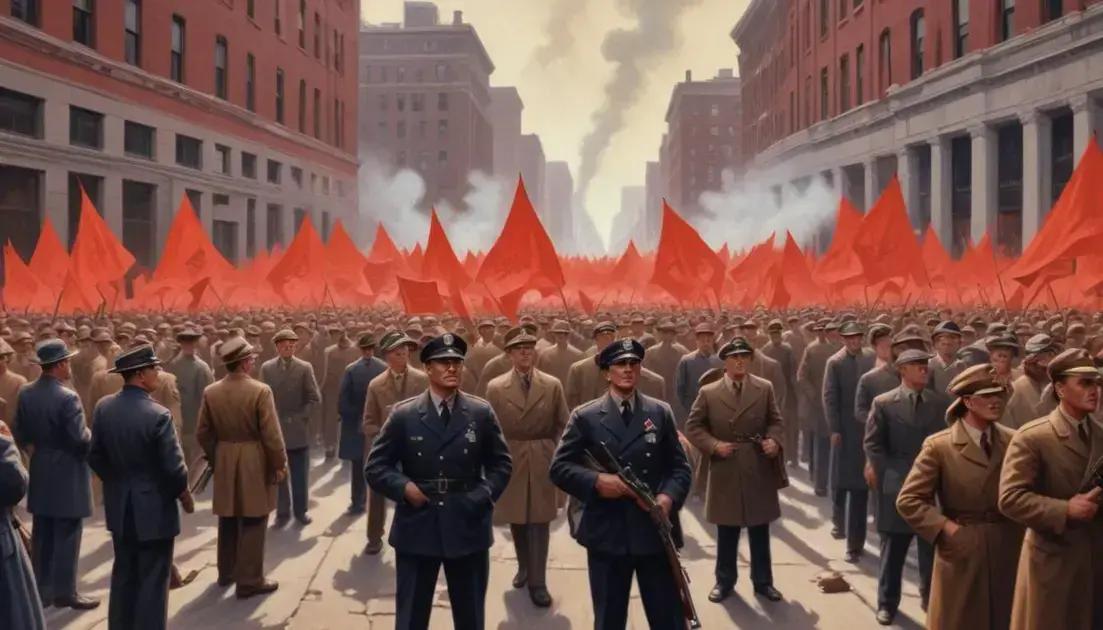
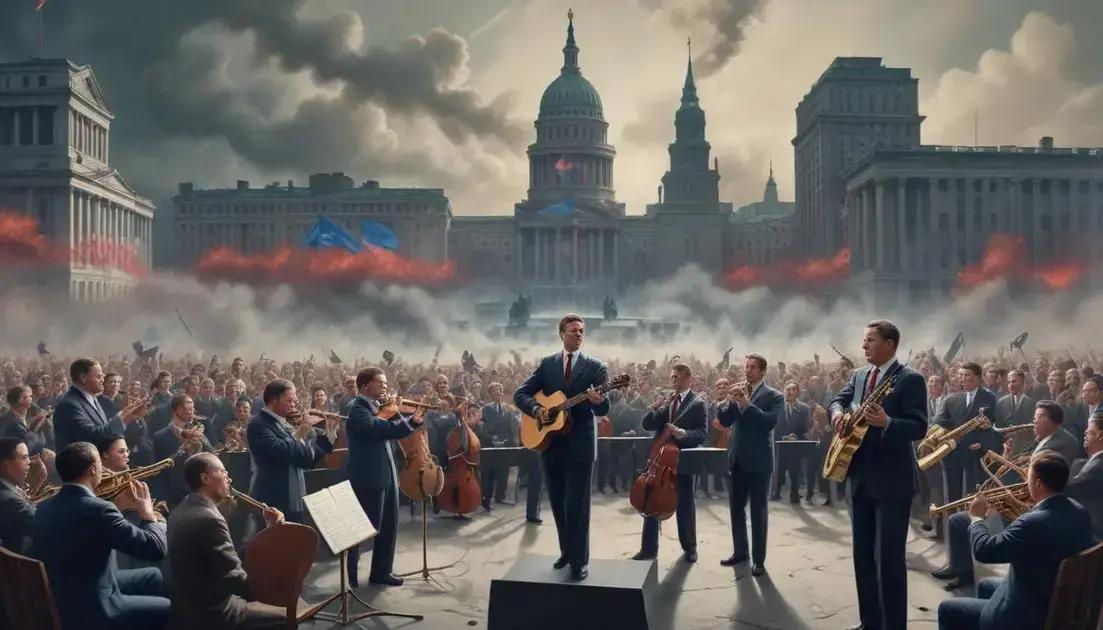
During protests, groups gathered to sing songs of freedom. These gatherings were about more than music; they were about unity and resistance. The songs united people under a common cause, giving them strength to face challenges.
Legacy of Cold War Music
Today, the music from that time is still remembered. It tells stories of courage and hope. The songs continue to inspire new generations to fight for their rights.
Overall, music during the Cold War was a powerful force. It could uplift spirits and unite people in their fight for freedom. Even now, we can see how music influences social change and expresses our deepest feelings.
Famous Artists and Their Impact
Some artists truly shaped the cultural landscape during the Cold War. Their songs went beyond entertainment; they carried messages of hope and resistance. Artists like Bob Dylan and Joan Baez used their music to call out injustices and inspire change.
Bob Dylan’s Influence
Bob Dylan wrote powerful songs that spoke to the struggles of the time. One of his most famous songs, “The Times They Are A-Changin’,” became an anthem for those seeking change. It urged people to embrace the moment and stand up for their rights.
Joan Baez’s Activism
Joan Baez was not just a singer; she was an activist. She used her platform to fight for civil rights and peace. Her song “We Shall Overcome” became a rallying cry for many, reminding people that change is possible when we stand together.
The Role of Protest Songs
Protest songs were popular during this period. They connected people who felt the effects of oppression. These songs often highlighted the struggles faced by ordinary individuals. They reminded listeners that they weren’t alone.
International Impact
Artists from around the world joined in too. In Eastern Europe, musicians used their voices to challenge the status quo. They found clever ways to share their messages despite heavy censorship.
The contributions of these famous artists made a significant impact. Their bravery and creativity inspired countless others to speak out and stand up for their beliefs. Music became both a source of comfort and a tool for change.
The Connection Between Song and Freedom
Music has always been tied to the idea of freedom. During the Cold War, songs helped people express their hopes and dreams. Music gave voice to those who felt oppressed and inspired many to fight for their rights.
The Power of Lyrics
Song lyrics can touch the heart and spark change. They often speak about longing for freedom and justice. For many, these songs became anthems of hope. They reminded listeners that freedom is worth fighting for.
Gathering and Unity
People often gathered to sing songs of freedom. These moments created a strong sense of community. Singing together helped bolster spirits. It reminded everyone they were not alone in their struggles.
Symbols of Resistance
Certain songs became symbols of resistance. They were played at protests and rallies. When people heard them, they felt empowered to take action. These songs fueled the fight against oppression.
Global Influence
The connection between song and freedom wasn’t just local. Artists from different countries shared messages of hope. Their songs crossed borders and united diverse groups seeking freedom. This global connection strengthened the overall movement.
Ultimately, the bond between song and freedom continues today. Music remains a powerful tool for change. People still use it to express their desire for a better world.
Case Studies of Musical Resistance
Musical resistance has a rich history, especially during the Cold War. Many artists used their songs to challenge authority and inspire change. Let’s look at a few case studies that show the power of music in protests and movements.
Peter, Paul and Mary
This folk trio wrote songs that resonated with many. Their song “Blowin’ in the Wind” asked important questions about peace and justice. It became an anthem for the civil rights movement. People used it to urge change, showing how music inspires action.
The Role of Rock in Eastern Europe
In Eastern Europe, rock music became a form of defiance. Bands like Cesky Slavik spoke out through their lyrics against oppressive regimes. Their songs connected with young people, giving them hope and courage to resist.
Anti-Apartheid Music in South Africa
In South Africa, artists like Hugh Masekela and Johnny Clegg used their music to fight apartheid. Their songs highlighted the struggles of black South Africans. These artists used global platforms to spread their message and connect with audiences worldwide.
Global Protests
Artists from around the world collaborated during various movements. Many wrote songs about freedom and equality. Music festivals became vital spaces for activists. These gatherings helped unite people under common causes, showing music’s unifying power.
These case studies show how music can inspire action and solidarity. Stories of musical resistance remind us that songs can change the world one note at a time.
Legacy of Music in Political Struggles
The legacy of music in political struggles is profound. It has the power to inspire and unite people. Throughout history, songs have recorded the fight for change. They remind us of the strength found in solidarity.
Music as a Protest Tool
Artists have often used their music to protest injustice. Songs serve as a rallying cry for movements. They express the feelings of those who demand change. Music can capture the spirit of the times, showing what people care about.
Connection Across Generations
Many songs from past movements still resonate today. They connect younger generations with the struggles of their predecessors. For example, songs from the civil rights movement inspire today’s activists. They show that the fight for justice continues.
Influence on Cultural Identity
Music shapes cultural identity during political struggles. It expresses shared values and experiences. National anthems and protest songs can foster a sense of belonging and citizenship. These songs often remind people of their collective goals.
Documenting Change
Many famous songs have documented significant political changes. For instance, songs inspired by the Vietnam War often criticized government actions. They sparked conversations about freedom and rights, influencing public opinion.
Today, music remains a vital part of social movements. It drives people to speak up and act. The legacy of music in political struggles will continue to inspire future generations.
Conclusion
In conclusion, music has played a vital role in political struggles throughout history. It connects people, inspires change, and documents the fight for justice. Songs serve as powerful tools that bring communities together, allowing them to express their hopes and challenges.
From the civil rights movement to modern protests, music continues to resonate with those fighting for freedom. As we look to the future, we should remember the lessons learned from the past. The legacy of music will always remind us of our shared journey toward a better world.
Tags: