Rwanda: the genocide the world failed to stop
The Rwanda genocide, which resulted in the deaths of over 800,000 people in just 100 days, highlights the severe consequences of international inaction. Key factors included a history of ethnic tension between the Hutu and Tutsi groups, ignored warnings from the UN, and a lack of decisive intervention from global powers. The long-lasting effects on survivors, families, and society are profound, demonstrating the urgent need for effective responses to prevent future atrocities and protect human rights.
Rwanda stands as a poignant reminder of humanity’s failure. The tragic events of the genocide highlight urgent questions of responsibility. How could the world stand by?
Historical context of the Rwanda genocide
The historical context of the Rwanda genocide is vital to understanding what happened. Before the genocide in 1994, Rwanda faced a long history of ethnic tension. The two main groups, the Hutu and the Tutsi, had been in conflict for decades.
Colonial Legacy
During colonial rule, the Belgians favored the Tutsi over the Hutu. This created a divide and led to resentment among the Hutu. After independence in 1962, tensions grew, and there were violent outbreaks.
Political Unrest
In the years before the genocide, Rwanda experienced political turmoil. The Rwandan Patriotic Front (RPF), mainly made up of Tutsi exiles, launched attacks against the Hutu-led government.
This conflict resulted in a civil war that escalated fears and hatred. The media played a significant role in spreading propaganda, fueling hatred towards the Tutsi. The situation became dire as leaders used ethnic identities to rally support.
The Spark of the Genocide
The spark for the genocide came when the plane carrying Rwandan President Habyarimana was shot down in April 1994. This incident triggered mass violence, with organized killings targeting Tutsi and moderate Hutu.
Understanding this historical context is crucial. It shows how deeply rooted the issues were and why the genocide unfolded as it did. The effects of these events continue to resonate today.
Failure of the international community
The failure of the international community during the Rwanda genocide is a critical topic. Many countries and organizations had the chance to intervene but did not. They failed to act despite clear signs of impending violence.
Ignored Warnings
Leading up to the genocide, there were numerous warnings. Reports of mass killings and ethnic tensions were widespread. However, the world largely ignored these alerts.
UN Peacekeepers
UN peacekeepers were in Rwanda before the genocide began. Unfortunately, they had limited resources and no authority to intervene. They were unable to protect civilians as violence broke out.
The international community hesitated, fearing a repeat of past failures. The cost of intervention seemed too high at the time. As a result, they chose inaction, which led to horrific consequences.
Failure to Recognize Genocide
Even when mass killings began, many leaders hesitated to call it genocide. This lack of acknowledgment delayed possible action. It created a false sense of security for the killers.
This tragic inaction highlights the responsibility of nations. Governments must act to protect human rights. The world must learn from this failure to ensure it never happens again.
Consequences and lessons learned
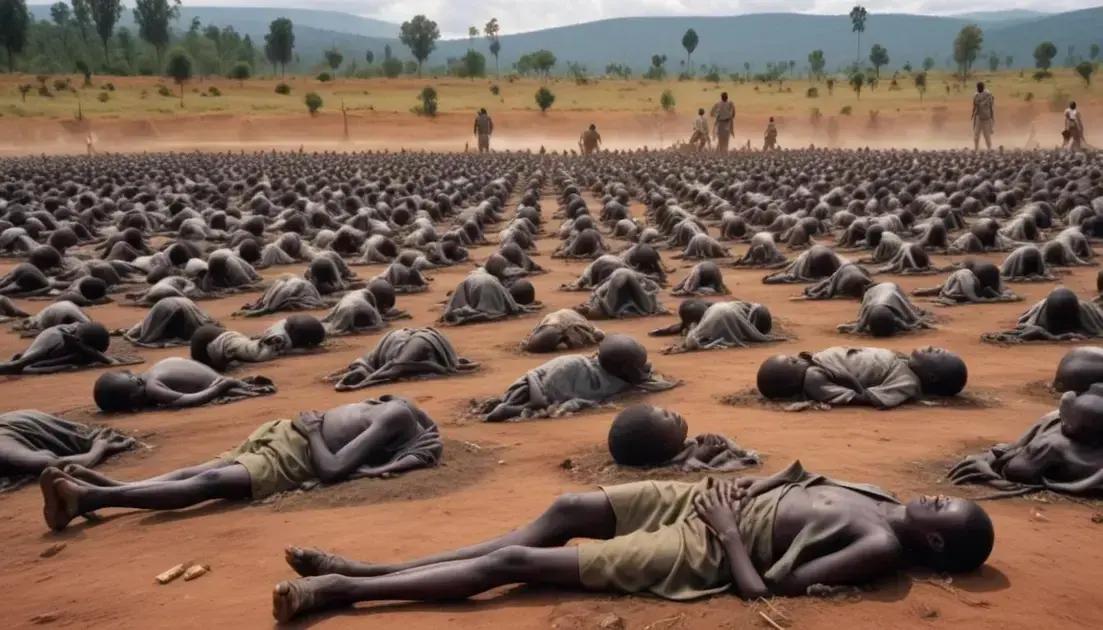
The consequences of the Rwanda genocide were devastating and far-reaching. Around 800,000 people lost their lives in just 100 days. This tragedy changed the nation forever. It also had a huge impact on the world.
Long-term Effects
The genocide left Rwanda in ruins. Many people were displaced and traumatized. Communities were torn apart, and trust was broken. The survivors faced immense challenges in rebuilding their lives.
Global Awareness
The genocide raised awareness of how the international community must respond to such atrocities. It highlighted the need for improved early warning systems. Countries learned that ignoring signs of genocide can have severe consequences.
Responsibility to Protect
After Rwanda, the concept of “Responsibility to Protect” (R2P) emerged. This principle states that countries must protect their citizens from genocide and mass atrocities. The world recognized the need for action, not just words.
Reconciliation Efforts
Rwanda has since made efforts for reconciliation. Programs promote healing among communities. The government encourages unity and peace. These lessons stress the importance of addressing past wrongs.
We must remember the Rwanda genocide to prevent future tragedies. Understanding these lessons helps us work toward a safer world.
The human cost of inaction
The human cost of inaction during the Rwanda genocide was catastrophic. Over 800,000 people lost their lives in just three months. Most victims were innocent civilians, including women and children.
The Impact on Families
Families were torn apart. Many lost loved ones in brutal ways. Survivors faced immense grief and trauma. The loss created a cycle of pain that continues today.
Displacement and Refugees
The genocide caused massive displacement. Millions fled their homes, seeking safety in neighboring countries. Refugees faced harsh conditions, living in overcrowded camps without basic needs.
Long-term Health Effects
The violence also led to long-term health issues. Many survivors sustained physical and mental health problems. Lack of access to medical care made these issues worse.
Implications for Society
This inaction led to deep divisions in Rwandan society. Trust was shattered between communities. Rebuilding relationships has taken years and remains a struggle.
Understanding the human cost of inaction highlights the urgent need for intervention. We must recognize the importance of acting to prevent future tragedies.
Conclusion
In conclusion, the Rwanda genocide serves as a stark reminder of the devastating effects of inaction. The loss of over 800,000 lives highlights the urgent need for the international community to respond effectively to signs of impending violence. Each victim represents a story cut short, a family broken, and a community shattered.
Understanding the historical context and the failures that allowed this tragedy to happen is crucial. We must learn from these mistakes to ensure that nothing like this occurs again. It is essential to promote awareness, engage communities, and support efforts for peace and reconciliation.
By recognizing the human cost of inaction, we can emphasize the importance of timely intervention in protecting human rights. Together, we can work toward a safer world, where every life is valued and every community can thrive without fear.