Satellites and GPS: From Military Tools to Daily Life
Satellite technology has transformed our lives, impacting everything from navigation and communication to emergency services and weather forecasting. As satellites evolve, they provide faster, more accurate services, but also raise important security and privacy concerns. Awareness of these issues and the implementation of regulations are essential to safeguard personal data while enjoying the benefits of this innovative technology.
Satellites are no longer just tools for military espionage; they have become integral to our daily lives, influencing everything from navigation to communication.
The Evolution of Satellites
The evolution of satellites is fascinating. It all began in the late 1950s when the first artificial satellite, Sputnik, was launched by the Soviet Union. This marked a new era in technology.
Early Satellites and Their Uses
Initially, satellites were mainly used for military purposes. They helped gather intelligence and track enemy movements. However, their uses quickly expanded to scientific research and weather monitoring.
Advancements in Technology
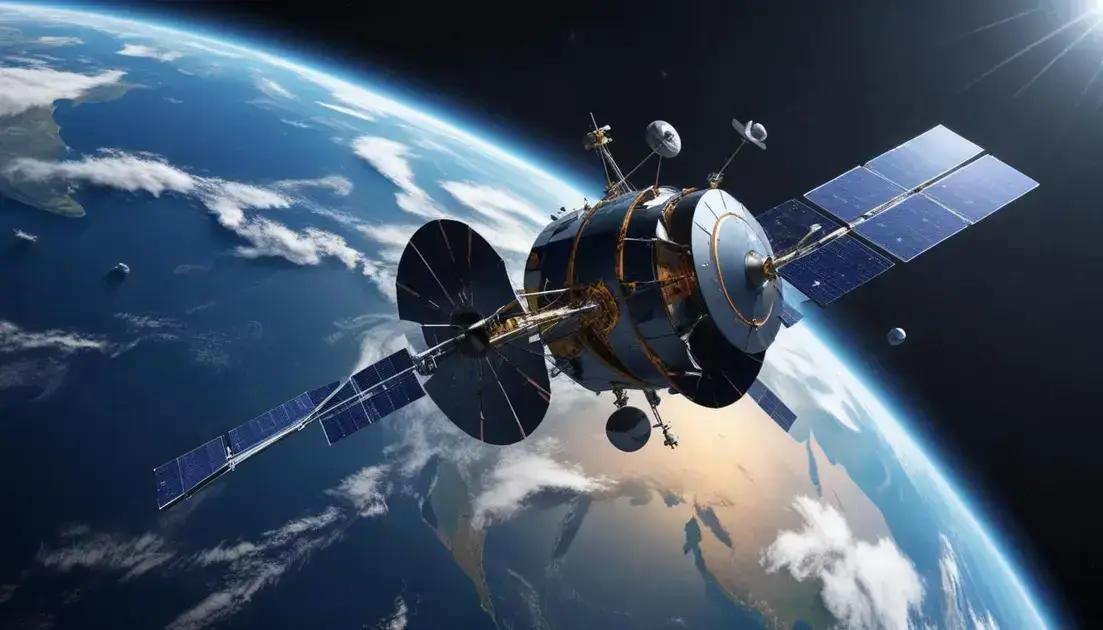
Over time, satellite technology improved. Advancements made them smaller, lighter, and much more powerful. Today, satellites are equipped with high-resolution cameras and advanced sensors.
Commercial Use of Satellites
As technology progressed, more companies began to use satellites. They now serve many purposes, including GPS navigation and communication. This change brought significant benefits to everyday life.
Satellites in Daily Life
Today, most people rely on satellites without even realizing it. Our smartphones use GPS satellites to pinpoint locations. Many other services also depend on satellite technology.
The evolution of satellites shows how they moved from military tools to integral parts of our daily lives. This transformation has shaped how we communicate and navigate the world.
GPS Technology and Its Applications
GPS technology has changed how we navigate the world. It stands for Global Positioning System. This system uses satellites to provide accurate location information anywhere on Earth.
How GPS Works
GPS works by receiving signals from multiple satellites. A GPS receiver calculates your exact position based on these signals. This process usually takes just a few seconds.
Everyday Uses of GPS
We use GPS daily without thinking. It helps us find directions on our phones and in cars. Delivery services also rely on it to track packages.
GPS in Emergency Situations
GPS technology is vital during emergencies. It helps responders locate people in need quickly. This can save lives during accidents and natural disasters.
Impact on Various Industries
Many industries use GPS technology. It aids farmers in monitoring crops, enhances logistics in shipping, and even assists in conducting scientific research. This technology boosts efficiency everywhere.
Future of GPS Technology
The future of GPS looks bright. Advancements in technology promise even better accuracy and new applications. Emerging tools will make GPS more reliable and helpful in our lives.
Impact on Daily Life
The impact of satellites on daily life is huge. They help us stay connected and find our way. Most people use satellite technology without even knowing it.
Navigation and Travel
GPS satellites make traveling much easier. They provide real-time directions and traffic updates. With just a phone or a car’s GPS, you can find the best route.
Communication
Satellites enable global communication. They help transmit phone calls, TV shows, and the internet. This means we can communicate with anyone, anywhere, anytime.
Weather Forecasting
Satellites are crucial for weather forecasting. They monitor storms and track climate patterns. This helps us prepare for severe weather and stay safe.
Emergency Services
During emergencies, satellites play a vital role. They help locate people in distress. This speed can save lives during disasters or accidents.
Entertainment and Media
Many entertainment services rely on satellite technology. Satellite TV provides us with countless channels and shows. We can enjoy movies and series from our homes thanks to this technology.
Future of Satellite Technology
The future of satellite technology looks exciting and full of possibilities. With rapid advancements, satellites will become even more important in our lives.
Smaller and More Efficient
One major trend is the development of smaller satellites. These mini-satellites, often called CubeSats, are cheaper to launch. They can work together to provide valuable data.
Improved Communication
Future satellites will improve global communication. New technology will allow for faster internet access, even in remote areas. This can connect more people around the world.
Earth Monitoring
Satellites will play a crucial role in monitoring climate change. They can gather data on pollution and natural disasters. This information helps scientists make better predictions and plan responses.
Enhanced Navigation
GPS technology will continue to evolve. Upcoming satellites will offer even more accurate positioning services. This will benefit industries like transportation and logistics.
Space Exploration
Satellites will also support space exploration efforts. They can help in mapping other planets and gathering information for future missions. This is key to understanding our universe.
Security and Privacy Concerns
When using satellite technology, security and privacy are essential issues. As satellites collect more data, the risk of misuse increases.
Data Collection and Use
Satellites gather vast amounts of information, including location and environmental data. This data can be valuable, but it must be protected.
Potential Risks
One major concern is the possibility of unauthorized access to satellite data. Hackers may target satellite systems to steal information or disrupt services.
Privacy Issues
Individuals worry about their privacy with satellite surveillance. High-resolution images can capture personal activities without consent. This raises ethical questions about monitoring.
Regulations and Protections
Governments and organizations are working on regulations to protect satellite data. They aim to ensure that data collection respects individual privacy rights.
Best Practices for Users
Users can take steps to protect themselves. Using secure communication methods and staying informed about privacy policies can help reduce risks.
Conclusion
In conclusion, the evolution of satellite technology has greatly impacted our daily lives. From navigation to communication, satellites play a key role in how we interact with the world. As technology advances, the benefits will keep growing, making our lives easier and more connected.
However, we must also be aware of the security and privacy concerns that come with this technology. Protecting our data and respecting individual privacy is crucial. By staying informed and using best practices, we can enjoy the benefits of satellites while minimizing risks. In the end, finding a balance between innovation and privacy will be essential for the future.