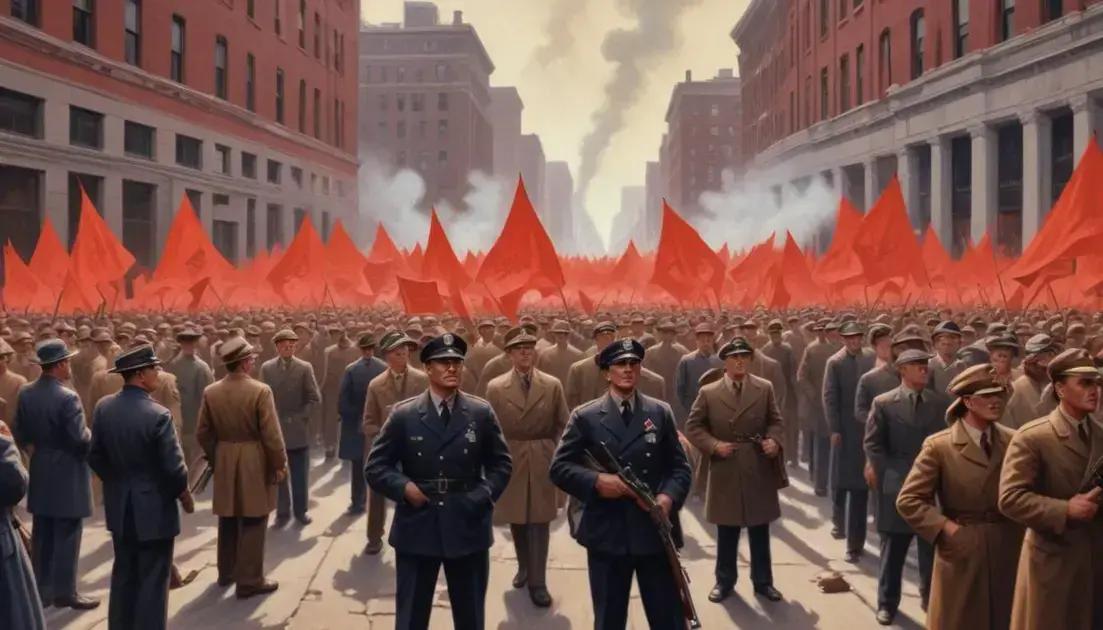
Sci-fi in America’s Cold War imagination
Science fiction significantly impacts American culture by shaping societal values and reflecting contemporary fears and hopes. It tackles social issues such as race and power, promotes innovation inspired by imaginative technologies, and challenges individuals to think critically about freedom and identity. Through engaging narratives, sci-fi invites discussions about our future, making it a vital part of American identity.
In the realm of storytelling, Cold War science fiction emerged as a captivating reflection of societal fears and aspirations. Through imaginative narratives, it delved into the complexities of the human experience during a time of political turmoil. Curious about how these stories shaped perceptions? Let’s explore!
The Role of Science Fiction in Cold War Society
Science fiction played a big part in shaping thoughts during the Cold War. It reflected the fears and hopes people had about the future. Many stories set in space showed how humans might face big challenges. They often hinted at the dangers of war and the unknown.
Fears and Aspirations
A lot of science fiction from this time dealt with the idea of aliens and the unknown. These stories made people think about what might happen if we met beings from other worlds. Would they be friendly or hostile? This reflected our fears of the Cold War and competition with other nations.
Films and Literature
Films like “The Day the Earth Stood Still” and books such as “Fahrenheit 451” opened discussions about control and freedom. They asked tough questions about society. Through these stories, people began to think more deeply about human rights and the importance of being free.
Imagination and Reality
Science fiction helped many escape the reality of their lives. It offered hope that technology could solve problems. Yet, it also warned about the dangers of unchecked power. Many stories inspired dreams of a better world through space exploration and unity.
Cultural Impact
As science fiction grew, it influenced culture in many ways. It inspired real-life astronauts and scientists. Overall, these stories not only entertained but also prompted us to think critically about our world and future. They sparked curiosity and creativity in many generations.
Exploring Alien Worlds: A Reflection of Inner Fears
Exploring alien worlds in science fiction shows more than just imagination. It often reflects our inner fears about the unknown. Writers used these distant planets to mirror the anxieties of their time. They tapped into what people worried about in the real world.
Fears of the Unknown
When characters meet aliens, it often symbolizes our fear of those different from us. These stories make us consider how we react to what we don’t understand. Are we curious, or do we feel threatened? This fear can be about other people or even new ideas.
Societal Issues
Many shows used alien worlds to highlight social issues. They talked about war, power, and control without directly facing those topics. For example, stories like “The Twilight Zone” used strange lands to explore human behavior. They asked tough questions about morality and ethics.
Hope and Unity
On the other hand, some tales hinted at hope. When humans and aliens work together, it shows a desire for unity. These messages remind us that understanding each other can lead to peace. Overcoming fear can foster friendship and cooperation among different beings.
Imagination as a Tool
Science fiction encourages us to dream and explore. By visiting alien worlds, we can see reflections of ourselves. It pushes us to think about our values and what it means to be human. These imaginative journeys are not just about seeing new places but about understanding ourselves better.
Cinematic Representations of Space Exploration
Cinematic representations of space exploration have always captured our imagination. These films take us beyond Earth and into the vast unknown. They show us what it might be like to travel among the stars.
Visions of the Future
Many movies use space travel to highlight human dreams and fears. Films like “2001: A Space Odyssey” offered a glimpse into our potential future. They imagined advanced technologies and raised questions about artificial intelligence. This sparks our curiosity about what could actually happen.
Realism and Science
Some filmmakers focus on realism in their portrayals. Movies like “The Martian” showed how astronauts might solve problems on Mars. It dealt with survival and human courage. These stories inspire and educate us about space science.
Symbolism and Themes
Space films often symbolically represent human struggles. They can show isolation, adventure, and discovery. For example, “Interstellar” explores love and sacrifice across galaxies. Such themes resonate with viewers on a personal level.
The Impact of Visuals
Stunning visuals play a huge role in these films. Amazing graphics make space feel real and immersive. They create a sense of wonder and excitement. Viewers feel as if they are part of the adventure.
Overall, cinematic representations of space exploration let us dream. They fuel our desire to learn more about the universe and our place in it. Through these films, we explore not just space, but our own humanity.
Literary Contributions to Cold War Imaginations
Literary contributions during the Cold War shaped how we imagined the future. Writers used their stories to explore the tensions of the era. They expressed fears and hopes through fiction, engaging readers in thoughtful discussions.
Key Authors and Works
Many famous authors wrote powerful stories during this time. George Orwell’s “1984” depicted a world under constant surveillance. It challenged readers to think about freedom and control. Similarly, Ray Bradbury’s “Fahrenheit 451” warned against censorship and the loss of critical thought.
The Role of Science Fiction
Science fiction became a popular genre during the Cold War. It allowed authors to tackle complex issues without holding back. Stories about aliens and dystopian societies captured imaginations while commenting on real-life politics. This genre helped people think critically about their world.
Symbolism and Themes
Many literary works used symbolism to convey deeper messages. For example, the alien invaders often represented foreign threats. This reflected the fear of communism and the idea of the ‘other.’ Themes of paranoia and distrust were common, mirroring society’s anxieties.
Impact on Culture
These literary contributions influenced culture beyond books. They inspired films, art, and music, making waves across various platforms. The ideas presented in these works helped shape public perception during the Cold War.
Today, we still see the impact of these writers. Their works remind us of the importance of critical thinking in times of fear. They encourage us to stay aware of our freedoms and values.
Cultural Impact of Sci-fi on American Identity
Sci-fi has had a huge cultural impact on American identity. It shapes how we view ourselves and our future. Through stories of aliens and advanced technology, it reflects our dreams and fears.
Influence on Society
Science fiction often addresses important social issues. It makes us think about race, gender, and power. For example, shows like “Star Trek” broke barriers by featuring diverse characters. This challenged norms and opened up conversations about equality.
Exploring American Values
Many sci-fi narratives explore key American values like freedom and individuality. These themes resonate deeply with the public. In films like “Blade Runner,” we question what it means to be human. Sci-fi invites us to look at our society from new angles.
Inspiring Innovation
Sci-fi also inspires real-world innovation. Many scientists and engineers grew up watching these shows. They dreamed of creating the technologies they saw. Ideas from sci-fi become part of our reality, like smartphones and space travel.
Reflection of Fears
Sci-fi can reflect our fears about technology and the future. It warns us about the dangers of totalitarianism and unchecked power. Films like “The Matrix” make us question our reality. These narratives encourage viewers to think critically about the path we’re on.
The cultural impact of sci-fi on American identity is ongoing. These stories continue to resonate and shape how we envision our future together.
Conclusion
In conclusion, science fiction plays a vital role in shaping American identity and culture. It reflects our dreams, fears, and values, helping us explore important social issues. From inspiring innovation to challenging norms, sci-fi encourages us to think critically about our future.
As we continue to engage with these stories, they spark imagination and conversation. The impact of sci-fi on society will endure, reminding us of the importance of creativity and understanding. Therefore, embracing these narratives can help us dream better and build a brighter future together.