Science fiction and the Cold War imagination
During the Cold War, speculative fiction explored themes of fear, hope, and control, reflecting societal anxieties of the era. Authors used imaginative storytelling to address real fears about nuclear war and oppressive regimes, highlighting human resilience and the power of community. These narratives encourage critical thinking about authority and freedom, inspiring readers to envision a hopeful future amidst uncertainty.
In the realm of storytelling, Cold War narratives in science fiction reveal the depths of human fear and hope. Ever wondered how these tales shape our understanding of control?
Introduction to Cold War themes in science fiction
Cold War themes in science fiction reflect deep social anxieties and dreams. Writers used this period to showcase human fears, such as nuclear war and totalitarian control. These concerns shaped stories that captured readers’ imaginations.
The Role of Fear
Many stories focused on the fear of annihilation. They painted chilling images of dystopian futures. Characters faced unimaginable threats, showing us what might happen if humanity lost control.
Exploring Hope
While fear was common, hope often emerged. Heroes in these tales fought against oppressive forces. They often represented the resilience of the human spirit, shining a light on what could be possible.
Controlling Narratives
Control was a key theme. Writers examined how power could twist lives. They reflected this struggle in plots where characters battled systems designed to suppress them. It raised questions about freedom and choice.
These stories also encouraged readers to think critically about their world. By engaging with these themes, fans of the genre examined the consequences of their actions.
Exploring fear through dystopian futures
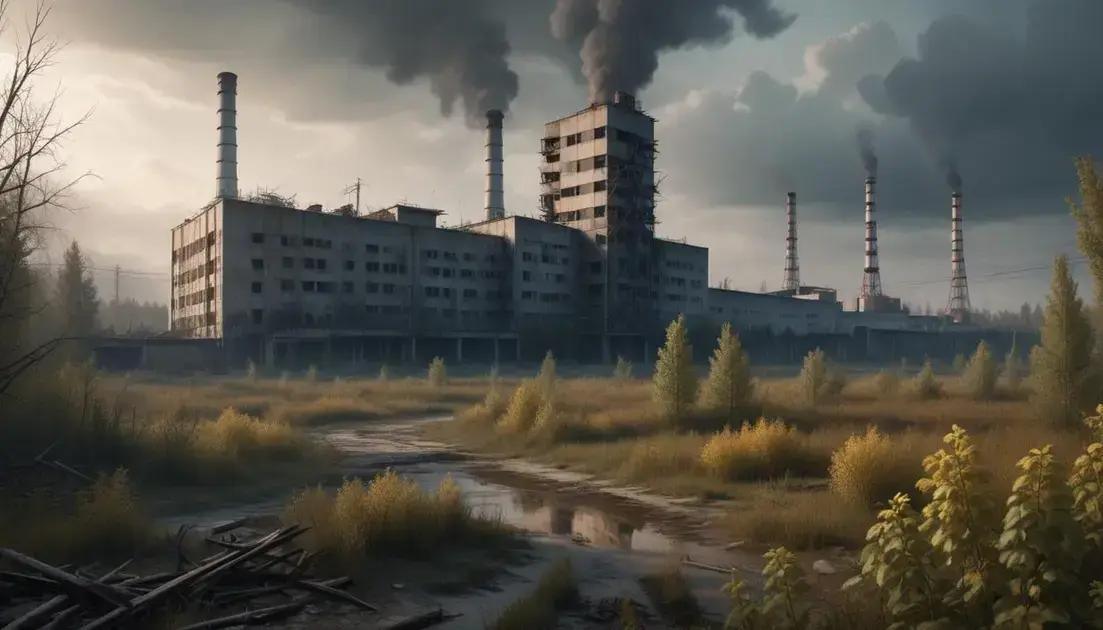
In dystopian futures, fear becomes a powerful theme. Authors use vivid scenarios to show what could happen if society fails. These stories highlight the dangers of unchecked power and destructive technologies.
The Chilling Atmosphere
Dystopian tales often present a grim world. Settings are dark and oppressive, reflecting the fear present in society. These environments keep readers on edge and engaged with the narrative.
Characters Driven by Fear
Characters in these stories usually face tough choices. They might fight against oppressive regimes or survive in dangerous environments. Their struggles force readers to think about bravery and vulnerability.
Social Commentary
These stories often serve as social commentary. They explore themes like censorship and loss of freedom. By presenting these fears, authors encourage us to reflect on real-world issues.
By delving into dystopian worlds, we confront our fears. This exploration helps us understand potential consequences and what we value in life.
Imagining hope and human resilience
In many stories, hope shines bright amid despair. Writers explore how people can rise above tough circumstances. These narratives celebrate human resilience in the face of overwhelming odds.
Characters Who Inspire
Strong characters often drive these stories. They face hardships but never give up. Through perseverance, they show others that change is possible. Their journeys inspire readers to find strength in their own lives.
The Power of Community
Community plays a big role in these tales. Friends and family support each other during tough times. Together, they overcome fears and challenges. This sense of togetherness highlights our need for connection.
Messages of Optimism
Stories about hope often contain powerful messages. They remind us that even small actions can create a big difference. Writers encourage readers to believe in themselves, fostering a sense of optimism.
These hopeful narratives reflect our own desires for a better future. By imagining resilience, we embrace the potential within us. This perspective helps us navigate our lives, inspiring us to keep going.
The role of control in speculative fiction
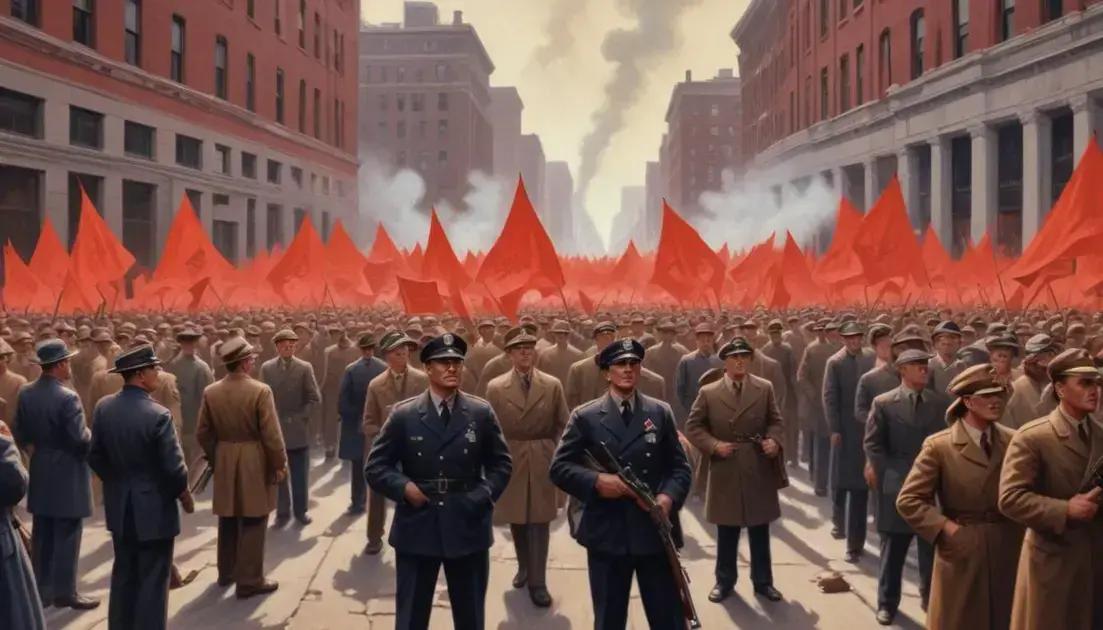
Control is a major theme in speculative fiction. It explores how power affects people and societies. These stories often show a struggle between individuals and systems designed to control them.
Oppressive Governments
Many speculative fiction stories feature oppressive governments. These regimes use strict rules to maintain power. Characters often fight against these systems, highlighting the importance of freedom.
Technology’s Influence
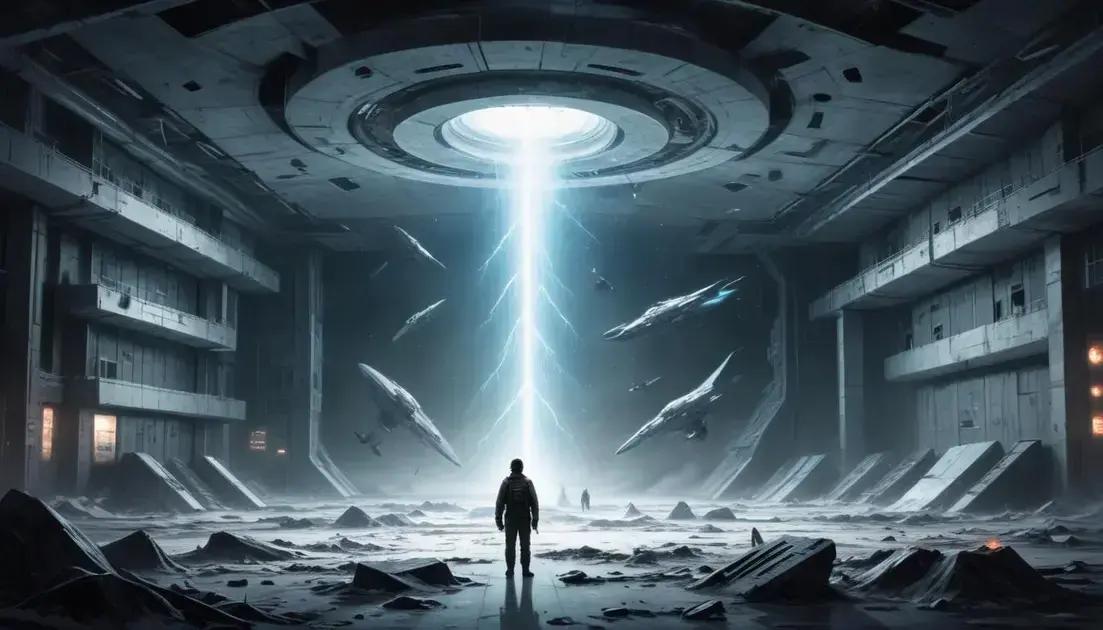
Technology plays a key role in control as well. In some tales, advanced technologies surveil or manipulate individuals. This raises questions about privacy and personal rights.
Resistance and Rebellion
Characters resist these controlling forces. They inspire others to stand up for their rights. Their journeys show the strength of human spirit in the face of overwhelming control.
By examining control in stories, we learn about our own lives. It prompts us to think critically about authority and our choices. The struggles portrayed in these narratives reflect our quest for autonomy.
Conclusion: The impact of imagination during the Cold War
Imagination played a vital role during the Cold War. Writers used creative ideas to express real fears and hopes. Through fiction, they explored the tension between nations and the complexity of human emotions.
Creative Responses to Fear
Authors turned their fears into vivid stories. They used imagination to depict possible futures. This allowed readers to confront their concerns about war and control.
Encouraging Hope
Imaginative tales also inspired hope. Characters often overcame obstacles in remarkable ways. Their journeys motivated others to believe in a better future.
Reflecting Societal Issues
These stories reflected societal issues of the time. They prompted discussions about freedom, power, and the human condition. Engaging with these narratives helped people grapple with their own experiences.
Ultimately, imagination became a powerful tool. It helped people cope with uncertainty and find meaning amid chaos. These creative expressions continue to resonate today.
Conclusion
In conclusion, exploring themes of fear, hope, and control in speculative fiction during the Cold War reveals much about humanity. Authors used their imaginations to address real concerns and aspirations. Through powerful storytelling, they showed how individuals can face overwhelming odds and inspire change.
These stories remind us of the strength within us. They encourage dialogue about freedom and the importance of community support. Imagination not only helps us understand the past but also shapes our future. By reflecting on these narratives, we can find hope and resilience in our own lives.
Tags: