Science Fiction: The Mirror of Cold War Fears
Science fiction serves a vital role in modern storytelling by sparking imagination and addressing societal issues. It reflects contemporary fears and aspirations, encouraging critical thinking about technology and its impact on humanity. Works from this genre inspire change and promote understanding across generations, making them essential for exploring our past and envisioning a better future.
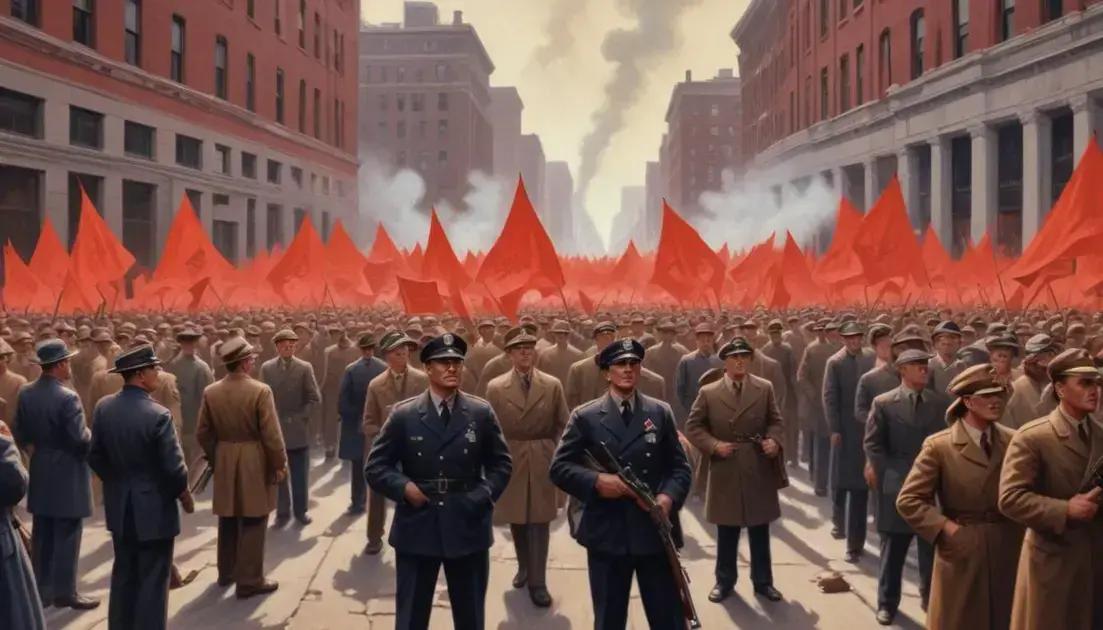
Science Fiction has long been a mirror reflecting the collective fears of society, particularly during the tense days of the Cold War. From stories of destruction to warnings of unchecked technological advancement, these narratives pushed us to question what was possible—and what it might cost us. Curious to see how these themes unfold? Let’s dive in!
The influence of technology on society
Technology shapes our world in many ways. It changed how we communicate, shop, and learn. Imagine a time without smartphones or the internet. Life was different.
Communication Revolution
Today, talking to someone miles away takes just a few taps on a screen. Social media connects us to friends and family. It’s easier than ever to share our thoughts and experiences.
Shopping and Convenience
With online shopping, we can buy anything with a click. This convenience saves us time and effort. But it also changes local businesses. Some struggle to keep up with this new way of shopping.
Education Transformation
Technology opened new doors for learning. Online classes allow people to study from home. Students can access resources and courses that were once hard to find. This can help more people get an education.
Health and Well-being
In health, technology brings new tools for doctors and patients. Telemedicine lets us see a doctor without leaving home. Wearable devices track our health and fitness. These tools help us make better health choices.
Future of Technology
As technology continues to grow, it will influence society more. New inventions will change the way we live. Staying aware of these changes can help us adapt and thrive.
Reflections of nuclear fears
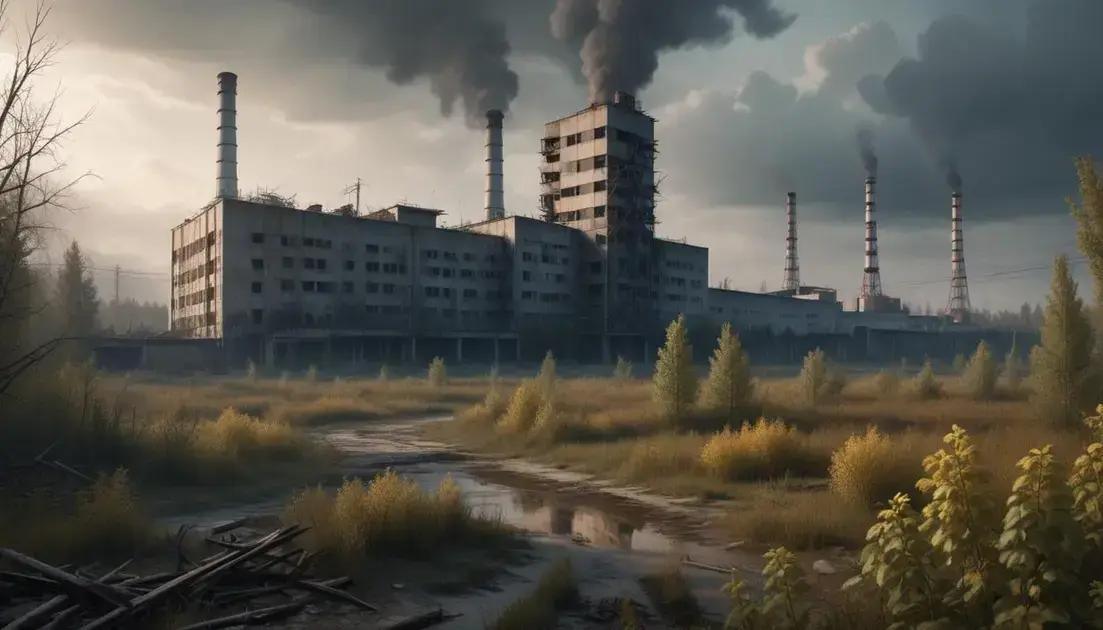
Nuclear fears have shaped our world in many ways. The threat of nuclear war loomed large during the Cold War. Movies and books reflected these worries in powerful stories.
Cultural Impact of Nuclear Tension
Films often showed the terrifying possibilities of nuclear warfare. They presented the idea of cities being destroyed and lives lost. This pushed society to think deeply about the consequences of conflict.
Science Fiction as a Warning
Many science fiction stories used nuclear fear as a backdrop. They warned of advanced technology getting out of control. Books like “Fahrenheit 451” and films such as “Dr. Strangelove” explored these dark themes.
The Role of Media
Media played a big part in shaping perceptions of nuclear threats. News coverage and films created a sense of urgency. They helped people understand the risks and the need for peace.
Lessons Learned
These reflections taught us important lessons about war and peace. They reminded us that technology can bring both progress and danger. Understanding these themes can help us work towards a safer future.
Key films and books from the era
Many films and books capture the essence of the Cold War era. They reflect society’s fears and hopes about technology and conflict. These stories helped shape public opinion.
Classic Films
Movies like “Dr. Strangelove” provide a darkly comic look at nuclear war. It shows how ridiculous the situation was, yet how serious the threat became. Another key film, “The Day After”, depicted the aftermath of a nuclear attack. This film shocked many and raised awareness of the risks.
Influential Books
Books also played an important role. “On the Beach” by Nevil Shute tells a haunting tale of a post-nuclear world. It shows the fears of a society facing annihilation. George Orwell’s “1984” explores totalitarianism and surveillance, reflecting the anxieties of the time.
The Cultural Reflection
These films and books sparked conversations about peace and security. They encouraged people to question authority and the use of technology. Many viewers and readers found hope in these stories, pushing for a better future.
Why They Matter
Understanding these key works helps us see how art mirrors society. They remind us to think about the impact of our choices today. The themes remain relevant as we deal with modern issues surrounding technology and conflict.
Cultural impact and legacy
The cultural impact of the Cold War era is seen in many ways. Films, books, and art reflected the fears of the time. These works made people think about war, peace, and technology.
Influence on Art and Media
Art during this time often addressed serious themes. Artists expressed anxiety through their work. Movies and literature explored the concept of nuclear war and its consequences, encouraging viewers and readers to reflect on their realities.
Shaping Public Perception
Through stories and films, public perception changed. The fear of nuclear conflict led to movements advocating for peace. Many people pushed for disarmament and a better understanding between nations.
Legacy in Today’s Society
The Cold War’s legacy continues to influence us. Many modern films still draw inspiration from this era. The themes of conflict and technology remain important today. They remind us of the past and help us address current challenges.
Ongoing Discussions
Today, discussions about technology and its role in society persist. Understanding our history helps us make better choices now. It’s vital to learn from the past to create a safer future.
The role of science fiction in modern narratives
Science fiction plays a big role in modern narratives today. It sparks our imagination and helps us explore new ideas. Many stories we see in movies and books today are influenced by classic sci-fi themes.
Exploring Possibilities
Science fiction allows us to imagine worlds that don’t exist yet. Writers can create new technologies, aliens, and different societies. This freedom inspires innovation in real life.
Reflecting Society
Sci-fi often reflects our current issues. It tackles themes like climate change, artificial intelligence, and social justice. These stories encourage readers to think critically about the world around them.
Inspiring Change
Many filmmakers and authors use sci-fi to propose solutions. For instance, shows like “Star Trek” promote unity and cooperation. They inspire viewers to believe in a better future where we work together.
Connecting Generations
Science fiction connects different generations. Parents share classic sci-fi with their kids, creating shared experiences. This helps pass down important messages and values.
Conclusion
In conclusion, science fiction has a powerful role in shaping modern narratives. It sparks our imagination and encourages us to think about important issues. By exploring new technologies and social themes, sci-fi helps us reflect on our world and the future we want to create.
These stories connect generations and inspire positive change. They remind us that while we face challenges, there’s always hope for a better tomorrow. When we engage with science fiction, we open our minds to possibilities and shape the way we view our reality. So, let’s continue to explore these narratives and learn from them!
Tags: