Science Under Tension: Medicine and Technology in the Cold War
The Cold War era brought significant advancements in medicine and technology, greatly impacting modern healthcare. Innovations like advanced imaging, emergency medical techniques, and effective vaccines originated during this time. These developments not only enhanced military health responses but also paved the way for life-saving treatments and public health improvements. The legacy of this era continues to influence today’s medical practices and research initiatives, fostering ongoing advancements to meet contemporary health challenges.
The Cold War was not just about politics; it sparked incredible scientific advancements that changed lives forever. Ready to dive into the intriguing world of medicine and technology?
The impact of military funding on medical research
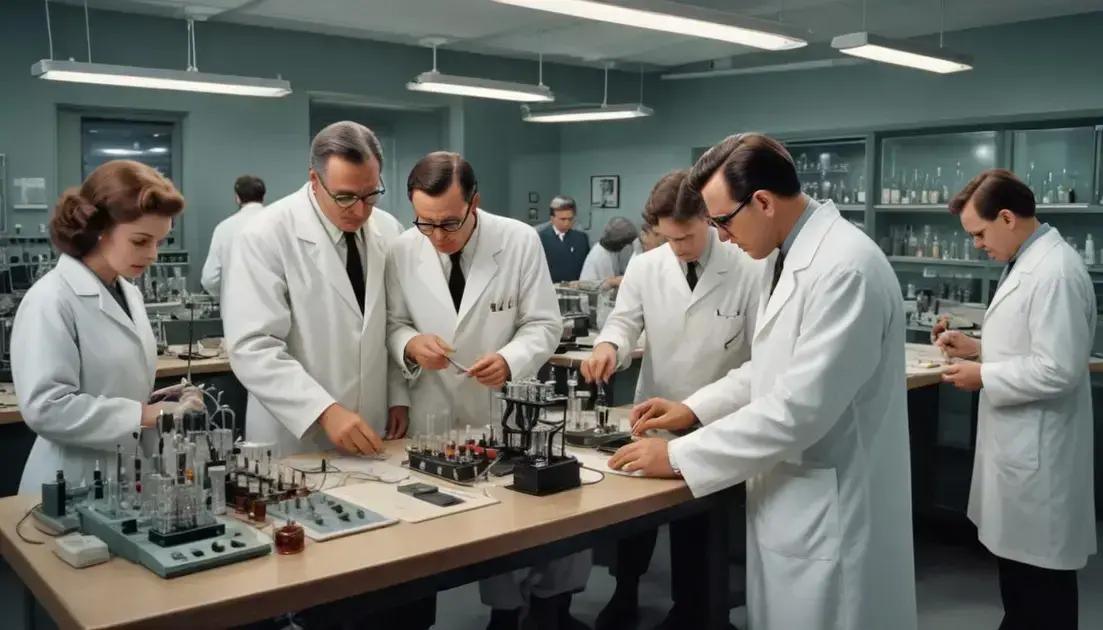
The impact of military funding on medical research has been significant. During the Cold War, a lot of resources went into science aimed at improving health. This funding led to discoveries that changed medicine forever. Scientists got the backing they needed to develop new treatments.
Advancements in Medical Technology
With military funding, there were major jumps in technology. For instance, the development of antibiotics and vaccines came from this emphasis on medical research. These innovations saved lives and improved public health.
Collaborations Between Scientists
Military projects often encouraged collaboration among scientists. Different experts worked together to solve complex health problems. This teamwork resulted in creative solutions that benefited everyone, not just the military.
Long-term Benefits
The long-term benefits of military funding are clear. Many modern medical technologies trace their roots back to research during this period. By investing in health research, we now have treatments that fight diseases and improve quality of life.
Technological advancements and their civilian applications
Technological advancements during the Cold War had a big impact on civilian life. Many innovations were developed for military purposes but found ways to help everyday people. This includes everything from medical devices to communication tools.
Medical Devices that Save Lives
One key area was medicine. Technologies like MRI machines and telemedicine were born from military research. These tools now help doctors diagnose and treat patients better.
The Rise of Consumer Electronics
Beyond medicine, military tech also led to consumer electronics. For example, the development of GPS was originally for military navigation. Today, it helps us with directions and finding our way around.
Advancements in Communication
Communication technology advanced too. The internet, which has roots in military projects, connects people worldwide. It changed how we share information and work together.
Environmental Monitoring Technologies
Military tech also helped with environmental monitoring. New tools were developed to track weather and study climate change. This helps scientists understand natural disasters and protect lives.
Stories of lives saved through Cold War innovations
Many stories highlight how Cold War innovations saved lives. These advancements often came from military research that focused on health and safety. For instance, new drugs and medical technologies emerged from this period.
Breakthroughs in Emergency Medicine
One major innovation was in emergency medicine. Techniques like advanced life support were developed to save soldiers in the field. Today, these methods are used in hospitals everywhere.
Vaccines and Disease Prevention
During the Cold War, scientists also worked on vaccines. These vaccines helped control outbreaks of diseases like polio. Millions of people benefited from these medical breakthroughs.
Improved Surgical Techniques
In surgery, new methods were created that reduced risks. Minimally invasive procedures became popular, allowing quicker recoveries. Patients experienced less pain and shorter hospital stays.
Real-Life Testimonials
There are many real-life stories of people saved by these innovations. Families tell how quick medical responses during crises changed their lives. Without these advancements, many would not be here today.
The legacy of Cold War discoveries on modern medicine
The legacy of Cold War discoveries greatly impacts modern medicine. Many techniques and treatments we use today trace back to that time. Research during the Cold War focused on solving urgent health problems.
Innovations in Medical Research
One big legacy is in medical research methods. Scientists developed new approaches to study diseases. These methods paved the way for breakthroughs in treatments and better understanding of health conditions.
Advancements in Technology
Technological advancements from the Cold War also changed medicine. For instance, imaging technologies like MRI scans are vital today. They allow doctors to see inside the body without surgery.
Impact on Public Health
Cold War research also led to improvements in public health. Vaccines developed during this period helped control diseases worldwide. This has saved countless lives and reduced suffering.
Continued Innovations
The spirit of innovation from the Cold War lives on. Modern researchers continue to build on these discoveries. They aim to find new solutions for today’s health challenges.
Conclusion
In conclusion, the innovations and research from the Cold War have left a lasting impact on modern medicine. Breakthroughs in medical technology, disease prevention, and emergency care have saved countless lives. Today, we benefit from advanced imaging techniques and effective vaccines that originated from that era.
As we move forward, it’s vital to remember these legacies. They remind us of the importance of research and collaboration in healthcare. Together, we can continue to build on these foundations to tackle new health challenges and improve the quality of life for everyone.
Tags: