Seneca Falls: the birth of the women’s rights movement
The Seneca Falls Convention was a landmark event in 1848, marking the start of the women’s rights movement in the United States. It drew attention to key issues like equality and voting rights, culminating in the creation of the Declaration of Sentiments. Key figures like Elizabeth Cady Stanton and Lucretia Mott played vital roles in this historic gathering. The impact of this convention continues today, inspiring ongoing activism for gender equality and informing modern movements that advocate for women’s rights.
Women’s Rights took a monumental step forward during the Seneca Falls Convention. This historic event sparked a movement that changed the course of history. Want to know how it all began? Dive in!
Overview of the Seneca Falls Convention
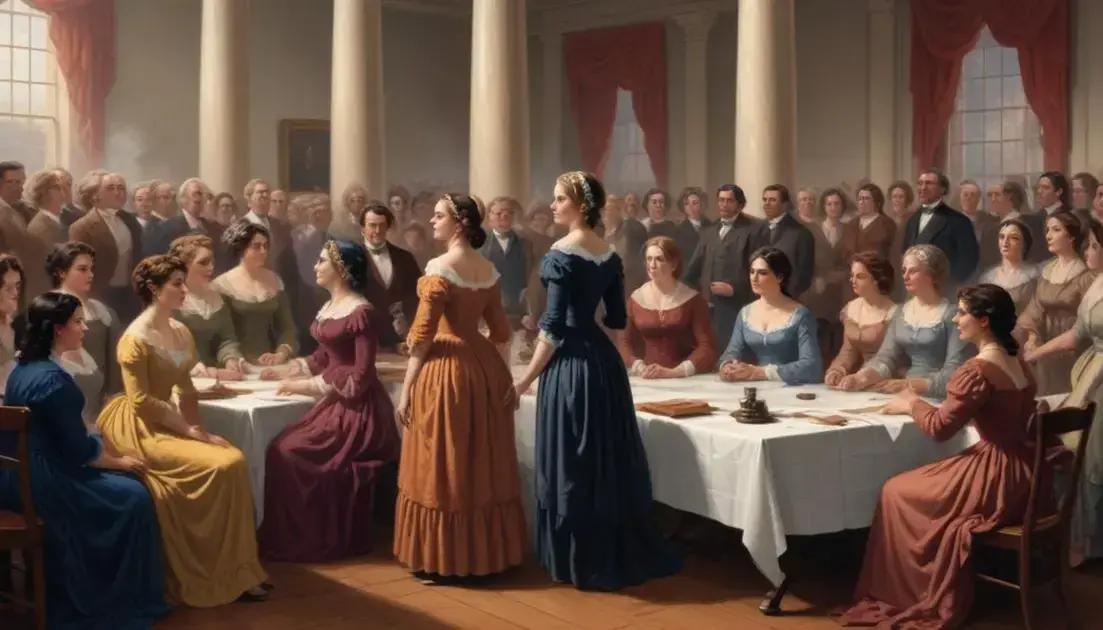
The Seneca Falls Convention was a groundbreaking event in 1848. It marked the start of the women’s rights movement in the United States. Over 300 people attended this historic gathering, mostly women. They gathered in Seneca Falls, New York, to discuss important issues.
What Happened at the Convention?
During the convention, delegates spoke about the need for equality. They wanted women to have equal rights, especially the right to vote. A key moment was the presentation of the Declaration of Sentiments. This document outlined the grievances against the treatment of women. It was inspired by the Declaration of Independence.
Key Figures
Some of the main figures were Elizabeth Cady Stanton and Lucretia Mott. They were strong advocates for women’s rights. Stanton wrote the Declaration of Sentiments, and Mott helped organize the event. Their leadership was crucial in driving the movement forward.
The Impact
The Seneca Falls Convention had a big impact. It sparked conversations across the nation. More conventions followed in the coming years. This event laid the foundation for future activism. The call for women’s rights could no longer be ignored.
Key Figures Involved
The Seneca Falls Convention had many key figures who played important roles. Two of the most prominent were Elizabeth Cady Stanton and Lucretia Mott. They were strong advocates for women’s rights and social justice.
Elizabeth Cady Stanton
Stanton was the main organizer of the convention. She was a talented speaker and a passionate writer. She created the Declaration of Sentiments to express the needs of women. This document outlined the injustices women faced and called for equal rights.
Lucretia Mott
Mott was another leading figure. She was a well-known abolitionist and activist. Mott worked closely with Stanton to plan the event. Her experience in social movements helped bring attention to women’s issues.
Other Notable Attendees
Other attendees included Frederick Douglass, a famous abolitionist who supported women’s rights. His presence gave weight to the cause. Many women, including Sojourner Truth, also attended and spoke at the convention. Their voices added depth to the conversations.
These key figures laid the groundwork for the women’s rights movement. Their courage and determination inspired many others to join the fight for equality.
The Declaration of Sentiments
The Declaration of Sentiments was a key document created at the Seneca Falls Convention. It was drafted mainly by Elizabeth Cady Stanton. This declaration listed the many grievances women faced in society.
What It Included
The Declaration began by stating that all men and women are created equal. It also pointed out how women lacked basic rights. Women were denied the right to vote, own property, and access education.
A Call for Equality
The document called for equal rights for women in all areas. It demanded voting rights, fair wages, and access to jobs. It also highlighted the need for women to have a voice in government decisions.
Inspired by Another Document
Stanton drew inspiration from the Declaration of Independence. She used its format and some phrases to make a strong point. The Declaration of Sentiments became a rallying cry for future generations.
Impact on the Movement
This declaration marked a turning point for women’s rights. It inspired many to join the cause. The ideas within it laid the groundwork for future activism. Over time, it helped change laws and attitudes towards women.
Impact on Women’s Rights Movement
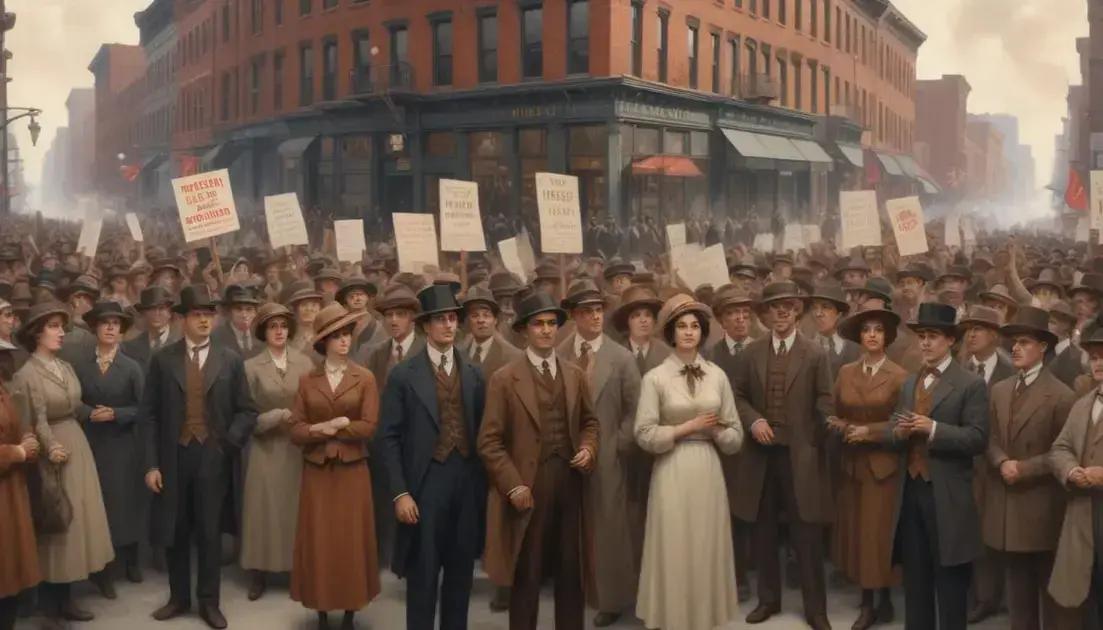
The Seneca Falls Convention had a huge impact on the women’s rights movement. It was one of the first times women publicly demanded equality. This event changed how people viewed women’s roles in society.
Widespread Attention
After the convention, news about it spread quickly. Newspapers covered the event, exposing many more people to the idea of women’s rights. Many activists were inspired to hold their own meetings.
Inspiration for Future Activism
The convention and its Declaration of Sentiments inspired future generations. It showed that organized movements could create change. Women would continue to fight for the rights that were outlined in the declaration.
Building a Network
The event helped form a network of women’s rights activists. These women communicated and collaborated to push for legal reforms. Laws around voting, property rights, and education slowly began to change due to these efforts.
Long-Term Effects
The impact of the Seneca Falls Convention continues today. It laid the groundwork for future milestones, like the right to vote. The convention is often celebrated as a cornerstone of the women’s rights movement.
Legacy and Relevance Today
The legacy of the Seneca Falls Convention is strong today. It sparked a movement that changed history. Many of the ideas discussed back then are still relevant.
Continuing the Fight for Equality
Today, women continue to fight for rights and equality. The goals from the convention are still being pursued. Issues like equal pay and reproductive rights are still important.
Annual Celebrations
Every year, people celebrate the convention’s anniversary. These events honor the activists who began the movement. They remind us of how far we’ve come and how much work remains.
Educational Impact
Schools include the Seneca Falls Convention in history lessons. This helps new generations learn about women’s rights. Understanding this history empowers youth to advocate for equality.
Modern Movements
Many modern movements draw inspiration from Seneca Falls. Groups fight for various causes, including racial equality and LGBTQ+ rights. The spirit of activism remains strong and connected.
Conclusion
In conclusion, the Seneca Falls Convention played a pivotal role in the fight for women’s rights. It was a starting point for equality and social justice. The ideas formed during this event still resonate today.
Women continue to build on the foundation laid by early activists. Modern movements for equality reflect the spirit of the convention. Recognizing this history helps us understand the ongoing struggle for rights.
As we celebrate this legacy, it’s essential to stay engaged and advocate for change. By doing so, we honor the efforts of those who came before us and work toward a fairer future for everyone.