Sherman’s March: total war in the American South
Sherman’s March was a pivotal campaign during the American Civil War, characterized by total war tactics aimed at crippling the Confederate forces. General Sherman focused on destroying resources, infrastructure, and civilian morale to accelerate the war’s end. The aftermath resulted in significant destruction across the South, enhancing Union morale while leaving lasting scars on Southern communities. This campaign not only shifted military strategies but also serves as a key study in the harsh realities of war, influencing future conflicts.
In Sherman’s March, a monumental campaign of the American Civil War, General Sherman employed total war tactics that changed history. But what really happened during this infamous march?
The Goals of Sherman’s March
The goals of Sherman’s March were clear and strategic. General William Tecumseh Sherman aimed to weaken the Confederate war effort significantly. His tactics involved destroying supplies, railroads, and infrastructure that supported the Southern army.
Disrupting Supply Lines
One main goal was to disrupt supply lines. Sherman knew that if the Confederates couldn’t get food, weapons, and other supplies, they would struggle to fight. By targeting warehouses and railroads, he aimed to cut off resources to enemy forces.
Boosting Northern Morale
Another key goal was to boost morale in the North. Sherman’s successful campaign could show the Union that victory was possible. It was a way to generate support for the war effort back home.
Ending the War Swiftly
Ultimately, Sherman wanted to end the war quickly. His strategy of total war was intended to force the South into submission. The hope was that by demonstrating the devastation of conflict, Southern civilians would push for peace.
Sherman believed that by making the war painful and real for the Southern population, it would lead to a faster end. This approach was controversial but aimed at achieving significant results in a challenging war.
Strategies and Tactics Used
During Sherman’s March, several key strategies and tactics were used. These methods aimed to maximize impact while minimizing risks to his troops. Sherman’s innovative approach was vital in achieving his goals.
Total War Strategy
Sherman employed a total war strategy. This means he didn’t just fight the enemy; he targeted their resources too. By destroying everything that could aid the Confederates, he weakened their ability to fight back.
Marching Through the South
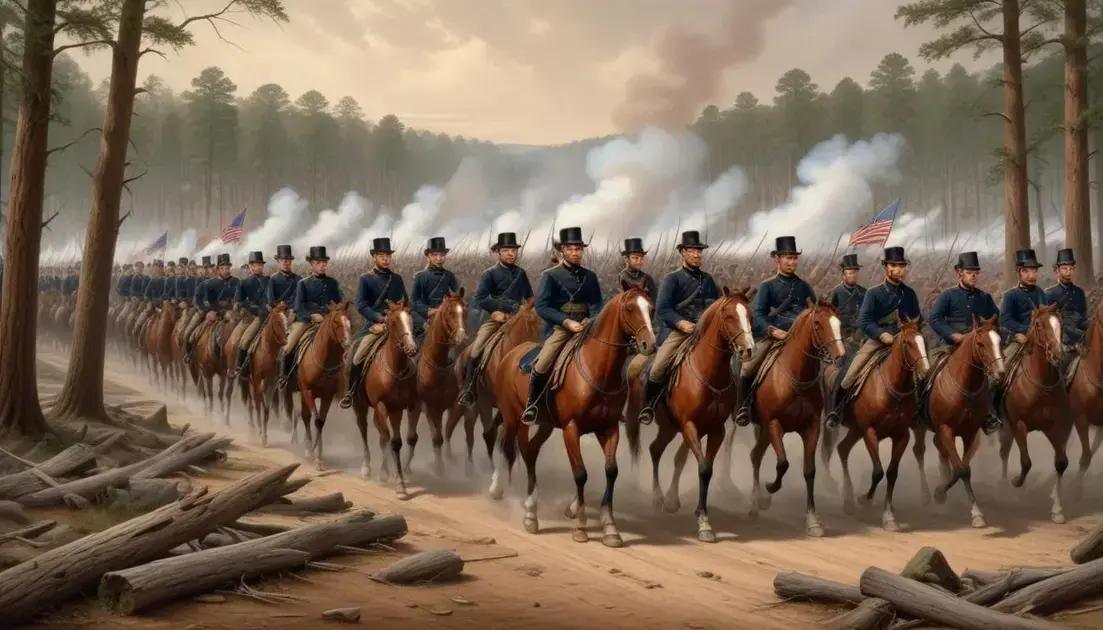
The march covered about 300 miles from Atlanta to Savannah. This long journey stressed the Southern resources and morale. The sight of Union troops advancing instilled fear and uncertainty.
Destruction of Infrastructure
One of the main tactics was to destroy railroads and bridges. By targeting these structures, Sherman made it difficult for the South to move troops and supplies. His men often used a technique called “railroad twisting” to render the railways useless.
Psychological Warfare
Psychological tactics were also important. Sherman aimed to break the spirit of Southern civilians. His message was clear: the war would come to their doorsteps. This was an attempt to push them to pressure their leaders for peace.
Use of Scouting
Effective reconnaissance played a big role. Sherman’s forces sent out scouts to gather intelligence about enemy positions. This helped in planning their movements and avoid ambushes.
These strategies and tactics not only demonstrated Sherman’s military genius but also changed the nature of warfare during the Civil War.
Impact on the Civil War
The impact of Sherman’s March on the Civil War was profound. It changed tactics, perceptions, and the war’s overall momentum. This campaign was not just about winning battles; it altered the course of the conflict.
Weakened Confederate Forces
By destroying resources, Sherman weakened Confederate forces. Without supplies and reinforcements, their ability to fight diminished significantly. This damage forced the Confederates to stretch their lines thin.
Boosted Union Morale
His campaign boosted morale among Union soldiers and supporters. Victories in the South showed that the Union could march into enemy territory. It created a renewed sense of hope and determination among Northern citizens.
Changing Public Perception
Sherman’s tactics changed public perception of warfare. The harsh realities of total war were now evident. This shift raised questions about the ethics of such strategies but also highlighted the necessity of ending the conflict.
Accelerated the End of the War
The march played a role in hastening the war’s end. As Southern cities fell to the Union, calls for peace grew louder. The devastation made many question the war’s continuation.
Legacy of Total War Tactics
Sherman’s approach established a precedent for total war. Future military leaders studied his methods. They recognized how psychological and physical destruction could lead to quicker victories.
Overall, Sherman’s March was a turning point in the Civil War. Its influence is still studied in military strategy today.
Aftermath and Historical Significance
The aftermath of Sherman’s March had lasting effects on the Civil War and American history. It left a mark on both military strategy and civilian life in the South.
Destruction of Southern Infrastructure
The march caused extensive destruction. Many towns were left in ruins, with homes and businesses destroyed. This devastation set back the Southern economy for years.
Shift in Military Strategies
Success in this campaign changed military strategies forever. Sherman’s tactics of total war influenced future leaders. They learned the importance of crippling an enemy’s resources to achieve quick victories.
Emotional Impact on Civilians
Southern civilians faced tremendous hardship after the march. Many lost their homes and livelihoods. The hardships they endured contributed to a deep sense of resentment and loss.
Historical Legacy
Historically, Sherman’s March is often seen as a turning point. It demonstrated the harsh realities of war and the extent to which military leaders would go to achieve victory.
Foundation for Modern Warfare
This campaign laid groundwork for modern warfare. Today’s military strategies often reflect principles used during the march. The concept of psychological warfare and resource destruction remains significant.
Overall, Sherman’s March is crucial in understanding the Civil War and its impacts on America. Its significance continues to be studied today, highlighting its role in shaping military history.
Conclusion
In summary, Sherman’s March had a profound impact on the Civil War and American history. His approach to total war changed military strategies and affected civilians deeply. The destruction left behind took a toll on Southern communities and altered the course of the war.
Understanding the aftermath of this campaign helps us see how war can shape societies. While Sherman aimed to end the conflict quickly, his methods left scars that lasted for generations. Today, we continue to study these events to learn from the past and understand the complexities of warfare.
Tags: