Soviet nostalgia and retrofuturism in modern culture
Exploring the themes of memory and identity in contemporary art reveals how artists use personal experiences to connect with viewers. These themes encourage reflection on individual stories while challenging stereotypes. The integration of memory reflects both personal and shared histories, while identity highlights the diversity that shapes us. Engaging with such art fosters deeper conversations and enhances our understanding of cultural perspectives in today’s society.
In recent years, Soviet Nostalgia has emerged as a fascinating trend, intertwining with retrofuturism and reshaping our perspectives in modern culture. What drives this revival? Let’s dive in!
The Aesthetic Appeal of Soviet Nostalgia
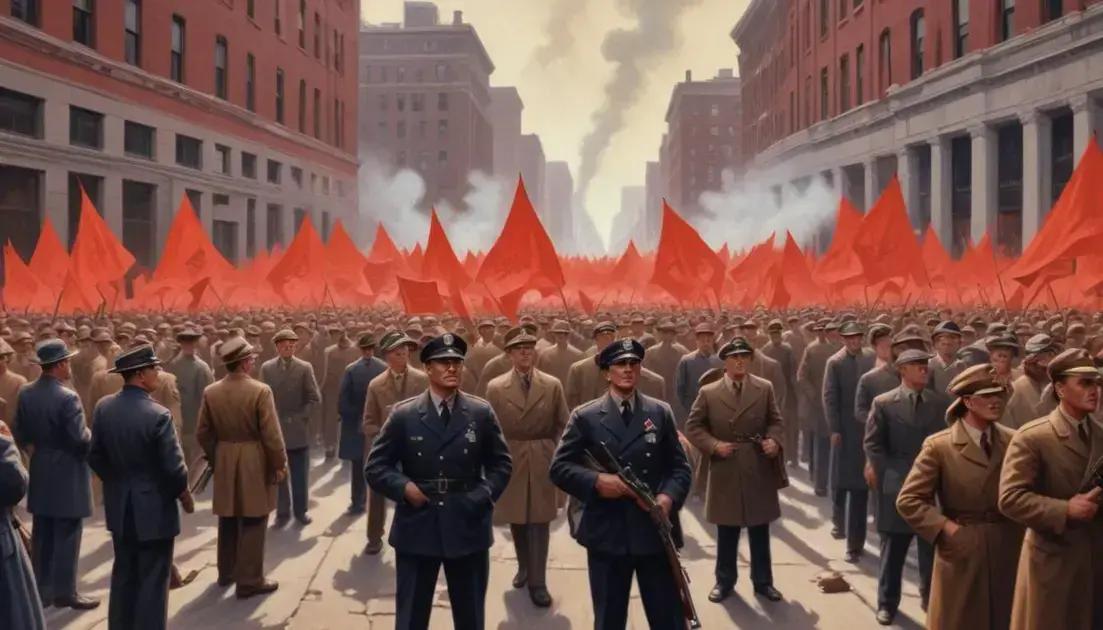
The aesthetic appeal of Soviet Nostalgia touches many people today. It brings back memories of a unique era. From bold colors to iconic designs, the visuals are striking and unforgettable. Think of the famous red star or the distinct propaganda posters. These images evoke a sense of history and emotion.
Visual Elements of Soviet Nostalgia
Colors play a big role in this aesthetic. Reds, yellows, and blacks often dominate the scenes. These colors can create feelings of power and unity. The imagery usually reflects the ideals of the time, focusing on community and strength.
Popular Items and Symbols
Many people are drawn to items like old cameras, vintage clothing, and even Soviet-era toys. These objects resonate with a sense of nostalgia. They remind us of a time when life was simpler yet full of passions. Collectors and enthusiasts seek out these artifacts for their charm and history.
Soviet Culture in Art and Design
Art and design during the Soviet era had a significant impact. Artists used their work to express hopes and dreams. They played with forms and colors that still inspire modern designers. Today, you can see these influences in fashion and graphic art.
This revival of Soviet Nostalgia in modern culture brings excitement and curiosity. It invites people to explore and appreciate the past while envisioning a bright future. As we blend these elements into our lives today, we honor a complex history filled with beauty and meaning.
How Retrofuturism Shapes Today’s Culture
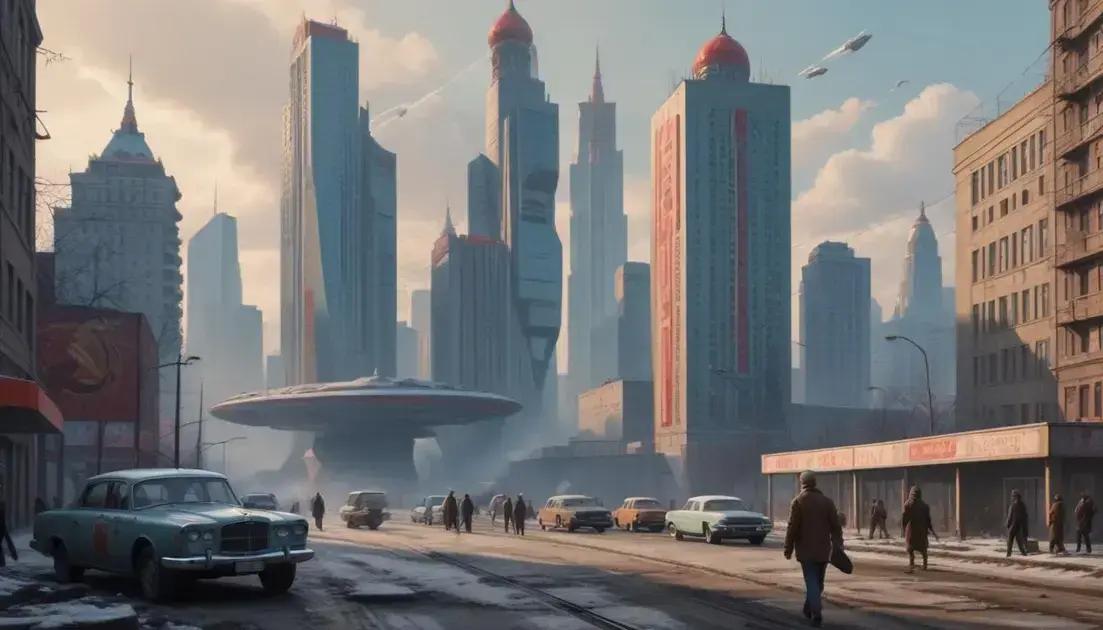
Retrofuturism is a style that combines past visions of the future with modern elements. It’s fascinating how it shapes today’s culture. Many people enjoy the unique blend of nostalgia and forward-thinking design. You see it in art, fashion, and even technology.
Visual Style of Retrofuturism
The colors and shapes are often inspired by mid-20th century aesthetics. Think of bright hues, bold patterns, and quirky forms. These elements create a fun, playful vibe that attracts interest.
Influence on Fashion
In fashion, retrofuturism brings back styles from the 60s and 70s. Designers mix vintage cuts with modern materials. Outfits often showcase bright colors and unique accessories. This creates a fresh take on classic looks.
Impact on Art and Media
Artists incorporate retrofuturist themes into their works. Movies and TV shows also embrace this style. Scenes of retro gadgets and flying cars turn heads and spark imagination. This nostalgia offers viewers both comfort and excitement.
Technology and Innovation
Even tech companies are influenced by retrofuturism. They create gadgets that look vintage but have modern features. This blend satisfies our love for the past while pushing boundaries. It shows how history can inspire innovation.
Retrofuturism invites us to dream about what the future could be. It connects us to our roots while sparking creativity and excitement about what’s next. This ongoing movement keeps evolving, shaping our culture in intriguing ways.
Cultural Commodification in Modern Society
Cultural commodification means turning cultural elements into products we can buy and sell. This happens every day around us. Movies, music, and fashion often showcase cultural aspects for profit. While it can spread awareness, it can also misrepresent the original meaning.
The Role of Media
Media plays a big part in this process. Think about how films portray different cultures. Sometimes, they highlight rich traditions. Other times, they oversimplify or stereotype them. This leads to mixed messages about what culture truly represents.
Fashion and Identity
In fashion, brands often adopt styles from various cultures. While this can be fun, it may overlook the deeper significance behind those styles. Wearing traditional clothing as a fashion statement can be seen as disrespectful. It’s important to respect cultural meanings.
Pros and Cons of Commodification
On one hand, commodification can boost cultural exchange. It allows people to learn about other traditions. On the other hand, it risks losing the essence of those cultures. When things become products, their original meanings can fade.
Walking the Fine Line
To appreciate different cultures, we must find a balance. Understanding the context and history behind cultural elements is essential. This way, we can enjoy them while respecting their significance.
The Influence of Soviet Legacy on Contemporary Art
The influence of the Soviet legacy on contemporary art is profound and wide-reaching. Many artists draw inspiration from this historical period. They explore themes like identity, memory, and political ideologies. This connection creates an exciting dialogue between past and present.
Visual Language and Symbols
Soviet art used specific colors and symbols that still resonate today. Bold reds and deep blues can represent passion and strength. Artists often incorporate these elements into their works. By doing so, they evoke feelings and reflections on history.
Modern Interpretations
Contemporary artists reinterpret Soviet themes in fresh ways. They might take old propaganda posters and make them new. Some artists create installations that challenge views of the Soviet era. This sparks discussions about freedom, oppression, and artistic expression.
The Role of Museums and Galleries
Museums and galleries showcase this legacy through exhibitions. They present artworks that highlight the Soviet influence. These displays help viewers understand the complexities of that time. Visitors can connect with historical narratives through art.
Connecting Generations
By blending Soviet heritage with modern techniques, artists connect generations. Young audiences learn about the past through engaging art forms. This interaction nurtures cultural appreciation and fosters dialogue about history’s impact on today.
Exploring Themes of Memory and Identity
Exploring themes of memory and identity in art can reveal a lot about us. Artists often use personal stories to express these ideas. Memories shape who we are and how we see the world. They influence our thoughts, emotions, and identities.
The Importance of Memory
Memory plays a crucial role in creating art. It allows artists to connect with their past experiences. These experiences provide rich material for their work. By sharing their memories, artists invite others to relate and reflect.
Identity in Contemporary Art
Identity is another important theme in modern art. Artists explore cultural backgrounds, gender, and societal roles. They often challenge stereotypes and celebrate diversity. This encourages conversations about what makes each person unique.
Artistic Techniques and Styles
Different techniques highlight themes of memory and identity. Some artists use mixed media to blend materials and textures, while others might focus on vivid colors or abstract forms. These styles help convey deeper meanings and emotions.
Impact on the Audience
When viewers engage with this art, they may reflect on their own memories and identities. This connection makes art powerful and relatable. It creates a space for dialogue and understanding among different individuals.
Conclusion
In conclusion, exploring themes of memory and identity through art reveals important insights about our lives. Artists use their experiences to connect with others, inviting reflection and understanding. These themes encourage us to think about our own stories and how they shape who we are.
By examining memory, we understand the personal and collective experiences that influence us. The theme of identity challenges stereotypes and highlights the beauty in our differences. As we engage with this art, we not only appreciate creativity but also foster deeper connections with ourselves and each other.
Ultimately, art that explores memory and identity enriches our lives. It opens up discussions and helps us to see the world through new lenses. Embracing these themes allows for a shared journey of discovery and appreciation in our diverse society.