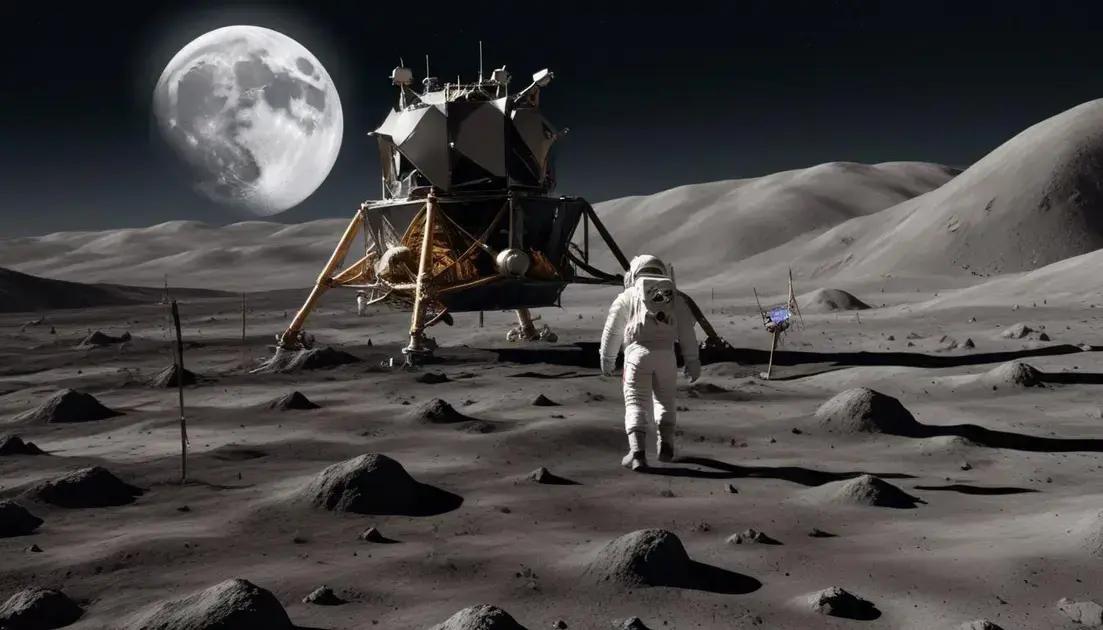
Soviet Technology: From Sputnik to Lunar Probes
The legacy of Soviet space innovation includes groundbreaking achievements like launching the first artificial satellite, Sputnik, and sending the first human, Yuri Gagarin, into orbit. These milestones catalyzed advancements in rocket and spacecraft technology, inspiring global interest in space exploration. Soviet lunar probes explored our closest celestial neighbor, providing key data that continues to influence modern missions. Overall, the impact of Soviet contributions to space exploration is profound and lasting, shaping technologies we rely on today and encouraging future generations to pursue careers in science and engineering.
Soviet Technology has been a motivating force in the realm of space exploration. Just think about it – who hasn’t heard of Sputnik, or the incredible lunar probes that followed? Let’s dive into how these feats have shaped our understanding of the cosmos!
The Early Achievements of Soviet Space Technology
The early achievements of Soviet space technology were nothing short of remarkable. The race to space began in the 1950s, and the Soviet Union was leading the way. One of their most notable successes was the launch of Sputnik in 1957. This satellite was the first artificial object to orbit the Earth.
The Impact of Sputnik
Sputnik changed everything. When it was launched, it sparked a global race for space exploration. People all over the world were amazed that a man-made object could circle the Earth. This event also made the US realize they needed to step up their game.
Other Significant Missions
Following Sputnik, the Soviets launched many missions. They sent the first living creature, a dog named Laika, into space aboard Sputnik 2. Sadly, Laika did not survive, but her journey paved the way for human spaceflight.
Another important achievement came in 1961 when Yuri Gagarin became the first human in space. His journey lasted just 108 minutes but made history and inspired countless people. Gagarin’s success proved that humans could survive and work in space.
Advancements in Technology
Soviet space technology also focused on developing rockets and spacecraft that could carry heavier payloads. They created reliable vehicles like the Vostok and Voshkod spacecraft. Each of these advancements increased the capability for scientific research in orbit and laid the groundwork for future exploration.
These early achievements showed the world how serious the Soviet Union was about space exploration. They started a legacy that would inspire future generations of astronauts and scientists. The work done during this time created a foundation for all the amazing things we see in space today.
Sputnik: The First Artificial Satellite
Sputnik was a groundbreaking achievement in space history. Launched by the Soviet Union on October 4, 1957, it became the first artificial satellite to orbit the Earth. This tiny satellite measured just 58 centimeters in diameter. It weighed about 83 kilograms, which was quite impressive for its time.
The launch of Sputnik sent shockwaves around the globe. People were fascinated to see a man-made object in space. It emitted signals that could be received on Earth, creating excitement and curiosity. Schools and universities started teaching about space and science on a larger scale.
The Technological Impact
Sputnik’s launch marked the beginning of the space race between the Soviet Union and the USA. It showed the world the power of rocket technology. This achievement pushed scientists and engineers to develop better rockets and satellites. It also led to increased funding for space programs.
Public Reaction
The reaction to Sputnik was mixed. Some people celebrated this leap in technology, while others felt fear. The United States realized that they needed to catch up. This changed the focus of many government programs and sparked more discussions about science and technology.
Sputnik didn’t just influence governments; it also inspired artists and writers. Many songs, books, and films were created as a response to this historic event. It became a symbol of human achievement and ambition.
The impact of Sputnik continues to be felt today. It opened the door to future space missions and exploration. Without Sputnik, we might not have the advanced technologies we enjoy now, such as GPS and satellite communications.
Lunar Probes and Their Significance
Lunar probes have played a major role in our understanding of the Moon. These sophisticated spacecraft are designed to explore and gather data about our closest celestial neighbor. Some of the earliest probes, like Luna 2, were key milestones in this journey.
Luna 2 was the first human-made object to reach the Moon. Launched by the Soviet Union in 1959, it impacted the Moon’s surface. This marked a giant leap in space exploration.
Exploring the Lunar Surface
Subsequent lunar probes helped us learn more about the Moon’s surface and makeup. They captured images, measured temperature, and analyzed soil samples. These activities provided scientists with valuable data.
Significant Discoveries
Lunar probes have uncovered many important discoveries. For instance, they identified the presence of water ice in shadowed craters. This finding excites scientists, as it might be useful for future Moon missions.
The Apollo missions also relied on data from these probes. Information gathered helped astronauts land safely on the lunar surface during the historic Apollo 11 mission. This mission became a milestone in human space exploration.
The Future of Lunar Exploration
Today, lunar probes continue to inspire new missions. Space agencies around the world are developing plans to return to the Moon. They hope to establish bases, conduct more experiments, and even prepare for missions to Mars.
Lunar probes have laid the groundwork for future exploration beyond our planet. Each mission builds on the knowledge gained from previous ones, creating a path for further discoveries in space.
The Legacy of Soviet Space Innovation
The legacy of Soviet space innovation is one of astonishing achievements. From the first human in space to numerous satellite launches, these accomplishments shaped modern space exploration. Soviet scientists and engineers pushed the boundaries of what was thought possible.
One key achievement was the launch of Yuri Gagarin aboard Vostok 1 in 1961. He became the first human to orbit the Earth. This mission showcased human potential and sparked public interest in space.
Developing Spacecraft and Technology
Soviet engineers created many successful spacecraft. Their designs led to advancements in rocket technology. This allowed for heavier payloads and more complex missions. Probes like Luna and Mars explored beyond our planet, gathering crucial data.
International Collaboration and Influence
The Soviet space program laid the groundwork for future international collaboration. Programs like the Intercosmos allowed various nations to participate in space exploration. This opened doors for shared knowledge and advancements in technology.
Today, we see the effects of this legacy in every aspect of space exploration. From GPS technology to satellite communications, many technologies emerged from Soviet innovations.
Inspiring Future Generations
The impact of Soviet space innovation continues to inspire scientists and engineers worldwide. It encourages new generations to pursue careers in STEM (science, technology, engineering, and mathematics). Programs aimed at educating youth about space help keep this spirit alive.
Soviet achievements in space remind us of the possibilities that come from determination and creativity. They encourage us to reach for the stars and never stop exploring.
Conclusion
In conclusion, the legacy of Soviet space innovation has greatly shaped our understanding of space today. From launching the first satellite, Sputnik, to sending humans into orbit, these achievements opened new frontiers for exploration. The impact of their work is evident in the technology we use every day.
Moreover, these historic efforts inspire new generations to explore science and engineering. As we continue to explore space, we carry forward the spirit of innovation that started in the Soviet era. By learning from the past, we can build a brighter future for space exploration and discovery. This legacy encourages us all to dream big and reach for the stars.