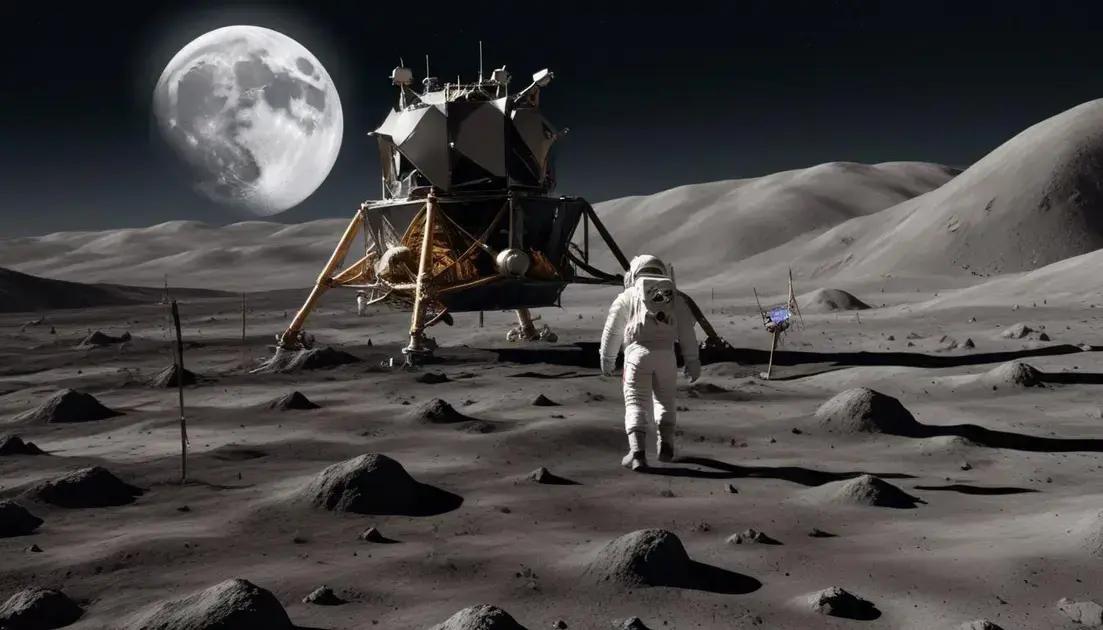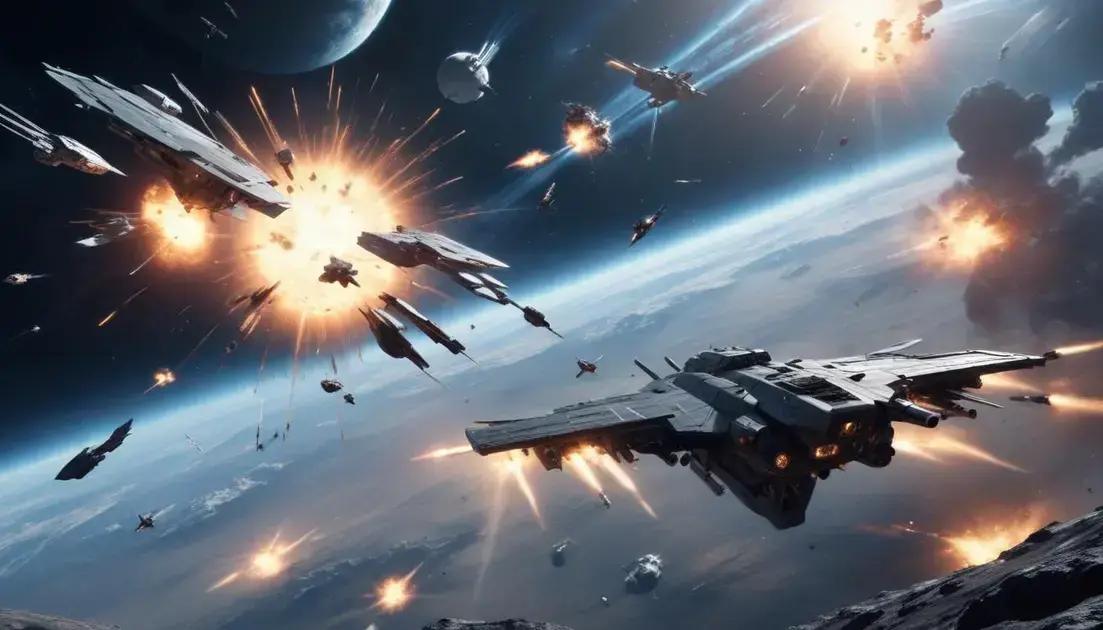
Space as battlefield: the militarization of the cosmos
Space warfare is an emerging concern as countries militarize space, leading to geopolitical tensions and the risk of conflict. Key players like the United States, China, and Russia are investing in advanced technologies to secure their interests in this new frontier. The potential for debris from space combat raises safety issues for satellites, impacting global communication systems. Cooperation and regulations are essential to mitigate these risks and ensure a safer space for all. Understanding these developments is crucial for comprehending the future of international relations and security in space.
Space Warfare is no longer just a concept—it’s evolving into a reality. With nations increasingly investing in space technology, how will this affect global politics?
Introduction to Space Warfare
Space Warfare is changing how countries interact. In the past, wars were mostly fought on land or at sea. Now, the final frontier is becoming a battlefield. Countries are racing to take control of space.
Why does space matter? Satellites play a huge role in our daily lives. They help with communication, GPS, and weather forecasting. But, the same technology that helps us can also be used for military purposes.
As nations develop advanced technologies, they want to secure their interests in space. For example, the United States and China are investing heavily in satellite advancements. This competition can lead to tensions on Earth.
Some may wonder, can we really fight in space? Yes, it is possible. Besides satellites, nations are exploring the use of lasers and anti-satellite weapons. These innovations change the game, making the sky another front in global conflicts.
Many experts warn us about the consequences of militarizing space. If fights happen there, debris and wreckage could make important orbits unsafe. This could hurt civilian uses of space.
Understanding Space Warfare is crucial. It affects not only countries but also ordinary people. The conversation about its implications must continue, as space becomes a critical part of our future.
Historical context of militarization
The historical context of militarization in space is fascinating. It didn’t begin overnight. After World War II, nations realized space could be a vital battlefield. The launch of Sputnik in 1957 marked the start of the space race.
During the Cold War, the United States and the Soviet Union invested heavily in space technology. They wanted to prove their power and defend their interests. This led to the development of various military satellites.
Countries began to see the potential for space to enhance national security. Satellites could provide intelligence and surveillance. They could also support communication for military operations.
As time went on, more nations joined the race. Countries like China and India began developing their own space programs. These nations recognized that control of space is crucial for global influence.
In recent years, the idea of space militarization has gained attention. More governments are concerned about space as a potential war zone. Debates around the use of weapons in space are on the rise.
With growing technology, nations are considering new strategies. The fear of space becoming a battle zone could change how countries interact. The past shows us how space can be both a frontier for exploration and a stage for conflict.
Technological advancements in space
Technological advancements in space have been incredible. Nations are developing new tools to explore, monitor, and protect space. One major area is satellite technology.
Satellites now come in all shapes and sizes. They can provide real-time data, from weather updates to military surveillance. These advancements have changed how we understand our world.
Another exciting area is rocket technology. Companies like SpaceX are developing reusable rockets. This innovation reduces costs and helps make space travel more accessible.
Additionally, nations are investing in advanced propulsion systems. These systems help spacecraft travel faster and farther. This could enable missions to Mars and beyond.
Artificial intelligence is also becoming essential. AI can analyze large amounts of data from space. This helps scientists make important decisions quickly and efficiently.
Robotics is another key part of space technology. Robots are used for exploring planets and repairing satellites. They help complete tasks that are too risky for humans.
As technology advances, so does our understanding of space. These innovations may shape how we explore the universe and defend our interests in it. Understanding these developments is vital as we move toward a more complex reality in space.
Current geopolitical tensions
Current geopolitical tensions are shaping the landscape of space militarization. As nations compete for dominance, conflicts are brewing. Countries like the United States, Russia, and China are at the forefront of this struggle.
These nations see the control of space as crucial. They understand that satellites and technology can provide military advantages. This leads to increased investments in space defenses and weaponry.
For example, the United States has developed systems to protect its satellites. This is important as these assets play a big role in national security. Similarly, China has been expanding its capabilities rapidly, causing concern worldwide.
Russia has also shown interest in space as a military frontier. They have tested anti-satellite weapons that raise alarm bells among other nations. This creates a climate of fear and uncertainty regarding space security.
All these tensions can affect international relations. Countries may form alliances based on their interests in space. These alliances could lead to new conflicts or escalate existing ones.
Observers warn that if space becomes a battleground, there will be serious consequences. Space debris from destroyed satellites could endanger all spacecraft and satellites. This makes figuring out how to manage these tensions extremely important.
Future implications of space combat
Future implications of space combat are a topic of growing concern. As countries invest in military technology for space, we must think about what this means. If nations go to war in space, it could change how we live on Earth.
First, space combat can lead to dangerous debris. When satellites or rockets are destroyed, they create fragments that orbit the Earth. This debris poses a risk to other spacecraft and satellites, making space less safe.
Additionally, conflicts in space could disrupt communication systems. Many everyday services like GPS and the internet rely on satellites. If these are damaged, it could cause widespread issues on Earth. This means any space conflict could directly affect people’s daily lives.
Moreover, the militarization of space may trigger an arms race. Countries may rush to develop more advanced weapons to protect their assets. This competition could lead to more tensions between nations, increasing the likelihood of conflicts.
New weapons systems, like anti-satellite missiles, could also rise. If one country strikes first, others may follow suit. This could create a cycle of retaliation, plunging us into larger conflicts.
In the long run, we need agreements and regulations in space. International cooperation is essential to prevent conflicts. Establishing clear rules can help nations work together rather than against each other.
Conclusion
In summary, the rise of space warfare shows us that the future of conflict is changing. Technology plays a crucial role in shaping how nations interact. With advancements in satellites and military capabilities, we must consider the potential risks involved.
It’s vital for countries to work together. Clear regulations can help prevent conflicts in space. As we navigate these new challenges, the safety of our satellites and the services they provide must remain a priority.
Ultimately, understanding the implications of space militarization is essential. The choices we make today will affect not just military strategies, but also everyday life on Earth. Let’s hope that cooperation prevails over conflict in our shared future in space.