Space Race: Science, Power and Propaganda
The Space Race left a lasting legacy that revolutionized technology, inspired future exploration, and encouraged global cooperation. Major advancements emerged from this competition, leading to innovations in satellite communication, computer technology, and STEM education. Additionally, the cultural symbolism of achievements like the moon landing united nations in pride and aspiration. As we continue to explore space, we remember the transformative impacts of the Space Race on our world today.
Space Race isn’t just a story of rockets and astronauts; it’s about the fierce political tension between global giants. So, why does this matter to us today?
Overview of the Space Race
The Space Race was a thrilling time when the USA and USSR competed to achieve space exploration milestones. It started in the late 1950s and continued through the 1970s, capturing the world’s imagination. This rivalry transformed not just technology but also politics and culture.
Key Events in the Space Race
One of the most significant moments was the launch of Sputnik 1 by the USSR in 1957. This was the first artificial satellite, and it shocked many in the United States. The USA quickly responded by launching Explorer 1 in 1958.
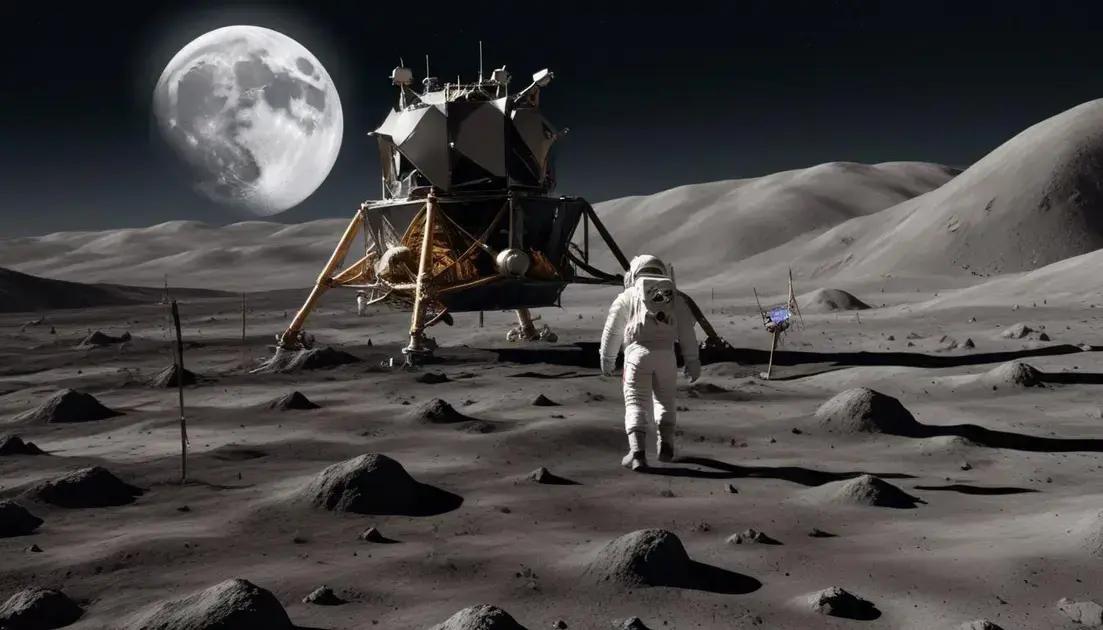
Another milestone came with the moon landing in 1969. NASA’s Apollo 11 mission successfully landed Neil Armstrong and Buzz Aldrin on the moon. This event marked a huge victory for the USA and demonstrated its technological prowess.
Technological Innovations
The Space Race led to incredible technological advancements. Rockets developed during this time laid the groundwork for modern space exploration. Many of these technologies now benefit us, from weather satellites to GPS systems.
Political and Cultural Impacts
The rivalry shaped global politics. Countries around the world watched closely, as success or failure in space could influence public opinion and political power. Books, movies, and art of the era reflected this excitement and tension.
The Space Race also inspired a generation to pursue science and engineering careers. Schools emphasized STEM education, and many young people dreamed of becoming astronauts.
Political Impact of Space Exploration
The political impact of space exploration during the Cold War was huge. Both the USA and the USSR used space achievements to show their strength. Winning the Space Race meant showing the world who was more advanced.
Global Perception
Every successful launch changed how other countries viewed the USA and USSR. If one country achieved a new milestone, it could create fear or admiration in others. Space exploration was seen as a symbol of technological superiority.
Military Implications
Space technology often had military uses too. Rockets designed for space could also launch nuclear weapons. This added tension to international relations. Countries wanted to protect themselves from potential threats.
Political Messaging
Leaders used successful space missions to rally their citizens. For example, America celebrated the moon landing as a great national achievement. It boosted confidence and national pride.
In contrast, the USSR promoted their achievements as proof of the strength of communism. This propaganda aimed to attract allies and weaken opposition. Both nations carefully crafted messages around their space successes.
Alliances and Rivalries
Space exploration also influenced international alliances. Countries aligned themselves with the USA or USSR based on their space ambitions. Some nations started their own space programs to demonstrate independence and innovation.
Overall, the political impact of space exploration shaped the actions and decisions of world leaders. It highlighted the importance of technological advancements in global politics.
Technological Advances during the Race
During the Space Race, technology advanced rapidly. Both the USA and the USSR pushed each other to develop new inventions. Many of these breakthroughs changed the world we live in today.
Rocket Technology
Rocket technology saw huge improvements. The designs became more efficient and powerful. For instance, the Saturn V rocket launched Apollo missions, taking astronauts to the moon.
Computers and Data Processing
Computers also evolved during this era. NASA used early computers to calculate flight paths. These machines were big but helped solve complex problems. Over time, computers became smaller and faster.
Satellite Development
Satellites were a major focus too. The first satellites provided valuable data about the Earth and space. They improved weather forecasting and communication, impacting everyday life.
Spacecraft Design
The design of spacecraft grew more advanced. Engineers created better shielding for protection against radiation. They made life support systems to keep astronauts safe during long missions.
Scientific Research and Discoveries
The missions led to many scientific discoveries. We learned about the moon’s surface, other planets, and even the effects of space travel on the human body.
These technological advances from the Space Race don’t just belong in history. They laid the groundwork for today’s space exploration and technology.
Cultural Symbolism of Space Achievements
Space achievements became powerful cultural symbols during the Space Race. They represented more than just science; they showed national pride and human progress. When rockets launched, people around the world watched with awe.
National Pride
In the USA, the moon landing made many feel proud. Neil Armstrong’s steps on the moon symbolized American innovation and determination. It was a moment of unity, bringing people together in celebration.
Art and Media Influence
Movies, books, and songs reflected the excitement of space exploration. Films like “2001: A Space Odyssey” sparked imaginations about the future. Artists used space themes to express ideas about technology and humanity.
Inspiration for Future Generations
Space achievements inspired young people to dream bigger. Schools encouraged students to explore science and engineering careers. Many future astronauts grew up idolizing those who made space history.
Global Influence
Other countries also felt the impact. Each successful mission by the USA or USSR influenced their national identities. Nations wanted to showcase their capabilities and ambitions.
Overall, cultural symbols of space achievements shaped our understanding of progress. They showed how far humanity could go when we dreamed big.
Legacy of the Space Race
The legacy of the Space Race continues to shape our world today. It wasn’t just about reaching the moon; it sparked countless advancements in science and technology. Many of these developments are part of our everyday lives now.
Technological Innovations
Many technologies we use today came from space exploration. For example, satellite technology has transformed communication and weather forecasting. We rely on satellites for GPS and internet services.
Inspiration for Future Exploration
The Space Race inspired new missions to explore Mars and beyond. NASA and other space agencies are now focused on deeper space exploration. Missions to Mars and the study of asteroids are exciting programs currently underway.
Education and STEM
The race created a strong push for STEM education. Schools began to emphasize science, technology, engineering, and math. Many young people entered careers in these fields, wanting to contribute to space and technology.
Global Cooperation
Today, countries often work together on space missions. The International Space Station (ISS) is a symbol of this cooperation. It involves astronauts from many nations working side by side.
Overall, the legacy of the Space Race has left a positive impact. It encourages innovation and collaboration among countries. It also reminds us of what humanity can achieve when we strive for big goals.
Conclusion
In conclusion, the legacy of the Space Race has profoundly shaped our modern world. It sparked amazing technological advancements that we now use every day. From satellite communication to advancements in education, the impact is clear.
Moreover, it inspired a new generation to reach for the stars, pushing boundaries in science and cooperation. As we continue exploring space, we honor the achievements of the past while aiming for bright futures. The spirit of the Space Race reminds us of what we can achieve together when we dream big.