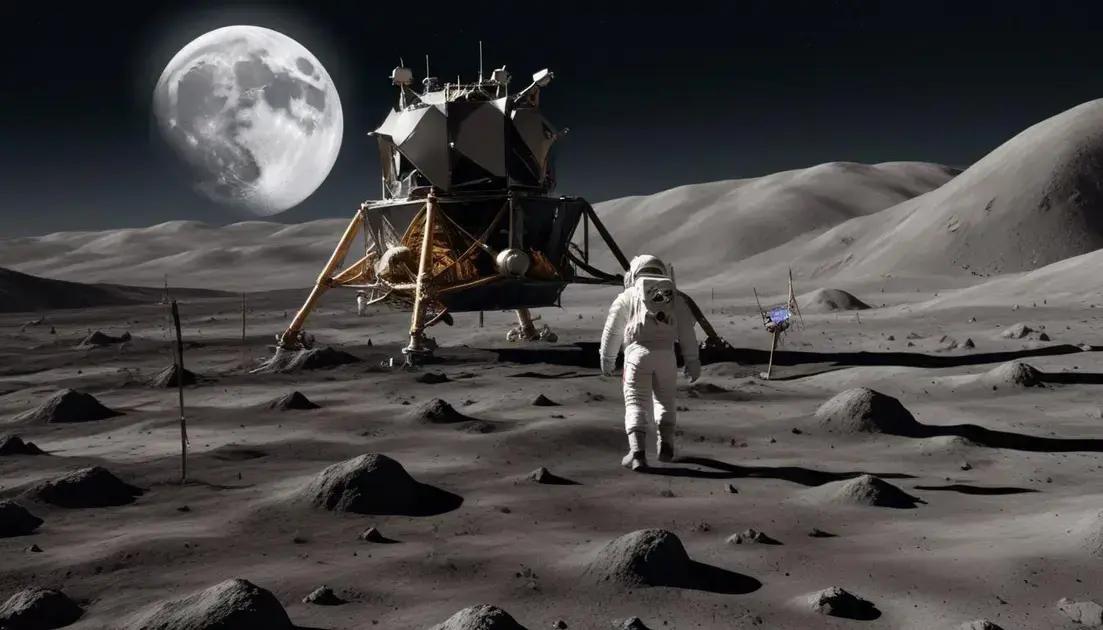
Space Travel: Human Curiosity and Ambition
The future of space exploration is set to be dynamic, with NASA’s Artemis program aiming to return humans to the Moon and establish a lunar base. This will enhance our capabilities for deeper space exploration, including potential manned missions to Mars. Innovation in technology is essential, as private space companies contribute to making travel more affordable and efficient. The continued pursuit of discovery in the cosmos highlights the ambition driving humanity to uncover new knowledge and experiences beyond our planet.
Space Travel has always fascinated humanity, driving us to explore the unknown and push our limits. Why do we look to the stars? Let’s dive in!
The Historical Context of Space Travel
The story of space travel begins with the early ambitions of humanity. For centuries, people looked up and wondered what lay beyond our world. This curiosity sparked a quest for knowledge and exploration.
Early Achievements
In the 20th century, significant strides were made in rocketry. Pioneers like Konstantin Tsiolkovsky and Robert Goddard laid the groundwork for modern space travel. Their ideas and experiments became critical in launching the first rockets.
The Space Race
The Space Race between the US and USSR during the Cold War pushed space exploration forward. In 1957, the Soviet Union launched Sputnik, the first artificial satellite. This event shocked the world and spurred the US to enhance its efforts.
Human Spaceflight
In 1961, Yuri Gagarin became the first human to travel into space. His journey marked a major milestone in history. Following this, the US launched Project Mercury, leading to John Glenn’s orbit around Earth in 1962.
Moon Landing
Then came the historic Apollo 11 mission in 1969. Neil Armstrong and Buzz Aldrin became the first humans to walk on the Moon, fulfilling a dream that inspired generations. This event showcased the power of human ambition and technology.
Advancements Since Then
After the Moon landing, numerous missions expanded our knowledge of space. The Space Shuttle program allowed humans to live and work in space for extended periods. Today, we have the International Space Station, a symbol of international cooperation.
Each step in space travel has been fueled by curiosity and a desire to push boundaries. As we look to the future, these historical efforts remind us of our endless possibilities in exploring the cosmos.
Human Curiosity and Innovation
Human curiosity drives us to explore beyond our limits. It’s this desire that pushes people to invent and innovate. From the dawn of time, humans have questioned the world around them.
Curiosity Sparks Innovation
This curiosity has led to incredible advancements. For example, when we first looked at the stars, we wanted to reach them. This desire to explore the unknown has fueled countless innovations in technology.
Engineering Breakthroughs
Many engineering breakthroughs came from the need to cross new frontiers. Rockets, satellites, and spacecraft are all results of human ingenuity. Innovators worked tirelessly to turn big ideas into reality.
Creativity in Space Exploration
Creative solutions are vital in space travel. Engineers design spacecraft to withstand harsh conditions. Every component is designed with a specific purpose to ensure safety and success.
Collaborative Efforts
Innovation often happens through teamwork. Scientists, engineers, and astronauts work together to solve complex problems. This collaboration leads to breakthroughs that might not happen alone.
Inspirational Figures
Many inspiring figures have shaped space exploration. Think of pioneers like Wernher von Braun, who developed the Saturn V rocket. Their passions and ideas inspire future generations to dream big.
Human curiosity and innovation are essential for space travel. They remind us that when we look to the stars, we can achieve amazing things together.
Ambition in the Race for Space
Ambition has always played a big role in the race for space. Countries have competed to explore and discover more about the universe. This race has pushed the boundaries of what is possible.
The Cold War Context
During the Cold War, the United States and the Soviet Union battled for dominance. Each nation launched efforts to showcase their capabilities. This competition led to many important advancements in space technology.
Key Milestones
Milestones like the launch of Sputnik in 1957 marked the beginning of the race. This satellite surprised the world and fueled the ambition to beat the Soviets. Soon after, NASA was formed to lead American space efforts.
Project Apollo
The Apollo program aimed to land humans on the Moon. It was a bold goal that represented American ambition. In 1969, Apollo 11 achieved this dream, making Neil Armstrong the first human on the Moon.
Technological Innovations
Ambition drove technological innovations needed for space travel. Engineers developed powerful rockets and better life-support systems. Each advancement helped ensure that astronauts could safely travel and explore.
Private Sector Involvement
Today, ambition isn’t limited to just governments. Private companies like SpaceX and Blue Origin are leading the charge. Their goals include making space travel affordable and accessible for everyone.
This new wave of ambition continues to inspire. As we look to the future, we can expect even more exciting developments in space exploration.
The Future of Space Exploration
The future of space exploration looks bright and full of possibilities. Innovations are happening every day as we look toward new frontiers. Exciting missions are planned that will push the limits of our knowledge.
Returning to the Moon
NASA’s Artemis program aims to return humans to the Moon. This time, we want to explore the lunar south pole. Scientists believe there are resources there that could support future missions.
Building a Lunar Base
A lunar base could be our first step for deeper space exploration. It would serve as a hub for research and testing new technologies. Living on the Moon would also prepare us for journeys farther into the solar system.
Mars Missions
Meanwhile, Mars continues to capture our imagination. NASA and private companies plan missions to send humans to the Red Planet. These missions aim to answer questions about life on other planets and our future in space.
Advancements in Technology
New technologies are crucial for successful missions. Spacecraft will become more advanced and efficient. Innovations in propulsion systems could shorten travel times, making exploration safer and faster.
The Role of Private Companies
Private companies are revolutionizing space travel. They bring creativity and new ideas to the table. With their help, we can reach Mars and even venture beyond to asteroids and beyond.
As we explore the stars, we face challenges. Yet, the drive for discovery encourages us to push forward. The possibilities for the future of space exploration are truly limitless.
Conclusion
In conclusion, the future of space exploration is full of promise and excitement. With missions to the Moon and Mars on the horizon, we are ready to take bold steps into our cosmic future. Advancements in technology, combined with the ambition of both government agencies and private companies, will lead us to new discoveries.
Living on the Moon could change how we explore space and prepare us for longer journeys. Missions to Mars aim to answer important questions about life beyond Earth. As we continue to innovate, there’s no telling what we might find in the vastness of space.
Overall, the exploration of space inspires us to dream big. It encourages curiosity and pushes us to seek new knowledge. By supporting these missions, we can support the spirit of adventure and discovery that defines humanity.