Sparta: the city of warriors
The legacy of Sparta significantly influences today’s society through its emphasis on strength, discipline, and effective military training. Spartan women played a vital role by managing households and educating future warriors, showcasing resilience and independence. This unique structure and cultural impact continue to inspire admiration and motivate modern ideals of teamwork and hard work, making Sparta a lasting symbol of courage and excellence.
Welcome to the world of Sparta, where discipline and military prowess shaped a unique society. Are you ready to explore its intriguing history?
The Rise of Sparta
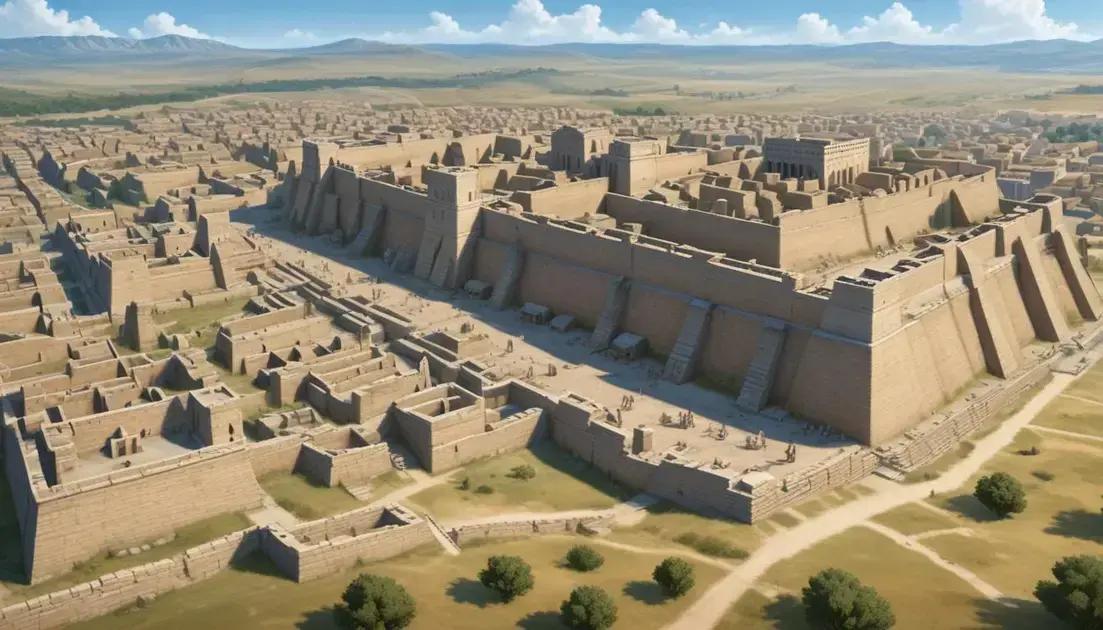
The rise of Sparta is a fascinating story of strength and determination. Located in the region of Laconia, Sparta became famous for its military prowess. The city began to grow during the early Iron Age, around 1100 BCE. Its warriors were well-trained, disciplined, and feared by many.
Early Development
At first, Sparta was just a small village. Over time, it expanded through conquest and unification of smaller settlements. The unique structure of Spartan society made it strong. They focused on training soldiers from a young age, ensuring their strength and unity.
Societal Structure
Sparta’s society was divided into several classes. The ruling class, known as the Spartiates, were full citizens. Below them were the Perioikoi, free but non-citizen inhabitants. The lowest class was the Helots, who were essentially serfs. This hierarchy played a crucial role in maintaining Spartan power.
Military Training: The Agoge
Spartan boys entered a rigorous training program called the Agoge. Starting at age seven, they were taught fighting skills, discipline, and survival. This system aimed to create fearsome warriors. The focus on physical strength and endurance made Spartan soldiers very effective in battle.
Warfare and Expansion
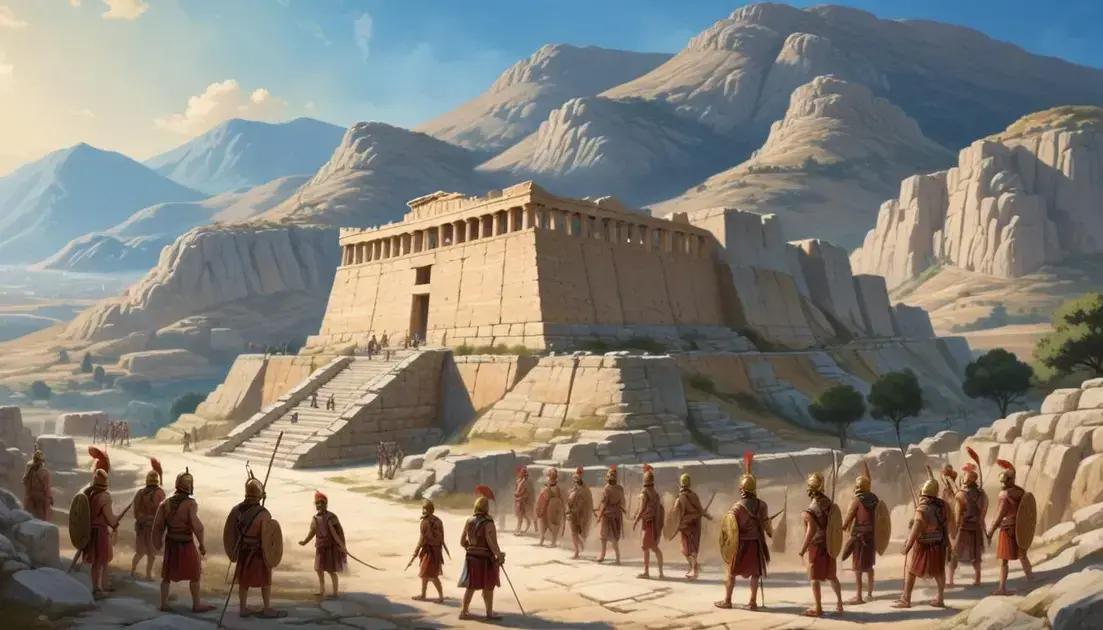
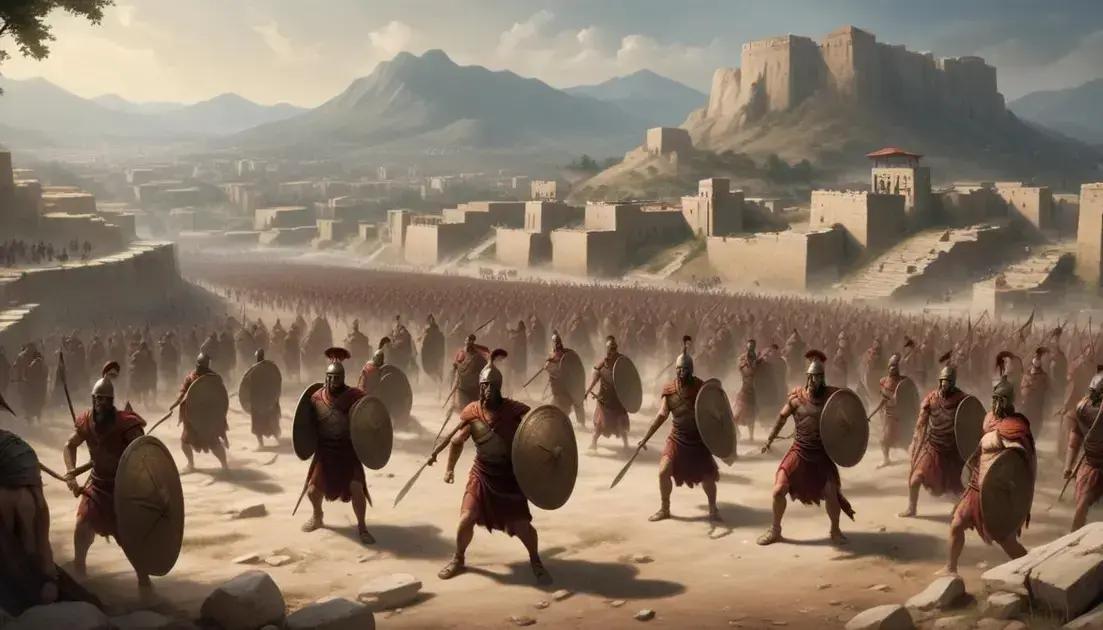
Sparta’s military success allowed it to expand its territory. They often fought against neighboring states, including Athens. Their unique approach to war and combat strategy set them apart. Sparta became a dominant force in ancient Greece, feared by many.
Social Structure and Education
The social structure of Sparta was unique and shaped its culture. It was divided into three main classes: the Spartiates, Perioikoi, and Helots. Each class had specific roles that were important to Spartan life.
The Spartiates
The Spartiates were the full citizens of Sparta. They had the rights to own land and participate in government. Training as warriors was essential for them. This group was small but very powerful.
The Perioikoi
The Perioikoi were free inhabitants but not full citizens. They lived in the surrounding areas. They handled trade and manufacturing while Spartiates focused on military training. Their work was vital for Sparta’s economy.
The Helots
The Helots were the lowest class in Spartan society. They were basically serfs, bound to the land they worked on. They provided agricultural labor. This allowed Spartiate warriors to focus entirely on military training.
Education in Sparta
Education in Sparta was aimed at creating strong soldiers. Boys began their education at age seven, entering a system called the Agoge. They trained physically and learned discipline, teamwork, and survival skills.
Women’s Education
Girls also received education in Sparta. They learned physical skills and were encouraged to be strong. Their role was crucial in raising future warriors and managing the household.
This focus on strength and military training set Sparta apart from other city-states. Spartan society valued discipline above all. This unique structure allowed Sparta to thrive for many centuries.
Military Training: Agoge
The Agoge was the rigorous military training system in Sparta. It started when boys turned seven. This program aimed to turn them into strong and disciplined soldiers. From a young age, they faced challenges that built both physical and mental toughness.
Training Methods
During their training, boys learned how to fight and work as a team. They practiced various combat techniques, including wrestling, running, and using weapons. These activities ensured they were prepared for battle.
Strict Discipline
The training was not easy. The boys faced strict discipline and harsh conditions. They learned to tolerate pain and discomfort. This tough love approach helped mold them into fearless warriors.
Living Conditions
While in the Agoge, boys lived in groups. They slept on hard beds made of reeds and blankets. This setup fostered camaraderie and teamwork. They were often tested through various physical challenges, pushing their limits.
End of Training
By age 20, these young men became full Spartan soldiers. They had to prove their skills and courage through tests. Only the strongest would thrive in battle.
The Agoge was crucial to Sparta’s military success. It produced skilled warriors who contributed heavily to the city’s dominance in ancient Greece. The focus on mental and physical training made Spartans some of the best fighters of their time.
Spartan Women and Their Role
Spartan women had a unique role in ancient society. Unlike women in other Greek city-states, they enjoyed more freedoms and responsibilities. They were crucial to the stability and success of Sparta.
Education and Training
Spartan girls received education similar to boys. They trained physically and learned to be strong. This was to ensure they could bear healthy children for future warriors. Their education included sports, music, and household management.
Role in Society
Women managed homes while men were away fighting in wars. They took care of the estate and supervised the Helots. This gave them an important position within Spartan society.
Influence on Children
Mothers were responsible for raising children. They instilled values of bravery and strength in their sons. Spartan women taught the next generation to be courageous and disciplined. This was vital for the warrior culture.
Property Rights
Women in Sparta could own and inherit property. This was rare in ancient Greece. When husbands went to war, women often managed these estates. They had significant influence over land and wealth.
Spartan women also enjoyed a sense of independence. They participated in religious rituals and could speak their mind. Their strength and resilience contributed to the ideals of Spartan society. They played a key role in maintaining the legacy of Sparta.
Legacy of Sparta
The legacy of Sparta still influences many aspects of modern society. Sparta was famous for its military strength and disciplined lifestyle. This reputation helps people remember its values even today.
Military Influence
Sparta set high standards for military training. The focus on strength and discipline made Spartan warriors legendary. Their tactics and strategies are still studied in military schools around the world.
Cultural Impact
Spartan culture emphasized hard work, loyalty, and community. These values resonate in many modern societies. People admire the Spartan way of life, which focused on teamwork and resilience.
Philosophical Contributions
Philosophers like Plato wrote about Sparta. They discussed its ideals of discipline and governance. The Spartan ideas about education and training can still be seen in today’s discussions about leadership.
Sports and Competitions
The Olympic Games were inspired by ancient practices like the Spartan Agoge. Competitions still celebrate physical strength and teamwork, just like the Spartans did long ago.
Society often looks at Sparta as a symbol of strength and courage. The lessons learned from Spartan life continue to encourage people to strive for greatness.
Conclusion
In conclusion, the legacy of Sparta offers valuable lessons for today’s world. Their focus on strength, discipline, and teamwork still resonates with us. The military strategies developed by Spartans are studied for their effectiveness. Additionally, their cultural values inspire people to work together for a common goal.
Spartan contributions to education and competition also show us the importance of hard work. By recognizing these ideals, we can apply them in our own lives. Remembering Sparta encourages us to be resilient and strive for greatness. Their unique legacy continues to motivate and influence generations.