Spy Cinema: 007 and Cold War Aesthetics
Spy movies are known for their engaging aesthetics of fear and intrigue, which are essential in creating suspense. Techniques such as strategic lighting, evocative music, and dynamic camera angles immerse viewers in thrilling narratives. These artistic choices enhance the emotional experience and elevate iconic characters, making spy films memorable and thought-provoking, reflecting complex political and social themes.
Spy Cinema has evolved through the lens of Cold War tensions. From 007 to political thrillers, these films reflect societal fears, drawing audiences into a world of espionage and intrigue.
The impact of Cold War on cinema
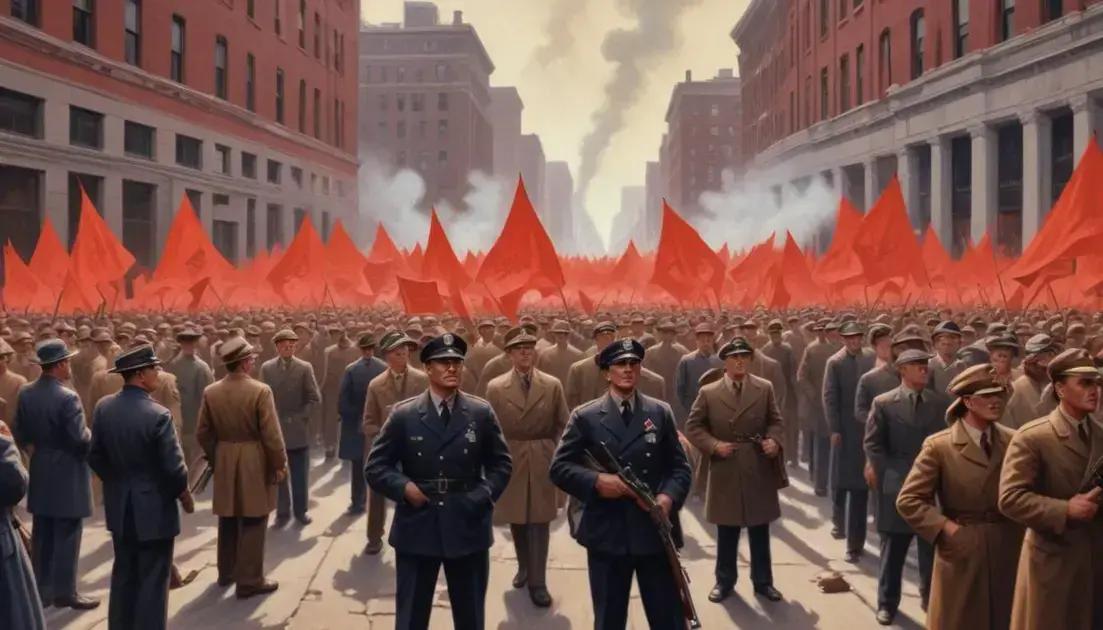
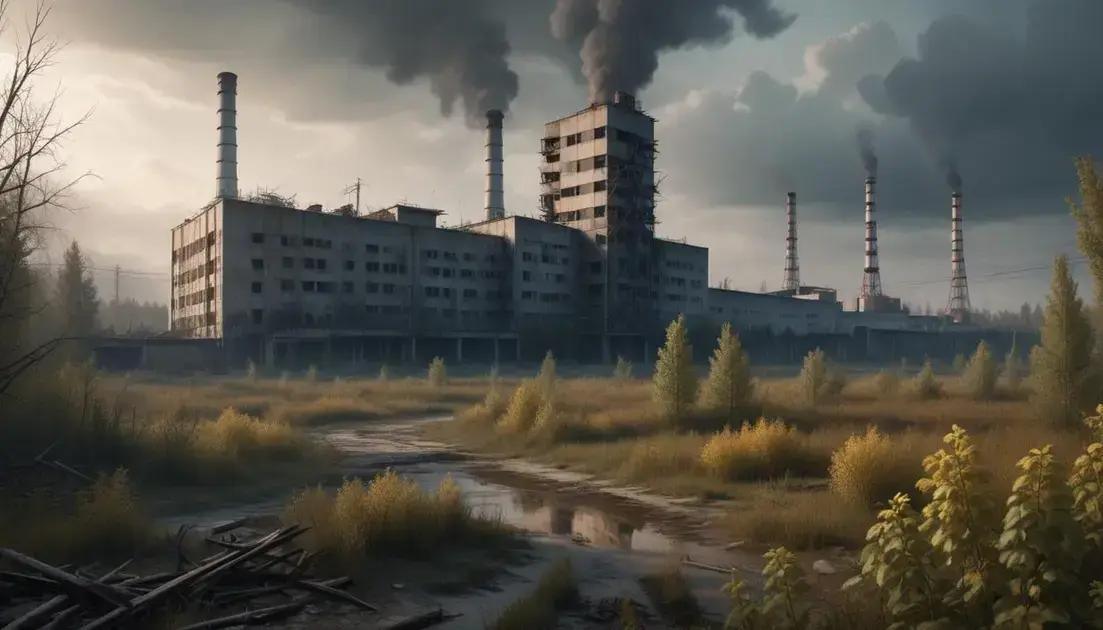
The Cold War had a huge impact on cinema. It shaped how stories were told and what themes were explored. Movies reflected society’s worries and fears about nuclear threats. Filmmakers often used spies and heroes to represent the struggle between power and freedom.
How the Cold War Influenced Themes
During the Cold War, themes of espionage became popular. Films often showed brave spies working to save the day. This created excitement and drama. Audiences loved the action-packed sequences and unexpected twists.
Iconic Films that Embody Cold War Tensions
Movies like ‘Dr. Strangelove’ and ‘From Russia with Love’ highlight Cold War anxieties. They made people think about politics and the human condition. These films used humor and suspense to explore serious topics, making them even more engaging.
The Role of Technology in Cold War Cinema
Technology played a key role in how stories were told. Innovations in film production allowed for stunning visuals. This captured the imagination of audiences worldwide. Special effects brought thrilling moments to life, keeping viewers on the edge of their seats.
Animation and special effects became essential tools for filmmakers. They could depict thrilling chase scenes and dramatic moments. This helped transport audiences into the world of spies and intrigue, making the experience unforgettable.
James Bond as a cultural icon
James Bond is more than just a spy; he’s a cultural icon. Since his first appearance in films, Bond has shaped how we see spies in movies. His character represents style, sophistication, and adventure.
Bond’s Impact on Fashion
Bond’s wardrobe is famous. He wears sleek suits and iconic accessories. This has influenced fashion trends worldwide. People often try to replicate his polished look.
The Allure of the Bond Lifestyle
Bond lives a life many dream about. He travels to exotic locations, drives fast cars, and enjoys fine dining. This glamorous lifestyle attracts audiences and makes them wish to live like him.
Bond Films and Popular Culture
The Bond films have a huge influence on popular culture. They feature memorable music, thrilling action scenes, and clever gadgets. Each film adds to his legacy, keeping fans excited for more.
Villains in Bond movies also play a key role. They challenge Bond and showcase his heroic traits. This dynamic keeps stories interesting and reflects real-life conflicts.
Political themes in spy movies
Political themes shape many spy movies. These films often explore complex issues like power, betrayal, and loyalty. They reflect real-world tensions and conflicts, making them more engaging.
The World of Espionage
Espionage deals with secret operations and intelligence gathering. Movies portray spies as heroes or anti-heroes navigating dangerous waters. This adds thrill and excitement to the story.
Cold War Influence
The Cold War deeply influenced spy films. Many movies depicted the struggle between East and West. Characters often faced moral dilemmas tied to loyalty and patriotism.
Modern Political Issues
Today, spy movies address modern political issues. Terrorism, cybersecurity, and international relations are common themes. They challenge viewers to think critically about current events.
Filmmakers use political themes to spark conversations. These topics invite audiences to reflect on their own beliefs and values. This makes spy movies not just entertaining but thought-provoking.
The aesthetics of fear and intrigue
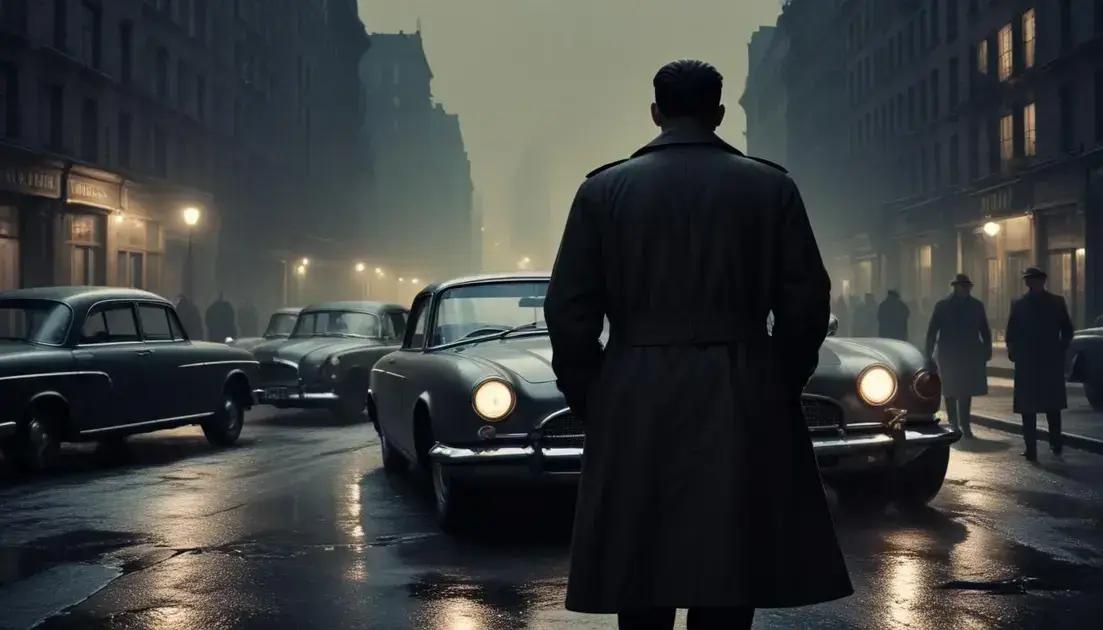
The aesthetics of fear and intrigue play a big role in spy movies. These films create an atmosphere that keeps audiences on the edge of their seats. Directors use lighting, music, and camera angles to build tension.
The Role of Lighting
Lighting sets the mood in any film. In spy movies, shadows and dim lights create a sense of mystery. They hide details and make everything feel uncertain.
Music and Sound Design
Music adds to the feeling of fear. Compelling soundtracks and sudden noises keep viewers alert. The right score can make a simple scene feel thrilling.
Camera Techniques
Camera angles and movements also create intrigue. Close-ups on characters’ faces show their emotions. Quick cuts build a fast-paced, exciting feeling. This can make the audience feel just as anxious as the characters.
These aesthetic choices draw people into the story. They make viewers feel the suspense and excitement of each twist and turn. Without these elements, spy movies wouldn’t be nearly as engaging.
Conclusion
In conclusion, the aesthetics of fear and intrigue significantly enhance the impact of spy movies. By using lighting, music, and camera techniques, filmmakers create a sense of suspense that captivates audiences. These elements draw viewers into the story, making them feel the tension and excitement of each moment.
Without these artistic choices, spy films would lose their thrilling charm. The combination of suspenseful visuals and engaging sound design creates a unique experience that keeps audiences coming back for more. Ultimately, it’s this blend of art and storytelling that makes spy cinema so compelling and unforgettable.