Testing the bomb: the U.S. experiments that shook the earth
Nuclear testing has significantly impacted both our environment and public perception. While scientific advancements have arisen from these tests, they have also led to fears regarding nuclear weapons and their effects on health and ecosystems. As countries work towards disarmament and international treaties like the Comprehensive Nuclear-Test-Ban Treaty, public opinion shapes policies and promotes awareness. Education about nuclear energy’s risks and benefits is essential in addressing these concerns and ensuring a safer future.
Nuclear Testing has always been a controversial topic. What happens when science goes hand-in-hand with devastation? Let’s dive into the experiments that literally shook the earth!
The History of Nuclear Testing
Nuclear testing has a fascinating yet troubled history. It began in the mid-20th century when the United States and other countries sought to understand the power of atomic energy. Many tests were conducted in remote areas, often to assess the bomb’s effects on the environment and military strategies.
Early Tests
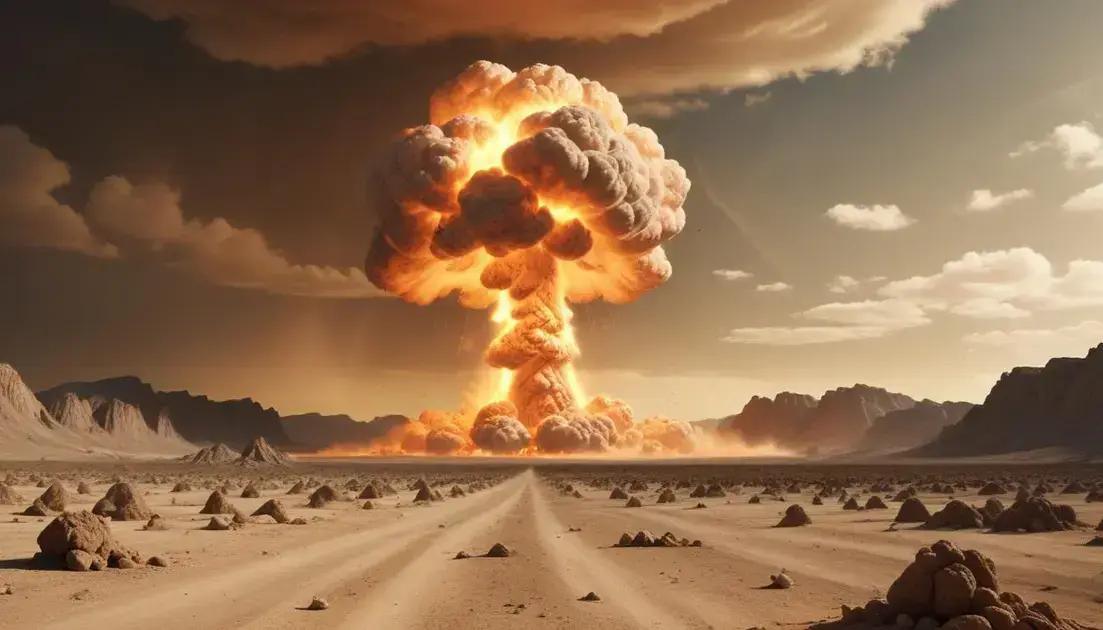
The first nuclear bomb was tested in July 1945, in New Mexico. Known as the Trinity Test, it marked the start of a new era. After World War II, a race to develop more powerful nuclear weapons surged. Countries were eager to showcase their strength.
Testing Locations
Various locations were chosen for tests, including the Pacific Islands and deserts in the U.S. These areas were selected to minimize risk to human life and property. However, testing had serious consequences for the environment and local populations.
The Cold War Era
During the Cold War, nuclear testing increased sharply. The U.S. and the Soviet Union conducted numerous tests, leading to widespread fallout. These tests were not just about power; they were also strategic moves in a tense global chess game.
The Treaty Ban
In 1996, the Comprehensive Nuclear-Test-Ban Treaty aimed to halt all nuclear tests worldwide. While many countries signed, some key nations did not. This treaty highlights the ongoing struggle between disarmament and national security.
Today, the legacy of nuclear testing affects international relations, environmental policies, and public health debates. Understanding this history is crucial as we navigate a world still influenced by nuclear power.
The Effects on Environment
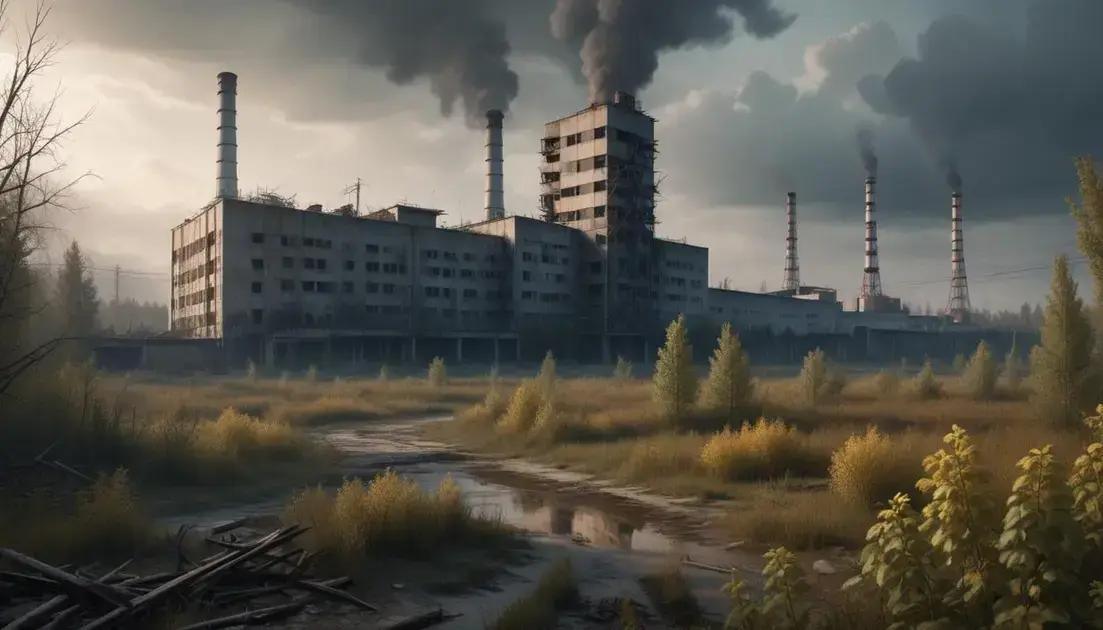
Nuclear testing has had significant effects on the environment. The explosions created huge craters and released harmful radiation. This radiation can linger in the air, soil, and water for years.
Radiation Fallout
When a nuclear bomb detonates, it produces a cloud of radioactive particles. This fallout can spread far from the test site. Animals and plants can absorb these materials, causing long-term damage.
Impact on Ecosystems
Ecosystems near testing zones often suffer. Plants may die, and animal populations can be disrupted. For example, testing in the Pacific Islands harmed local wildlife and disrupted food chains.
Soil and Water Contamination
Soil can become contaminated with radioactive isotopes. These isotopes can enter the food supply. Drinking water sources may also become unsafe, posing health risks to local communities.
Long-Term Consequences
The effects of nuclear testing aren’t just immediate. Many areas remain off-limits due to contamination. Numerous health issues, like cancer, have been linked to radiation exposure.
A better understanding of these environmental impacts can help guide future policies. It’s essential to learn from the past to protect our planet for future generations.
Scientific Discoveries from Testing
Nuclear testing led to several important scientific discoveries. While the tests were often destructive, scientists learned much about atomic energy and its effects.
Understanding Nuclear Reactions
Testing helped researchers grasp how nuclear reactions work. They learned how atoms split to release energy. This knowledge is vital for powering reactors and developing medical treatments.
Radiation Effects
Scientists studied the impacts of radiation on living organisms. Understanding these effects has been crucial for medicine and health safety. Research on radiation also helped improve cancer treatments.
Environmental Monitoring
Tests prompted advancements in environmental science. Scientists developed ways to monitor and measure radiation levels. This monitoring is now essential for ensuring public safety and protecting ecosystems.
International Relations and Diplomacy
Nuclear testing influenced international relations. Countries became more aware of the need for treaties and arms control. These agreements play a key role in global peace efforts today.
Although the testing caused great harm, it also opened new paths in science. Researchers continue to build on these discoveries to create safer technologies and better treatments for many health issues.
Public Perception of Nuclear Bombs
Nuclear bombs evoke strong feelings among the public. Many people fear their destructive power. This fear has grown since the first atomic bomb was dropped in 1945.
Fear and Distrust
The threat of nuclear war worries many. Movies and news often highlight these dangers. This coverage shapes how people view nuclear weapons.
Calls for Disarmament
Public opinion has led to calls for disarmament. Many advocate for fewer nuclear weapons worldwide. They believe this will make us safer and promote peace.
Education and Awareness
Education plays a key role in shaping opinions. Understanding nuclear science helps people see both risks and benefits. Programs that explain nuclear energy can change how people feel about bombs.
Generational Differences
Younger generations may have different views. Many don’t recall the Cold War. Their concerns may focus more on safety and health than on nuclear conflict.
Overall, the public’s perception of nuclear bombs is complex. It’s affected by history, media, and education. Engaging in conversations about these issues is essential for a better understanding.
Future of Nuclear Testing
The future of nuclear testing is uncertain. Many nations are moving towards disarmament. However, some continue to develop their nuclear capabilities.
International Treaties
International agreements play a vital role in nuclear testing. The Comprehensive Nuclear-Test-Ban Treaty aims to stop all nuclear tests. Many countries support it, hoping to create a safer world.
Emerging Technologies
New technologies are changing how countries approach nuclear energy. Advances in safety and control systems make nuclear reactors safer. These improvements may reduce the push for testing.
Public Sentiment
Public opinion influences government actions. Many want to eliminate nuclear weapons entirely. This pressure can lead to stricter regulations on testing and development.
Geopolitical Tensions
Geopolitical tensions continue to shape nuclear policies. Countries may feel compelled to test to assert dominance. This behavior raises concerns about future conflicts and safety.
Ultimately, the future of nuclear testing depends on cooperation. Building trust among nations is essential. Only then can we hope for a world free of nuclear threats.
Conclusion
In conclusion, understanding the impact of nuclear testing is vital for our future. The history of nuclear tests teaches us important lessons about safety and the environment. It’s clear that while there are scientific discoveries, there are also serious risks to our planet and health.
Public perception continues to shape policies and the future of nuclear weapons. As countries work towards disarmament, we must stay aware of geopolitical tensions. The more we understand these issues, the better equipped we are to advocate for a peaceful future.
Ultimately, we can work together toward a world free of nuclear threats. By promoting education, awareness, and international cooperation, we can ensure that nuclear testing becomes a part of history rather than a part of our future.
Tags: