Teutonic Knights: crusaders of the Baltic
The Teutonic Knights were a medieval military order that greatly influenced the Baltic region through their conquests and efforts to spread Christianity. They built castles, established trade centers, and introduced legal systems, shaping the cultural and political landscape of the area. Their legacy continues to impact modern society, reflected in historical sites and inspired values of chivalry and dedication.
Teutonic Knights were more than just a military order; they played a pivotal role in shaping the Baltic region’s history. Curious about their impact? Let’s dive in!
Introduction to Teutonic Knights
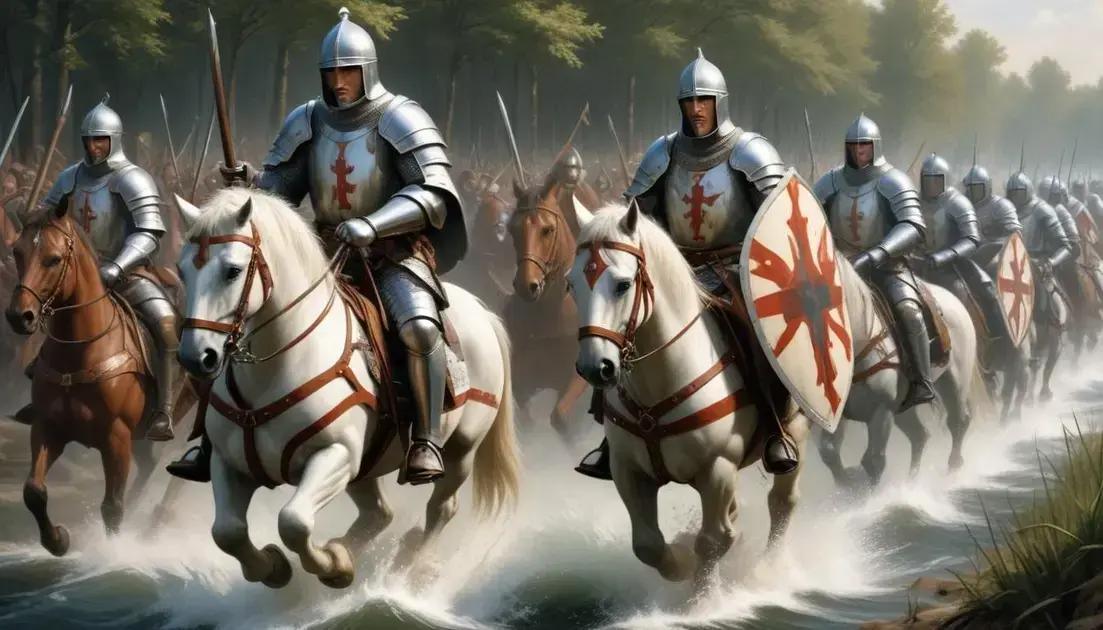
The Teutonic Knights were a group of knights established in the late 12th century. They started as a military order to assist Christians during the Crusades. Over time, they became known for their conquests in the Baltic region.
These knights were unique. They weren’t just soldiers; they built castles and cities. Their influence spread as they claimed land and created laws.
One of their main goals was to convert non-Christians to Christianity. They used both force and diplomacy to achieve this. This mix of tactics helped them establish power in the area.
The Teutonic Knights left a lasting mark on the cultures they encountered. Their history is filled with battles, alliances, and a quest for control. There’s more to learn about their intricate past and how they shaped Europe.
The Role in the Crusades
The Teutonic Knights played a significant role in the Crusades. They began as a support group for Christian pilgrims in the Holy Land. Over time, they transformed into a military force.
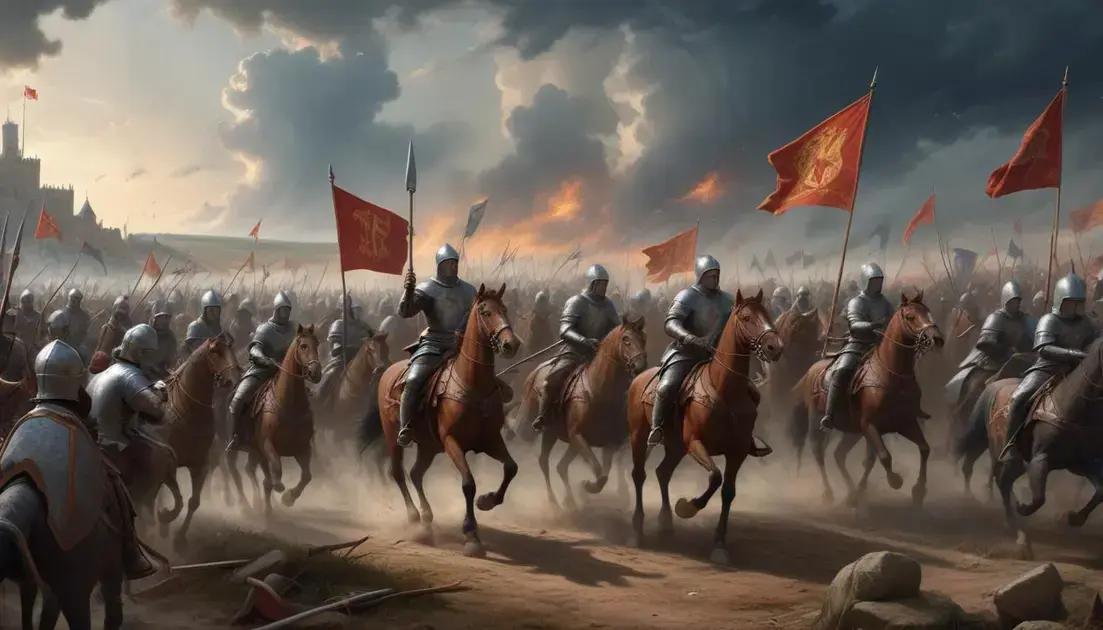
Their main goal was to reclaim and secure holy sites. They fought bravely in many battles during this time. Their skills in battle were respected by both friends and foes.
While in the Holy Land, they learned about warfare and tactics. They became skilled fighters and strategists. This knowledge helped them later in their campaigns in Europe.
After the Crusades, the knights focused on the Baltic region. They aimed to spread Christianity, just like in the Holy Land. They faced tough challenges from local pagan tribes. But their determination often led to victories.
Their role in the Crusades showed their commitment to their faith. They were not just warriors but also builders of communities and churches. This made them important figures in medieval European history.
Impact on the Baltic Region
The Teutonic Knights had a major impact on the Baltic region. When they arrived, the area was home to many different tribal groups. The knights aimed to convert these tribes to Christianity and expand their territory.
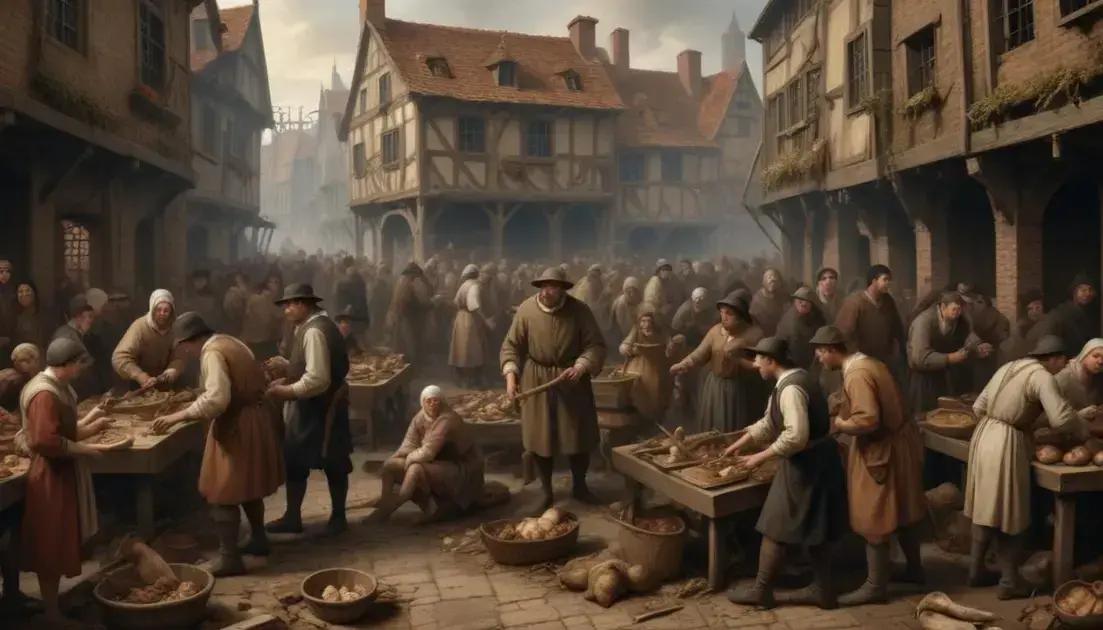
They built impressive castles and cities, which became centers of trade and culture. These structures helped strengthen their control over the land. The Teutonic Order also set up towns that encouraged trade and commerce.
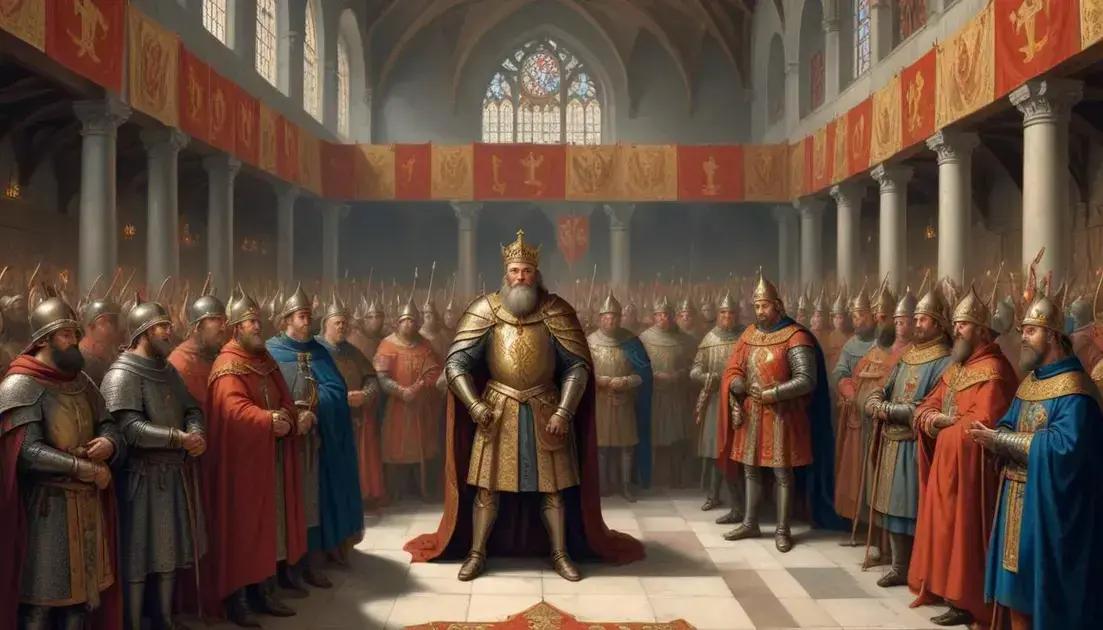
Through their efforts, they introduced new laws and systems. This brought order to a region that was previously chaotic with tribal conflicts. Their presence changed the way people lived and worked.
While they spread Christianity, they also faced resistance. Some tribes fought back against their rule. However, the knights’ military power often led to success in these conflicts.
Over time, the Teutonic Knights contributed significantly to the development of the Baltic economies. Their actions laid the groundwork for lasting changes in politics, culture, and society in the region.
Legacy and Modern Relevance
The Teutonic Knights left a rich legacy that is still felt today. Their influence can be seen in many parts of modern Europe. They played a key role in shaping the Baltic region’s history.
The knights established cities and legal systems that laid foundations for governance. Many historical towns and buildings trace their origins back to the time of the Teutonic Order.
Even today, people study their history to understand medieval warfare and culture. Their stories reflect the struggles and achievements of their time.
Interestingly, the Teutonic Knights also inspire modern organizations. Some groups see them as symbols of chivalry and dedication. They remind us of values like honor, justice, and service.
Tourism in the Baltic area thrives on the history of the Teutonic Knights. Many visit to see castles and historical sites linked to the knights. This interest keeps their memory alive for future generations.
Conclusion
In summary, the legacy of the Teutonic Knights still impacts our world today. Their history shows us how power, faith, and culture shaped Europe. From building cities to spreading Christianity, their actions changed many lives.
Understanding their role in the Baltic region helps us appreciate how history defines our present. The work they did laid the groundwork for modern governance and society. Today, we can see this influence in historical sites, architecture, and even in our cultural values.
By learning about the Teutonic Knights, we gain insights into our past. Their story continues to inspire people and reminds us of the importance of legacy in shaping our world. The lessons from their history encourage us to reflect on our own actions and their long-term effects.