The 3D printer: an American leap into the future
3D printing is revolutionizing industries by allowing rapid prototyping and customized product creation. This innovative technology is being used in healthcare for personalized prosthetics, in aerospace for lighter parts, and in fashion for unique designs. Future trends include the use of new materials, increased printing speeds, automation, and a focus on sustainability, all of which enhance efficiency and reduce waste in manufacturing processes.
3D printing is transforming the way we think about manufacturing and innovation. Curious how this technology is shaping the future? Let’s dive in!
Introduction to 3D printing
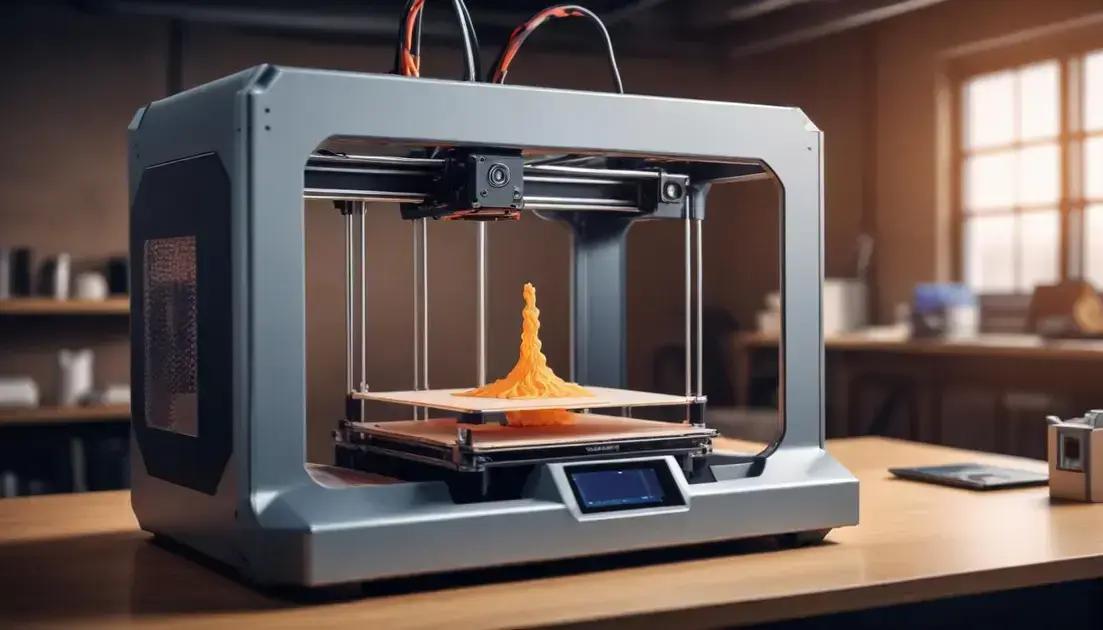
3D printing has changed how we think about making stuff. It’s cool because it builds objects layer by layer, which is different from traditional methods. In simple terms, instead of cutting or molding, it adds material until the shape is ready.
This technology is used in many fields. From toys to medical implants, it’s everywhere! This means we can create designs that were hard or impossible before.
One reason 3D printing is important is the speed. It can make prototypes quickly. Designers can test their ideas without spending a lot of time or money. If something isn’t working, they can fix it fast.
Also, it helps make custom items. Think about a special part that fits just right in a machine. Instead of waiting weeks for that piece, 3D printing can make it in hours.
In addition to speed and customization, 3D printing can be eco-friendly. It often uses less material than traditional methods. That means less waste, which is good for the planet.
This exciting technology is growing. With more innovations, who knows what we’ll be able to make tomorrow?
The evolution of manufacturing technologies
The evolution of manufacturing technologies has been exciting and fast. Over the years, we’ve shifted from manual tools to smart machines. This change has made production faster and more efficient.
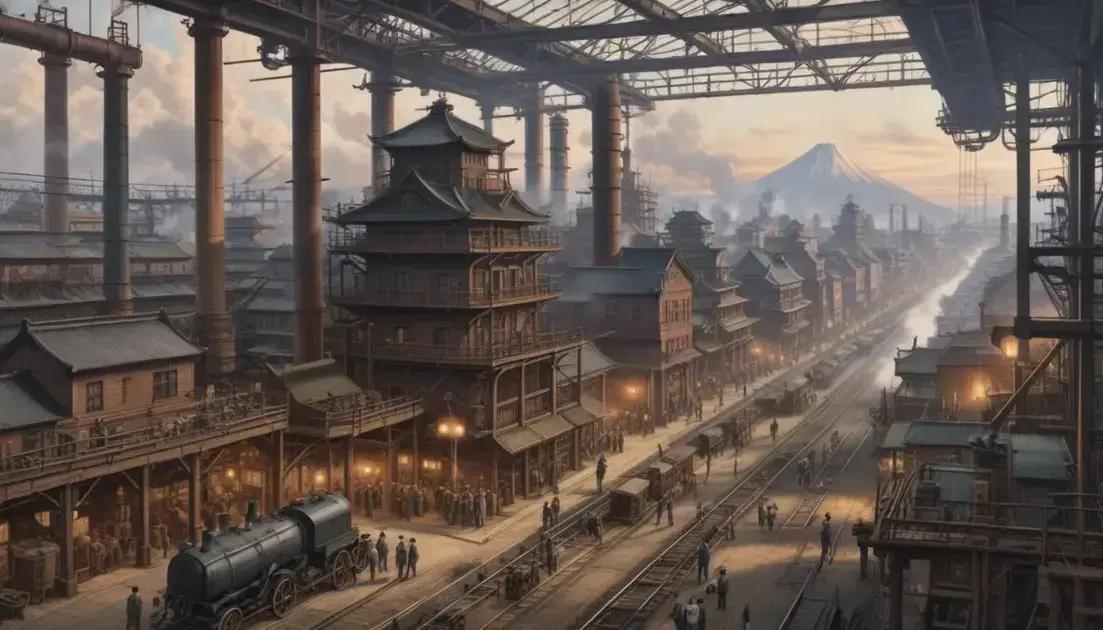
Initially, manufacturing was all about handcrafting items. Artisans would spend long hours making every piece. This was skillful work, but it took time and effort.
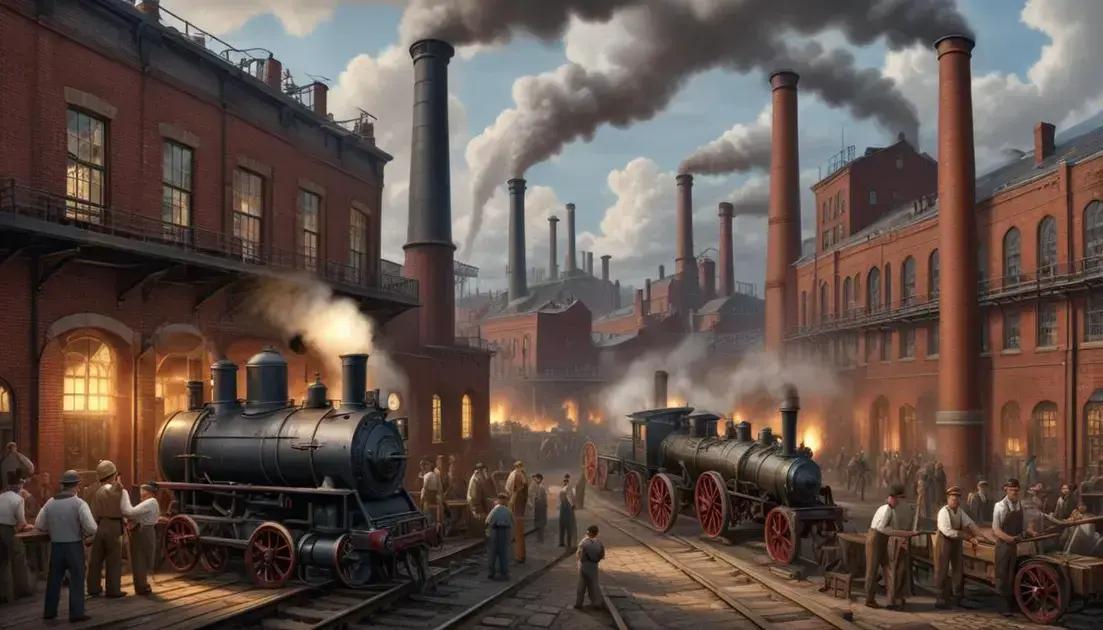
Then came the Industrial Revolution. This period introduced machines that could do the same job quicker. Factories popped up, and mass production started. This change allowed companies to produce more goods at lower prices.
Today, technologies like 3D printing and automation are changing the game again. With 3D printing, companies can create complex shapes quickly. This technique reduces waste and allows for customized products.
Automation uses robots and software to speed up production. These machines take over repetitive tasks, freeing workers for more creative roles. This trend leads to higher quality products and fewer errors.
Looking ahead, technologies like artificial intelligence (AI) and IoT (Internet of Things) will shape manufacturing even more. These tools will provide real-time data and help companies make smarter decisions.
As we embrace new technologies, the future of manufacturing looks bright. Innovations will keep making production easier, faster, and more efficient.
How 3D printing is reshaping industries
3D printing is reshaping industries in amazing ways. With this technology, companies can create products faster and at lower costs. It allows for designs that were simply not possible before.
In the healthcare field, 3D printing is a game-changer. Doctors use it to make custom implants and prosthetics. Each item can be tailored perfectly to fit a patient’s needs. This improves comfort and effectiveness.
In manufacturing, 3D printing speeds up prototyping. Businesses can test new designs quickly, saving time and resources. If a product doesn’t work, it’s easy to make changes and try again.
The automotive industry also benefits from 3D printing. Car makers can create lightweight parts that improve fuel efficiency. This not only saves money but helps the environment too.
Even in fashion, 3D printing is making waves. Designers can create unique clothing and accessories without wasting fabric. This leads to less waste and more personalized products.
In summary, 3D printing is changing how industries operate. It offers flexibility, reduces waste, and allows for customization. As technology evolves, we can expect even more exciting uses.
Case studies: 3D printing in action
There are many exciting case studies showcasing 3D printing in action across different industries. Let’s explore a few examples that highlight its impact.
In healthcare, a hospital recently used 3D printing to create custom prosthetics. Patients benefited from perfectly fitting limbs that improved their quality of life. This approach saved time and reduced costs compared to traditional methods.
In the aerospace industry, one company used 3D printing to make lighter parts for airplanes. These parts help save fuel and reduce emissions. The ability to create complex shapes also leads to safer, more efficient designs.
Another interesting case is in the automotive sector. A car manufacturer utilized 3D printing for rapid prototyping. They could quickly test and adjust new designs, speeding up the development process significantly.
In fashion, designers are using 3D printing to create unique accessories and clothing. This lets them experiment with new styles and materials while reducing waste.
These case studies illustrate how 3D printing opens new doors for innovation. Businesses that embrace this technology can improve their products and stay ahead in their fields.
Future trends in 3D printing
Future trends in 3D printing are very exciting. As technology advances, we can expect many changes. One major trend is the use of new materials.
Currently, most 3D printing uses plastic. But soon, we’ll see printers that can use metal, glass, and even food. This will expand what we can create and how we use the technology.
Another trend is personalization. Customers will want more customized products. With 3D printing, it’s easy to make items that fit individual needs. Imagine a shoe made just for your foot!
We can also expect faster printing speeds. Upcoming printers will likely work a lot quicker. This means businesses can produce more items in less time, saving money.
Automation is another key trend. By combining 3D printing with robotics, factories can become even more efficient. Robots can load materials, monitor the printing process, and handle the finished products.
Finally, sustainable practices will play a big role. As people become more eco-conscious, 3D printing can help reduce waste. It often uses less material compared to traditional methods, making it a greener choice.
In short, the future of 3D printing looks bright with new materials, personalization, speed, automation, and sustainability on the horizon.
Conclusion
In conclusion, 3D printing is shaping the future of manufacturing and various industries. With its ability to create custom products quickly and efficiently, businesses can meet customer needs better than ever. As we move forward, advancements in materials, speed, and automation will make 3D printing even more accessible and sustainable.
By embracing these technologies, companies can innovate, reduce waste, and stay competitive. The possibilities are endless. As industries adopt 3D printing, we’ll witness a remarkable transformation in how products are designed and made, leading to a brighter future for everyone involved.