The abolitionist movement: heroes who ended slavery
The Abolitionist Movement significantly shaped U.S. history by advocating for the end of slavery through various methods. Key figures like Frederick Douglass and Harriet Tubman played crucial roles, using grassroots organizing, impactful writing, and the Underground Railroad to inspire change. Their efforts not only led to the passage of the 13th Amendment but also laid the groundwork for future civil rights movements, emphasizing equality and justice that still resonate today.
The Abolitionist Movement was a pivotal chapter in American history, with heroes like Frederick Douglass and Harriet Tubman leading the way. Curious about how their fight transformed our nation? Let’s dive into their stories!
The Origins of the Abolitionist Movement
The origins of the Abolitionist Movement can be traced back to the late 18th century. People began to realize that slavery was wrong. Many thought it was a moral issue that needed to be addressed.
Religious groups played a big role in starting the movement. They believed all people should be free and equal. Quakers, for example, were one of the first groups to speak out against slavery.
As time passed, more people joined the cause. Some were former slaves who shared their stories. Others were white allies who saw the need for change. Abolitionists held meetings and rallies to spread their message.
Small publications began to pop up, sharing facts about slavery. Writers like William Lloyd Garrison used their voices to rally support. His famous newspaper, ‘The Liberator,’ helped raise awareness.
Through speeches and actions, abolitionists worked hard to change public opinion. They knew they were fighting for justice. Their efforts set the stage for future changes in laws and society.
Key Figures in the Movement
Many key figures in the Abolitionist Movement greatly impacted the fight against slavery. One of the most famous was Frederick Douglass. He was born into slavery but escaped and became a powerful speaker and writer.
Douglass published his own newspaper called ‘The North Star.’ Through his words, he inspired many to join the cause. He believed in the power of education and taught himself to read and write.
Another important figure was Harriet Tubman. After escaping slavery, she helped many others through the Underground Railroad. This was a network of safe houses and routes for escaping slaves. Tubman’s bravery saved countless lives.
Sojourner Truth was also vital in the movement. She was born as a slave and became an outspoken advocate for both abolition and women’s rights. Her famous speech, ‘Ain’t I a Woman?’ challenged the roles of both race and gender.
Other notable figures include William Lloyd Garrison, who published ‘The Liberator,’ and James Forten, a wealthy black abolitionist. Together, they raised awareness and pushed for change during a crucial time in history.
Methods and Strategies
The Abolitionist Movement used various methods and strategies to fight against slavery. These approaches were vital in spreading awareness and gaining support. One important method was grassroots organizing. Groups formed local chapters to connect with communities and share their message.
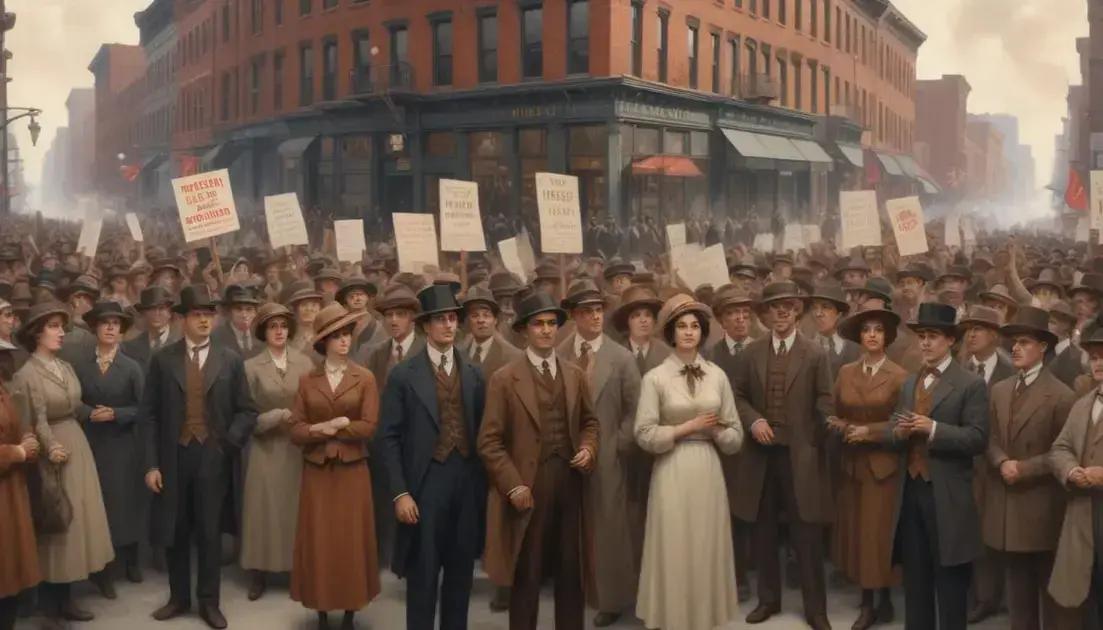
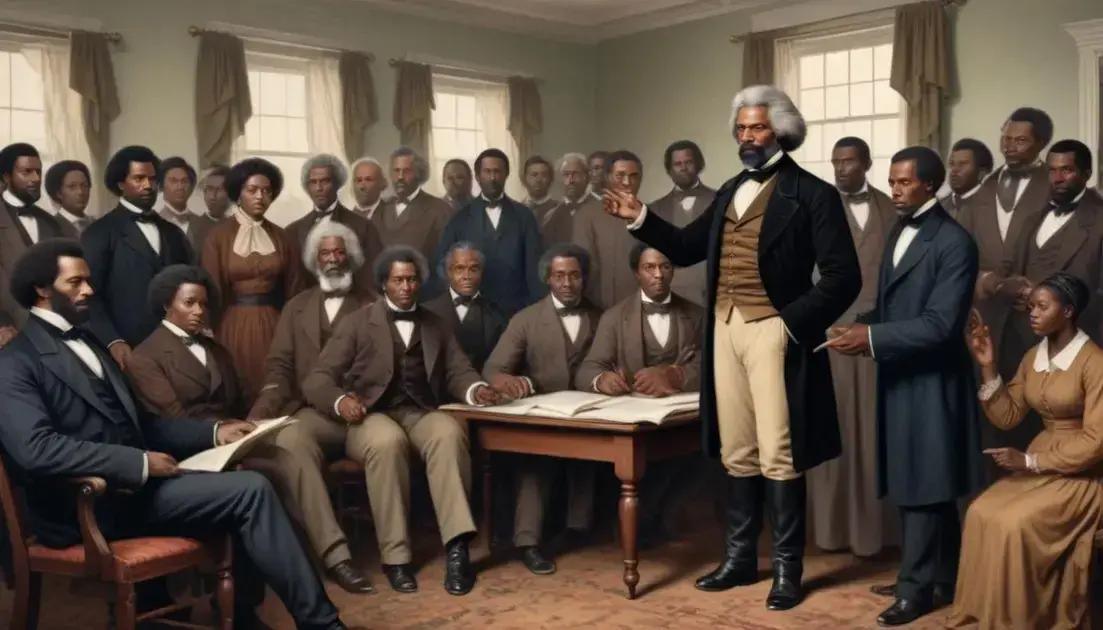
Abolitionists held rallies and speeches to educate people. They wanted to show the horror of slavery. Some of these events were large, drawing hundreds of people. Others were small, intimate gatherings where personal stories were shared.
Writers played a huge role too. They wrote articles, pamphlets, and books. These written works shared facts about slavery and personal accounts of those who suffered. Many abolitionists used their writings to call for action and change.
Another strategy was the use of the Underground Railroad. This was a secret network of safe houses and routes for escaped slaves. Abolitionists, like Harriet Tubman, risked their lives to guide others to freedom.
Some abolitionists also focused on legal action. They worked to change laws and fight for civil rights. This included petitions and lobbying government officials. These efforts aimed to end slavery through legal means, showing that change was possible.
Through these diverse methods, abolitionists made a significant impact. They brought the harsh realities of slavery to light and rallied people to join their cause.
Impact on U.S. History
The impact of the Abolitionist Movement on U.S. history is profound and wide-reaching. Abolitionists helped shift public opinion about slavery. Their efforts made many Americans question the morality of owning slaves.
One major result was the push for the 13th Amendment. This amendment abolished slavery in the United States. It was a monumental change that came from years of hard work by activists.
Abolitionists also paved the way for civil rights. They inspired future generations to fight for equality. Their legacy can be seen in movements for women’s rights and civil rights for African Americans.
Through speeches, writings, and actions, abolitionists highlighted the injustice of slavery. This activism led to greater awareness and ultimately laid the groundwork for social change.
Their work also affected American politics. Political parties formed around anti-slavery beliefs. This created divisions that would eventually lead to the Civil War.
Overall, the Abolitionist Movement was essential in shaping modern America. It played a critical role in forging a nation that values freedom and equality for all.
Legacy and Modern Reflections
The legacy of the Abolitionist Movement is still felt today. It laid the foundation for many social justice movements. This includes struggles for civil rights and gender equality.
Many of the ideas and values from abolitionism are alive in modern activism. Groups continue to fight against injustice and inequality. The principles of freedom and human rights remain vital in today’s society.
Today, we celebrate the heroes of the Abolitionist Movement. Their stories inspire us to take action. They remind us that change is possible with courage and determination.
Awareness of these heroes is also rising in education. Schools often teach about figures like Frederick Douglass and Harriet Tubman. Understanding their impact helps students grasp the importance of fighting for rights.
Moreover, modern discussions about race and equality often trace back to these abolitionist ideals. By reflecting on their struggles, we can better understand our own battles for justice.
The Abolitionist Movement taught us that every voice matters. It encourages individuals to stand up against wrongs in society today. This ongoing legacy serves as a call to action for everyone.
Conclusion
In conclusion, the Abolitionist Movement has had a lasting impact on American history and society. It sparked crucial changes that pushed for freedom and equality. The courage of abolitionists like Frederick Douglass and Harriet Tubman inspires us even today.
Their fight paved the way for future generations to continue advocating for civil rights. By reflecting on their legacy, we can find motivation to stand up against injustice in our own time. Understanding their struggles helps us appreciate the importance of equality for all.
As we honor the sacrifices made by these heroes, let us remember that the fight for justice is not over. Each of us has the power to make a difference. By learning from the past, we can help create a fairer and more just world for everyone.
Tags: