The American Civil War: a nation divided and reborn
The American Civil War was a pivotal event that ended slavery and reshaped the nation. It involved significant battles and key moments, such as the Emancipation Proclamation, which highlighted the moral issues surrounding slavery. The Reconstruction Era that followed aimed to rebuild the South and establish rights for formerly enslaved individuals, although it faced resistance. The war’s legacy continues to influence American society, driving ongoing discussions about civil rights and equality.
The American Civil War was a defining moment in U.S. history, raising questions about freedom and unity that still echo today. Let’s delve into the conflict!
Causes of the Civil War
The Causes of the Civil War are complex and varied. Understanding them helps us grasp why this conflict was so significant. One key cause was slavery. Many Southern states depended on it for their economy, while the North began to see it as morally wrong.
Another factor was states’ rights. Southern states believed they had the right to govern themselves without interference from the federal government. This belief led to tension between the North and the South.
Economic differences also played a role. The North was more industrialized, while the South relied on agriculture. This created conflict over tariffs and trade policies.
Finally, political power struggles fueled the fire. Both sides wanted their views to dominate in Congress. This push for power led to a split that eventually erupted into war.
Understanding these causes is vital. They shaped the very fabric of American society and led to a fight for the nation’s future. The Civil War was more than a battle; it was a struggle over freedom, rights, and what America would become.
Major Battles and Events
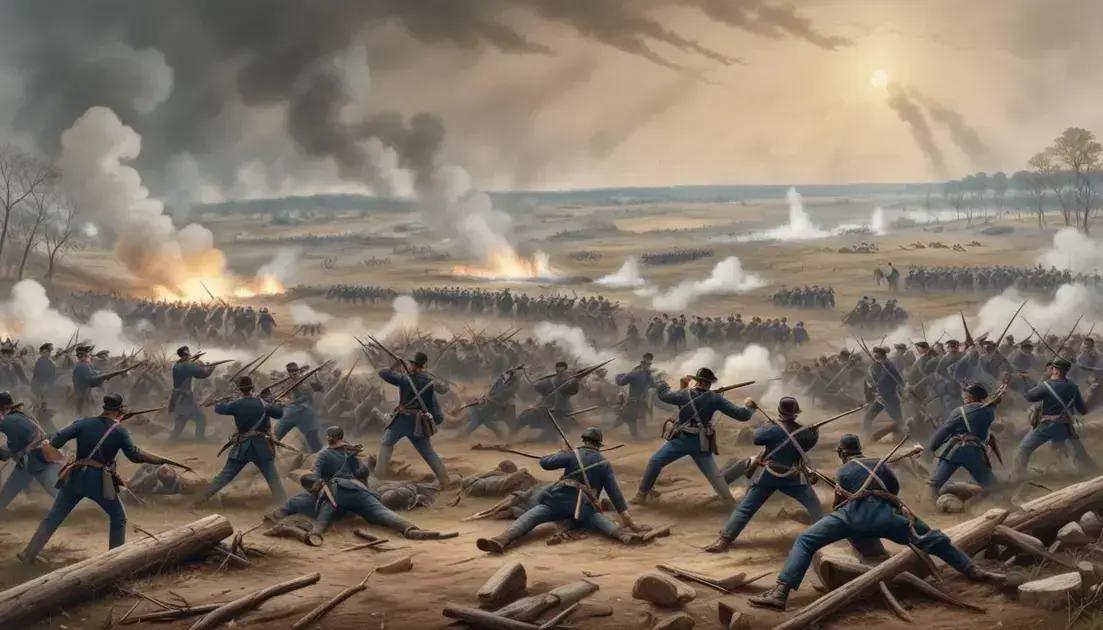
The Major Battles and Events of the Civil War shaped the course of American history. Each battle had a unique story and impact. One of the first significant battles was the Battle of Bull Run. It showed both sides that the war would be long and bloody.
Another key event was the Battle of Gettysburg. This three-day battle became a turning point in the war. The Union victory here halted the Confederate advance into the North.
The Siege of Vicksburg also marked a crucial moment. This Union victory gave them control of the Mississippi River, splitting the Confederacy in two.
Major battles weren’t just military events; they deeply affected people’s lives. Soldiers fought bravely, and many lives were lost on both sides. The struggles of these brave men and women remain a part of our history.
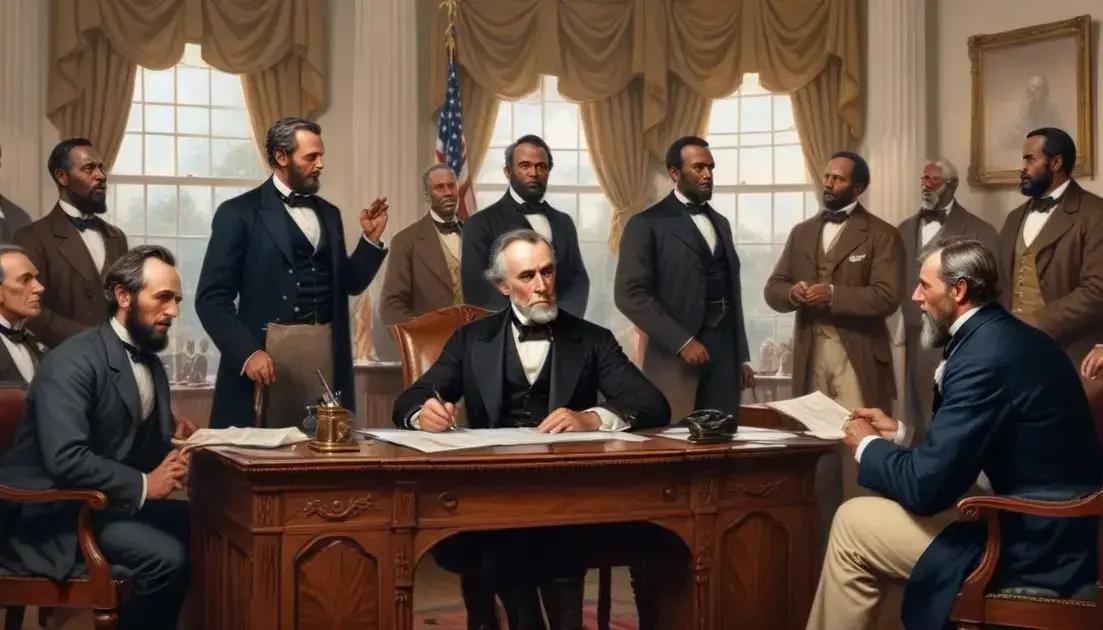
Throughout the war, events like Lincoln’s Emancipation Proclamation also changed the landscape. It freed slaves in the Confederate states and added moral fuel to the Union’s cause.
The Role of Slavery
The Role of Slavery was central to the American Civil War. It created deep divides between the North and the South. In the South, slavery was part of the economy. Many plantation owners relied on enslaved people to grow crops like cotton and tobacco.
In contrast, the North was more industrialized and began to view slavery as wrong. This growing belief led to increasing tension. Abolitionists campaigned actively against slavery, calling for its end.
Slavery wasn’t just an economic issue; it had social and moral implications too. Enslaved people faced harsh conditions and fought for their freedom. Their struggles highlighted the moral crisis facing the nation.
Events like the Underground Railroad also showed the resistance against slavery. This secret network helped many enslaved people escape to freedom in the North.
Ultimately, slavery’s role in the Civil War was pivotal. It was not only a cause of conflict but also a catalyst for change in America. The war would reshape the nation’s views on freedom and equality.
The Reconstruction Era
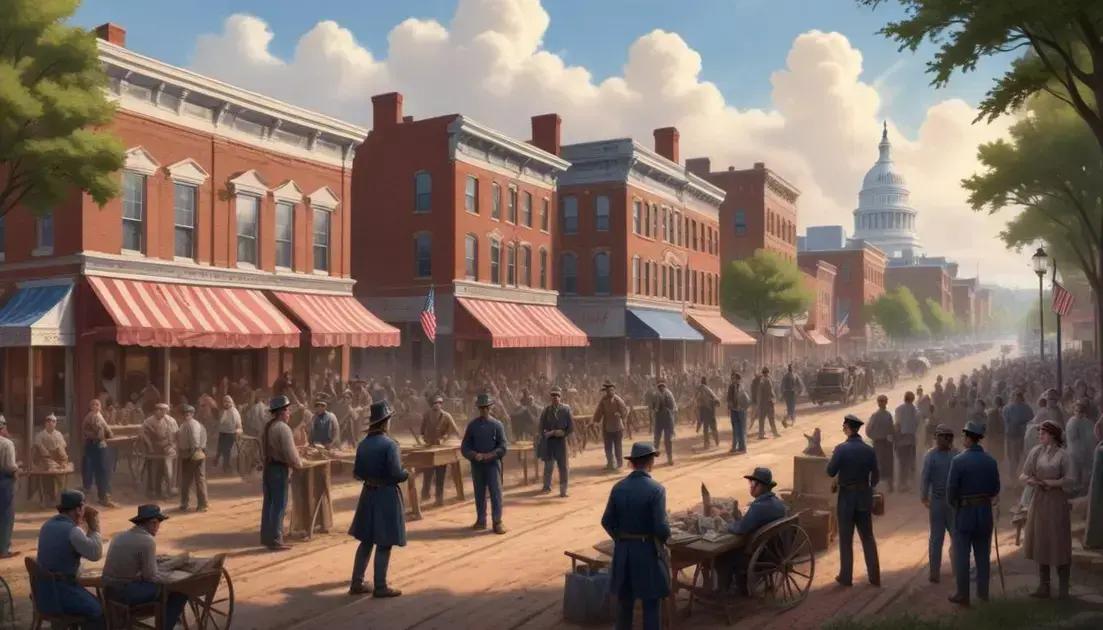
The Reconstruction Era was a time of rebuilding after the Civil War. It lasted from 1865 to 1877. This period aimed to bring the Southern states back into the Union and provide rights to formerly enslaved people.
One major goal was to help rebuild the South’s economy. The war had destroyed many farms and towns. The U.S. government provided aid to help the South recover.
During Reconstruction, new laws were passed to grant civil rights to African Americans. The 13th Amendment abolished slavery, while the 14th and 15th Amendments aimed to protect their rights and give them the right to vote.
However, not everyone supported these changes. Many Southern whites resisted these efforts. Groups like the Ku Klux Klan emerged, using violence and intimidation to maintain racial segregation and control.
Reconstruction ended in 1877 when federal troops withdrew from the South. While there were some successes, the period was also marked by conflict. After it ended, many of the rights granted were rolled back, leading to decades of struggle for African Americans.
Legacy and Impact of the Civil War
The Legacy and Impact of the Civil War can still be felt today. This conflict changed the nation in many ways. First, it ended slavery in the U.S. The 13th Amendment made this official, giving freedom to millions of African Americans.
Secondly, the war changed how people view civil rights. It opened doors for future movements aimed at equality. The struggles and sacrifices made during the Civil War laid the groundwork for the Civil Rights Movement in the 20th century.
The war also affected the economy. It led to industrial growth, especially in the North. The South had to rebuild its economy, moving away from dependence on slavery.
Additionally, the Civil War altered the relationship between states and the federal government. The federal government gained more power, leading to a stronger national identity. This shift affects our governance to this day.
Moreover, the stories and lessons from the Civil War continue to inspire us. They remind us of the importance of unity, freedom, and the ongoing struggle for justice. Understanding this legacy is crucial for future generations.
Conclusion
In conclusion, the American Civil War was a turning point in our history. It ended slavery and changed our views on civil rights. The battles fought and sacrifices made during this time were not in vain.
We see the war’s impact today in the ongoing fight for equality and justice. The lessons learned remind us of the importance of unity and understanding. Every generation must learn from this legacy to build a better future.
By recognizing the struggles and achievements of those who came before us, we can honor their memory and continue the journey toward a fair and equal society. The story of the Civil War is far from over; it lives on in our actions and beliefs.
Tags: