The American engines that opened the path to space
The future of space exploration relies on innovative American engines that enhance rocket propulsion technology. This progress enables missions to the Moon and Mars, showcasing advancements in rocket design, safety, and cost-effectiveness. Collaborations between NASA and private companies, alongside developing sustainable propulsion systems, highlight a commitment to overcoming challenges in space. As we push the boundaries of exploration, these technologies promise to inspire future generations on our quest to understand the universe better.
The journey of Space Exploration has been nothing short of revolutionary, sparking a quest for technology that will take us beyond the stars. Are we ready to dive into the engines that fuel this adventure?
The Role of American Engineering in Space
American engineering has played a crucial role in space exploration. Thanks to innovative designs, we’ve sent astronauts to the Moon and robots to Mars. Engineers have crafted engines that work in the harsh environment of space. These engines are strong, reliable, and help launch spacecraft into orbit.
The Beginnings of American Space Engineering
The journey started in the 1950s with the first satellites. Engineers designed rockets that took these satellites into space. This opened doors for technology that we use every day.
Key Innovations
American engineers have created powerful rocket engines like the F-1, which took Apollo missions to the Moon. These innovations have transformed how we travel beyond our planet. Today’s engines are smarter, using advanced technology to improve efficiency and safety.
The Importance of Collaboration
Collaboration between NASA, private companies, and universities has driven progress. Teams of skilled engineers and scientists come together to solve complex problems. This teamwork has led to new materials and techniques that are changing the space industry.
Future of American Space Engineering
As we look to the future, American engineering will be essential for new missions to the Moon and Mars. We are learning how to build habitats for astronauts and develop rockets that can go farther than ever before. The sky is not the limit—it’s just the beginning!
Key Innovations in Rocket Propulsion
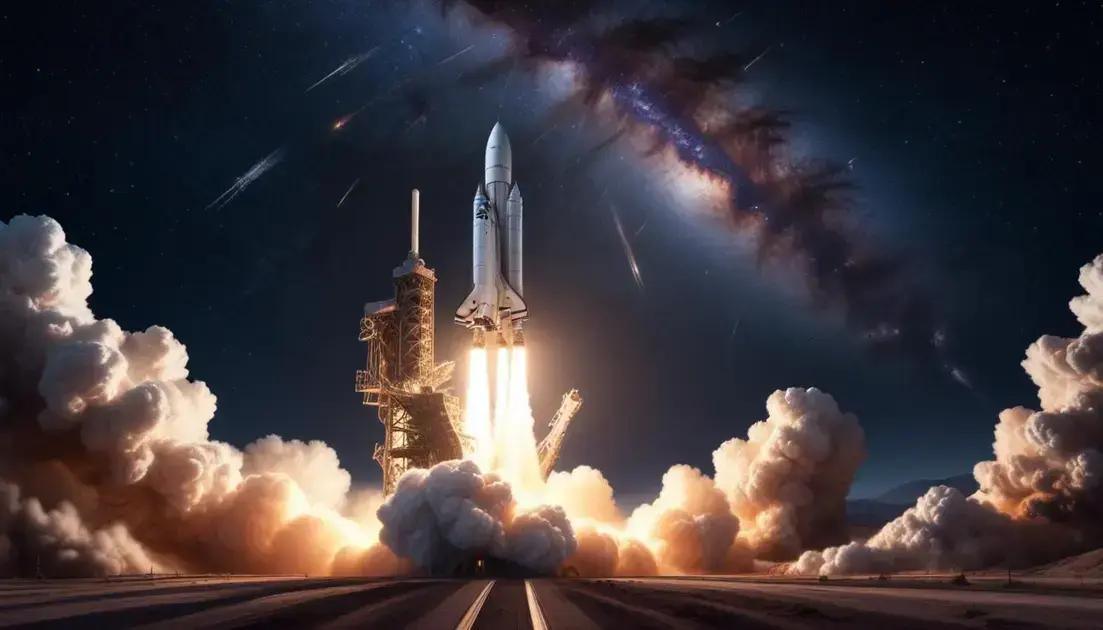
Key innovations in rocket propulsion have changed how we explore space. These advancements make it possible to launch spacecraft faster and farther. Engineers work hard to create more efficient engines that save fuel and increase speed.
Types of Rocket Engines
There are two main types of rocket engines: liquid and solid. Liquid engines use fuel and oxidizer, which mix to create thrust. Solid engines, on the other hand, use a single blend of fuel that burns all at once. Each type has its own advantages and uses.
Reusable Rockets
One of the biggest innovations is the development of reusable rockets. Companies like SpaceX have pioneered this technology. By landing rockets back on Earth, they can be refurbished and used again. This reduces costs and makes space travel more sustainable.
Advanced Materials
Engineers use advanced materials to build lighter and stronger engines. These materials can withstand extreme heat and pressure during launches. This helps protect the rocket and allows it to perform better in space.
Propulsion Systems for Deep Space
New propulsion systems are being developed for deep space missions. Ion thrusters, for example, use electricity to create thrust. They are incredibly efficient and can run for long periods. This makes them ideal for missions to planets far away.
Challenges Overcome by American Space Technology
American space technology has faced many challenges and overcome them with ingenuity. From building rockets that withstand extreme conditions to developing safe landing techniques, engineers have tackled tough problems.
Safety Standards
One major challenge is ensuring astronaut safety. The risks of space travel are high, so rigorous testing is essential. Engineers create systems to keep astronauts safe during launches, flights, and landings.
Cost Efficiency
Launching rockets used to be very expensive. However, American companies have developed cost-effective solutions. Reusable rockets have changed the game. They allow us to save money by flying the same rocket multiple times.
Space Debris Management
Space debris is another serious challenge. Old satellites and rocket parts can collide with active missions. American space technology includes tracking systems to monitor debris and avoid potential collisions.
Innovating Under Pressure
Developing technology under tight deadlines is common in space missions. Engineers often work quickly to solve problems that arise. This pressure has led to innovative solutions that improve technology and processes.
Environmental Considerations
Creating eco-friendly propulsion systems has become a priority. Engineers are now exploring greener fuels and sustainable practices. This helps reduce the impact of space launches on our planet.
The Future of Space Exploration with American Engines
The future of space exploration looks bright with American engines leading the way. These engines will help us reach new destinations beyond Earth. Innovations in design and technology are pushing the limits of what we can achieve in space.
Moon Missions and Beyond
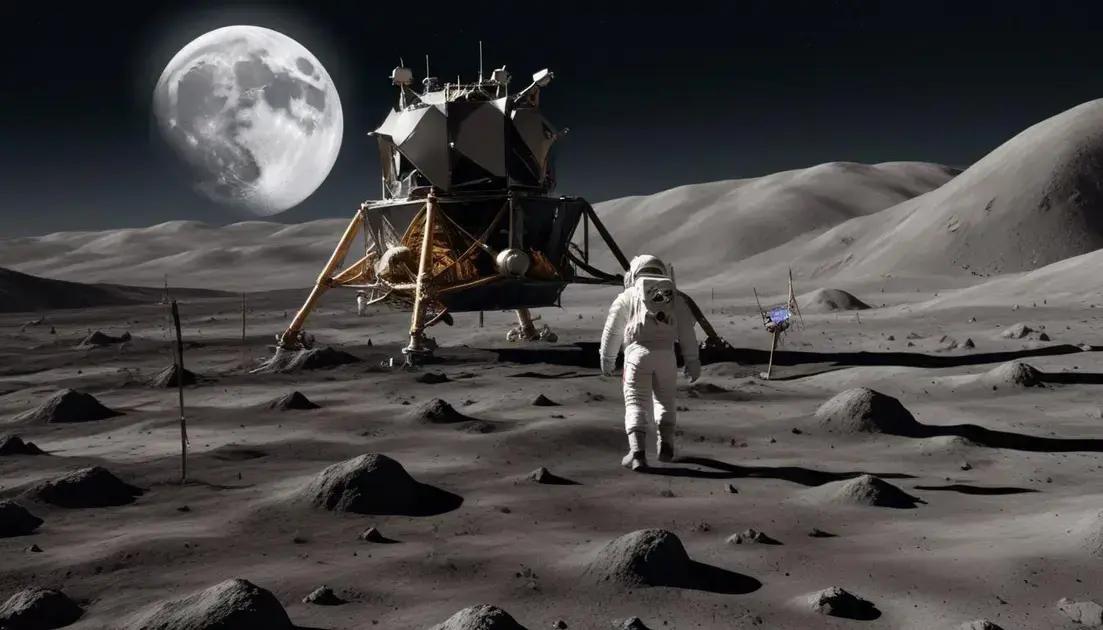
NASA plans to return to the Moon with powerful new rockets. These rockets are designed to carry astronauts and cargo for long missions. They will help set up bases on the Moon for future exploration.
Exploring Mars
Traveling to Mars is another big goal. New American engines are being developed to make this possible. They will help spacecraft reach Mars in less time and with more supplies. This is key for building a human presence on the Red Planet.
Collaboration with Private Companies
Collaboration with private companies is also crucial. Companies like SpaceX and Blue Origin are creating their own engines. This partnership with NASA allows for faster and cheaper missions. It opens doors to even more exploration possibilities.
Advanced Propulsion Technologies
Future engines will use advanced propulsion technologies. These include ion thrusters that are more efficient for deep space travel. By using less fuel, we can travel longer distances without stopping.
International Partnerships
American engines will play a role in international space missions. Collaborating with other countries can unite efforts for big projects. Together, we can explore the Solar System more effectively.
Conclusion
In conclusion, the future of space exploration with American engines looks promising and exciting. Innovations in rocket technology and collaboration with private companies are paving the way for new missions.
The goals of returning to the Moon and sending humans to Mars demonstrate the incredible potential of our engineers and scientists. By overcoming challenges and pushing the boundaries of what’s possible, we are ready to explore further than ever before.
As we move forward, these advancements will not only take us into space but also inspire future generations. The journey of discovery is just beginning, and the sky is not the limit; it’s just the start of our adventure into the universe.